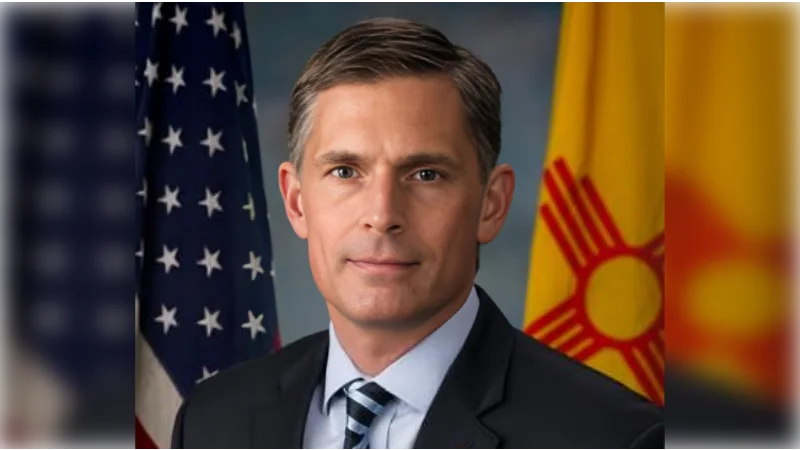
U.S. Senator Martin Heinrich, Ranking Member of the Senate Energy and Natural Resources Committee, delivered remarks on April 16 urging his colleagues to oppose a measure that would allow copper-nickel sulfide mining in the watershed of the Boundary Waters Canoe Area Wilderness (BWCAW). Heinrich said allowing such mining would be devastating for this wilderness area.
The issue is significant because it concerns not only Minnesota but also the nation as a whole, according to Heinrich. He said, “This is an issue of our heritage. It’s an issue of our inheritance. And it’s an issue for Minnesota, but it’s not just an issue for Minnesota. It is an issue for our nation. It's about something bigger.”
Heinrich explained that using the Congressional Review Act to overturn a mineral withdrawal has never been done before and raised concerns about the ownership and international implications of the proposed mine, which belongs to Chilean conglomerate Antofagasta with smelting contracts in China.
During his speech, Heinrich recounted personal stories about his family's visit to the Boundary Waters and described its ecological significance: “It is an absolute tapestry of lakes and streams consisting of well over 1,000 individual lakes; 2,000 designated campsites; hundreds of miles of rivers and streams. The Boundary Waters contain the largest contiguous landscape of uncut forest remaining in the eastern United States.”
Heinrich criticized what he called unprecedented legislative methods being used without public input: “But instead of listening to Minnesotans and Americans from all over the country who care about this place, Republicans today are using an unprecedented blunt-force legislative method that includes zero public comment period to make decisions about our public lands without any input from the people to whom those actually lands belong.”
Citing environmental risks associated with copper sulfide mining near waterways, he warned that studies by federal agencies indicate pollution from sulfuric acid is highly likely if mining proceeds near BWCAW.
In conclusion, Heinrich appealed directly to his colleagues: “The way I look at public lands is that they are the closest, most tangible thing we have to being able to represent true Jeffersonian democracy... And if you take these public lands away, you also tear away the places where we are most free.”