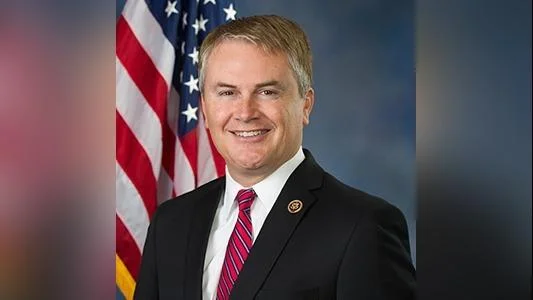
James Comer is Chairman of the House Oversight Committee. | https://oversight.house.gov/chairman-james-comer/
The House Committee on Oversight and Government Reform held a roundtable on April 21 to discuss the increasing use of litigation and regulations affecting American farmers and ranchers. Participants at the event, titled “Farming on Trial: A Roundtable on the Growing Use of Lawfare Against American Agriculture,” shared their experiences with legal disputes, court decisions, and regulatory burdens impacting their livelihoods.
The discussion highlighted concerns that lawsuits and settlements are increasingly shaping farm policy instead of transparent lawmaking. Members also examined how federal overreach, complex regulations, and rising compliance costs are making it more difficult for farmers to operate.
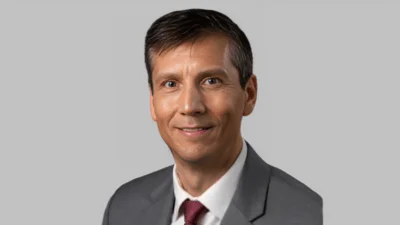
Marty Jackley, Attorney General of South Dakota, said, “One of the biggest concerns I have is a lawyer is the arguments that the United States made and [the] complete disregard for its trust responsibility. And ranchers indicated that trust lands...have no property interest, which is contrary to the law...They’ve used the civil courts to drag out litigation and ultimately disregarded long-established history of private property rights and tribal trust responsibilities.”
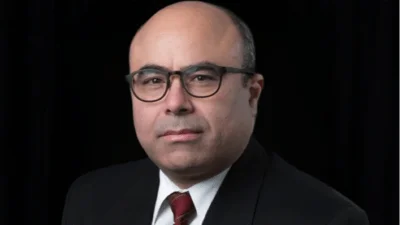
Shad Sullivan, Private Property Rights Committee Chair of R-CALF USA, described eminent domain pressures tied to energy infrastructure projects. “There is a growing wave of eminent domain tied to energy infrastructure...My own family was forced to settle with Xcel for pennies on the dollar just to avoid crushing legal costs,” Sullivan said.
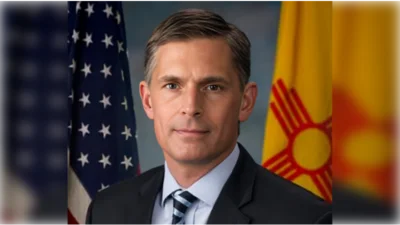
Margaret Byfield, Executive Director of American Stewards of Liberty, recounted her family's experience in Nevada: “We purchased a ranch in central Nevada in 1978...The very first thing that happened to us is the [U.S. Forest Service] filed a claim over every one of our water rights...In 105-day period, we received 40 certified letters and 70 personal visits from the forest service.”
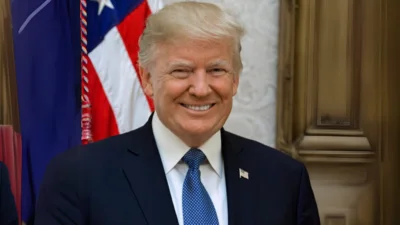
Committee members discussed possible reforms. Chairman James Comer asked about countering excessive use of eminent domain against farmers. Jackley responded by emphasizing protections such as defining uses for eminent domain or ensuring jury trials in certain cases: "There needs to be those protections in place because some abuses were occurring...not every landowner can afford to hire a lawyer or an expert." Rep. G.T. Thompson questioned how Congress could better support producers nationwide; Jackley suggested continued hearings like this one help address government overreach.
Other topics included federal water policy definitions—such as Waters of the United States—and how they impact landowners' control over resources. Byfield stated: "Whoever controls the water is going to control that land." The role played by environmental organizations using litigation strategies was also discussed.
Rep. Eli Crane raised issues with how groups like Center for Biological Diversity use federal laws such as Equal Access to Justice Act (EAJA) for repeated lawsuits against agencies while receiving taxpayer-funded reimbursements for legal fees—a practice Byfield described as helping fund further litigation efforts.
The roundtable concluded with calls from participants for congressional action aimed at reforming agricultural policies so family-owned farms can continue operating successfully.