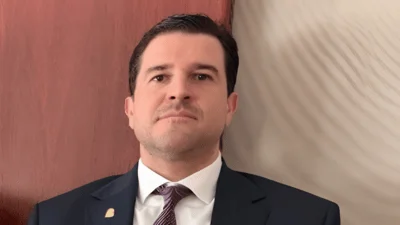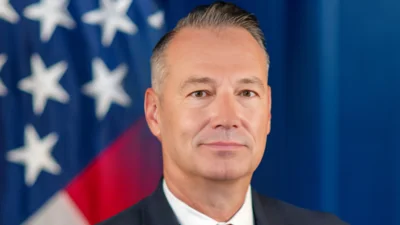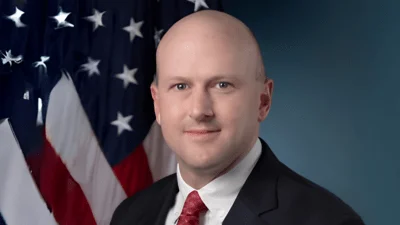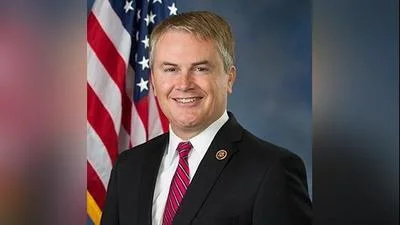
U.S. Senate Democratic Whip Dick Durbin, Ranking Member of the Senate Judiciary Committee, questioned witnesses on Apr. 22 during a committee hearing focused on China's ongoing theft of U.S. innovation.
The topic is significant as it addresses concerns about national security and the protection of American technological advancements, areas that fall under the legislative and oversight duties of the Senate Judiciary Committee, according to the official website.
During the hearing titled “Stealth Stealing: China’s Ongoing Theft of U.S. Innovation,” Durbin asked Helen Toner, Interim Executive Director for the Center for Security and Emerging Technology, about President Trump’s decision to allow sales of American artificial intelligence chips to China. "I would like to ask you about this Nvidia chip sale to China. In the context of American innovation and competition for innovation, how [does] this makes sense? We take sophisticated computer chips and decide that China can buy them, which was the President’s announcement, so long as we get 25 percent on the deal. Are we selling our souls here by giving away this kind of hard-fought innovation?" Durbin said.
Toner responded that controlling access to chips is a key factor in AI competition with China and said she was encouraged by only a small number being sold so far. Professor Mark Cohen from University of Akron Law School added: "It sounds highly problematic to me to sell these chips to China, but it may be more problematic not to sell the chips to China, and I think we really need to understand that much better." Durbin also questioned Toner about government involvement in AI research; Toner replied: "I think it is truly unprecedented the mismatch between how strategically important this technology is and how little involvement government has in developing it… We do not understand how deadly serious they are [private companies] about building machines that will outperform humans at everything… It sounds like science fiction, but it is truly what some of the wealthiest and most powerful companies [are doing]—pouring hundreds of billions of dollars into doing [AI]."
Durbin later discussed national security concerns regarding international students with Tom Lyons from the 2430 Group: "With your background, from a security viewpoint, do you believe we can invite students to come study in the United States in some of these critical areas [R&D] without compromising our national security?" Lyons responded: "I think there is a spectrum of opportunity that we have that goes from increasing the amount of research that is done on individuals coming into the country to an outright ban. I think the outright ban is something a bit off the table for now, and it should be... even during Soviet Era...we were pro-immigration...and I think we should remain that way." Video footage from this session was made available for public viewing.
The Senate Judiciary Committee plays an influential role over constitutional protections and public safety nationwide through its legislative work according to its official website. The committee reviews legislation affecting civil rights while overseeing federal law enforcement agencies according to its official website. Leadership consists of senators from both major political parties led by a chair who manages hearings according to its official website. Based in Washington D.C., its decisions impact federal law across all states according to its official website.
Looking ahead, discussions at such hearings may influence future policies related not only to technology exports but also academic exchanges involving critical research fields.