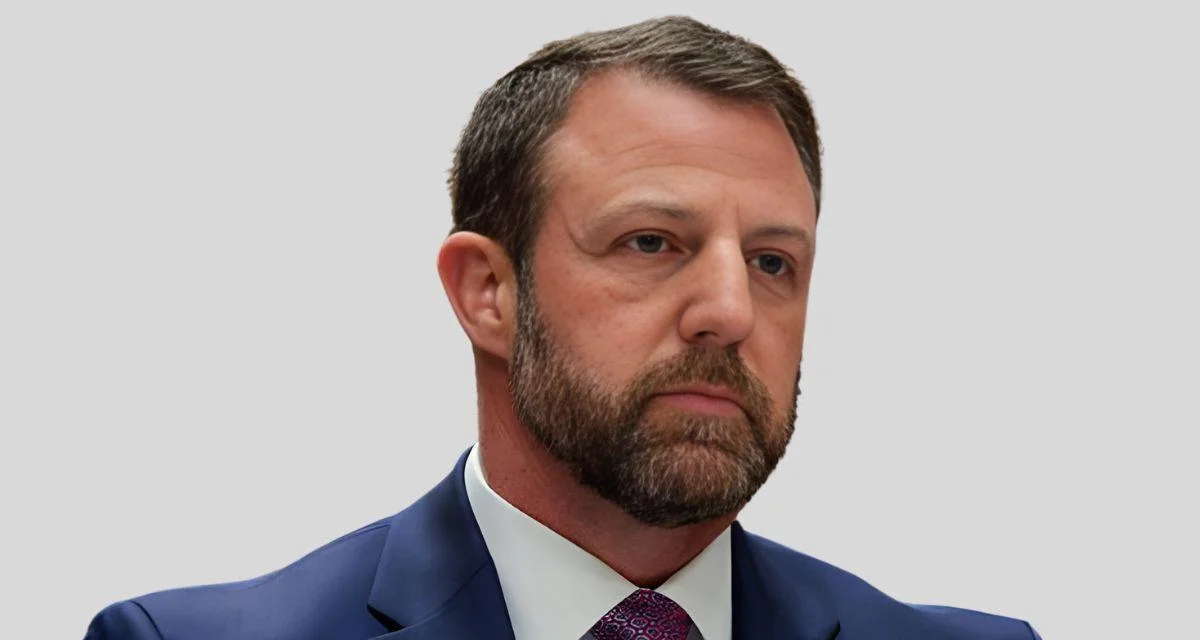
Jamar J. Johnson, a U.S. citizen, pleaded guilty on April 20 to defrauding the United States of more than $1 million through fraudulent Paycheck Protection Program (PPP) loans, according to an announcement by the Department of Homeland Security's Immigration and Customs Enforcement Homeland Security Investigations Phoenix office on April 24.
Johnson submitted false PPP loan applications in 2020 for a company he claimed operated an amateur basketball league. Based on these misrepresentations, the Small Business Administration approved and dispersed four loans totaling over $1 million.
Authorities said Johnson used the funds for personal gain instead of legitimate business expenses, including purchasing cryptocurrency and transferring money to foreign markets in order to conceal illicit proceeds. Officials say his actions deprived legitimate small businesses of access to relief funds during a national crisis and placed additional burdens on taxpayers.
"Jamar J. Johnson exploited a critical pandemic relief program for personal gain, stealing more than $1 million meant to support American small businesses when they needed it most," said Acting Assistant Secretary Lauren Bis. "This guilty plea sends a clear message: those who defraud the American people and attempt to hide their crimes will be identified, investigated, and held accountable. DHS remains committed to protecting taxpayer-funded programs and ensuring justice for those who abuse them."
The PPP was created under the Coronavirus Aid, Relief and Economic Security Act as emergency financial assistance for small businesses affected by COVID-19-related economic hardship. The program was intended for payroll and other eligible business expenses; misuse undermines its integrity.
Homeland Security Investigations continues focusing on financial crimes involving complex transactions such as cryptocurrency purchases or international transfers designed to disguise illegal activity proceeds.