The U.S. Department of the Treasury’s Office of Foreign Assets Control (OFAC) announced on Apr. 24 new sanctions targeting China-based Hengli Petrochemical (Dalian) Refinery Co., Ltd., as well as approximately 40 shipping companies and vessels involved in transporting Iranian petroleum products. The move is part of an ongoing effort to disrupt financial flows supporting Iran’s regime.
Officials say these actions are intended to restrict revenue that enables Tehran’s activities in the Middle East and its nuclear ambitions. According to the Treasury, independent "teapot" refineries in China, including Hengli, have purchased billions of dollars’ worth of Iranian oil, providing a vital source of income for Iran's armed forces.
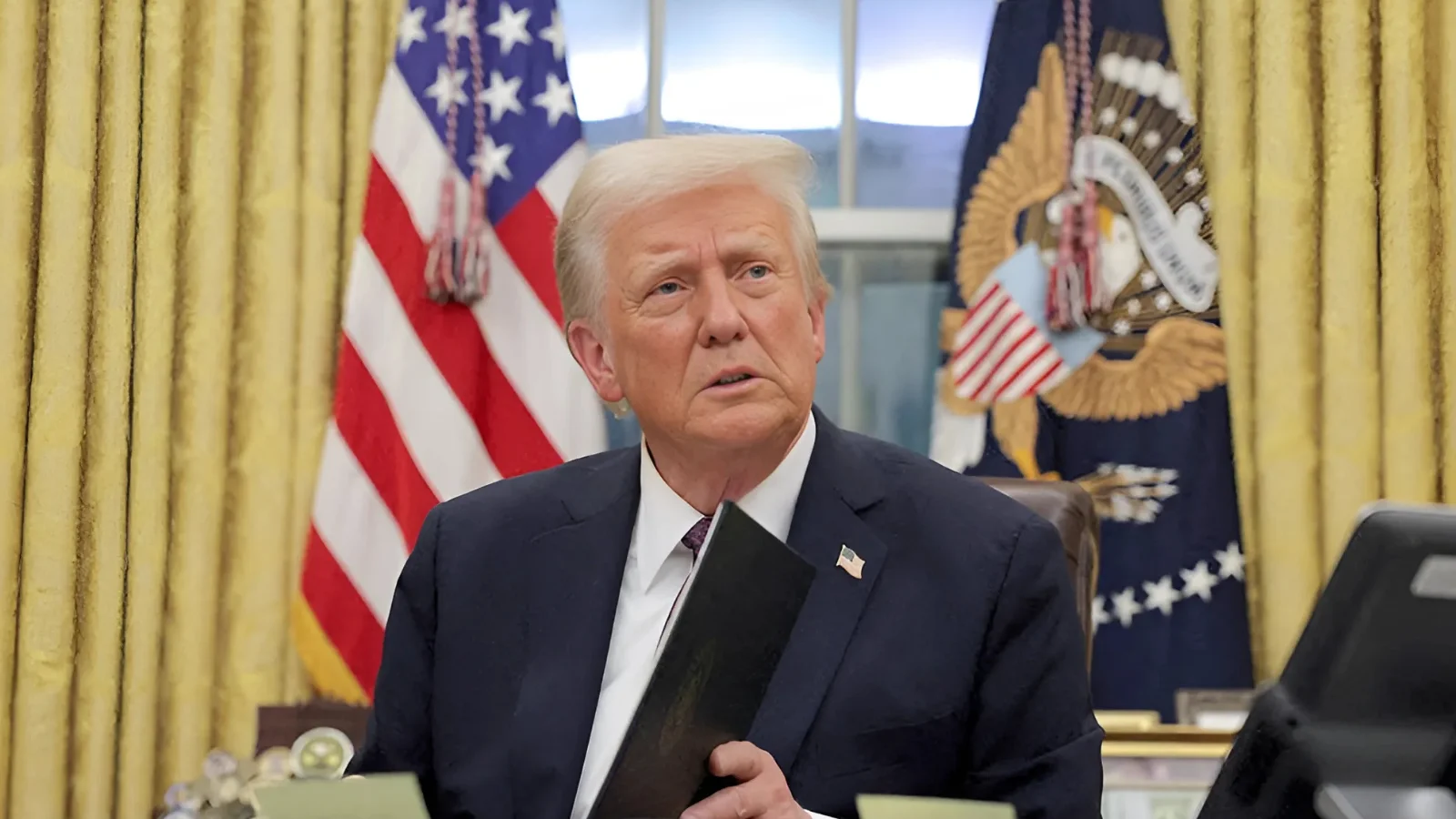
“Economic Fury is imposing a financial stranglehold on the Iranian regime, hampering its aggression in the Middle East, and helping to curtail its nuclear ambitions,” said Secretary of the Treasury Scott Bessent. “At President Trump’s direction, Treasury will continue to constrict the network of vessels, intermediaries, and buyers Iran relies on to move its oil to global markets. Any person or vessel facilitating these flows—through covert trade and finance—risks exposure to U.S. sanctions.”
The action was taken under Executive Order 13902 and aligns with National Security Presidential Memorandum 2, which supports continued economic pressure against Iran’s shadow banking networks. Since February 2025, OFAC has sanctioned more than 1,000 individuals or entities related to Iran.
Among those targeted are several international shipping companies whose vessels have transported millions of barrels of Iranian crude oil and other petroleum products across Asia since at least early 2023. These include ships flagged in Panama, Hong Kong, Vanuatu, Barbados, Comoros Islands, Antigua and Barbuda, Marshall Islands, Cook Islands and others.
Under these sanctions all property belonging to designated persons within U.S jurisdiction is blocked; any transactions involving them by U.S persons are generally prohibited unless authorized by OFAC. Non-U.S persons can also face penalties for causing violations or engaging in conduct that evades U.S sanctions regulations.
According to officials from OFAC: “The ultimate goal of sanctions is not to punish but bring about a positive change in behavior.” The agency notes it may remove entities from sanction lists if they comply with legal requirements.