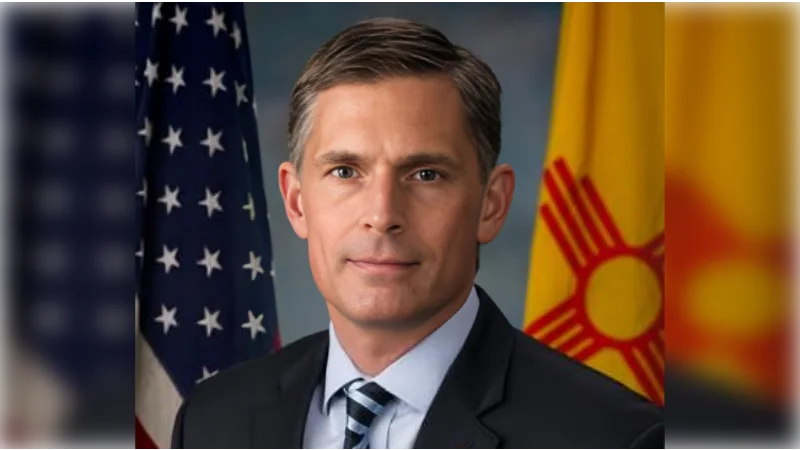
U.S. Senator Martin Heinrich, along with Senators Ben Ray Luján and Representatives Teresa Leger Fernández, Melanie Stansbury, and Gabe Vasquez, called on April 27 for the Bureau of Land Management to stop efforts to reverse a 20-year mineral withdrawal that protects public lands around Chaco Culture National Historical Park from new oil and gas leasing.
The delegation said the issue is important because Chaco Canyon is a sacred site for many Tribes in New Mexico and holds significant cultural value. The lawmakers argued that opening the area to oil and gas development could threaten irreplaceable archaeological sites and undermine tribal traditions.
In their letter, the lawmakers said: “Chaco Canyon is a sacred cultural landscape central to the identity of Tribes throughout New Mexico. The Department has promised an Environmental Assessment (EA) will be completed within 90 days with no guarantee of an open and robust public comment period before the assessment commences. It is outrageous that there is seemingly no plan to open an official public comment period prior to drafting the assessment and that the reversal of the withdrawal rests on only a seven-day scoping period.”
They continued: “Further, it is your responsibility under the law to gather meaningful public input when making decisions about public land... Pueblo communities continue to utilize this landscape for pilgrimages, story sharing, and religious and cultural practices. Opening the 10-mile buffer to oil and gas leasing jeopardizes our ability to preserve the landscape for use by future generations.”
The letter also noted strong opposition among New Mexicans: “The current protections for the Chaco landscape are popular. Recent polling shows that over 70 percent of voters in New Mexico oppose reversing the withdrawal,” they wrote. “Chaco is sacred. We should recognize that there are many other areas for oil and gas development in San Juan County and New Mexico, and it should not occur in a place like this.”
The lawmakers concluded by urging BLM not only to halt revocation efforts but also ensure robust Tribal consultation, broad public engagement, and thorough environmental review if any evaluation moves forward.