Nahjel Malik Williams has been charged with first-degree murder and use of a firearm during a crime of violence for the killing of Dequavious Graves, a U.S. Postal Service letter carrier, according to a May 6 announcement by federal authorities.
The case highlights the dangers faced by public employees and underscores efforts to protect those serving the community. The U.S. Attorney for the Northern District of Georgia serves as the principal federal law enforcement agency in the district and enforces federal criminal laws while collaborating with law enforcement to protect public safety, according to the official website.
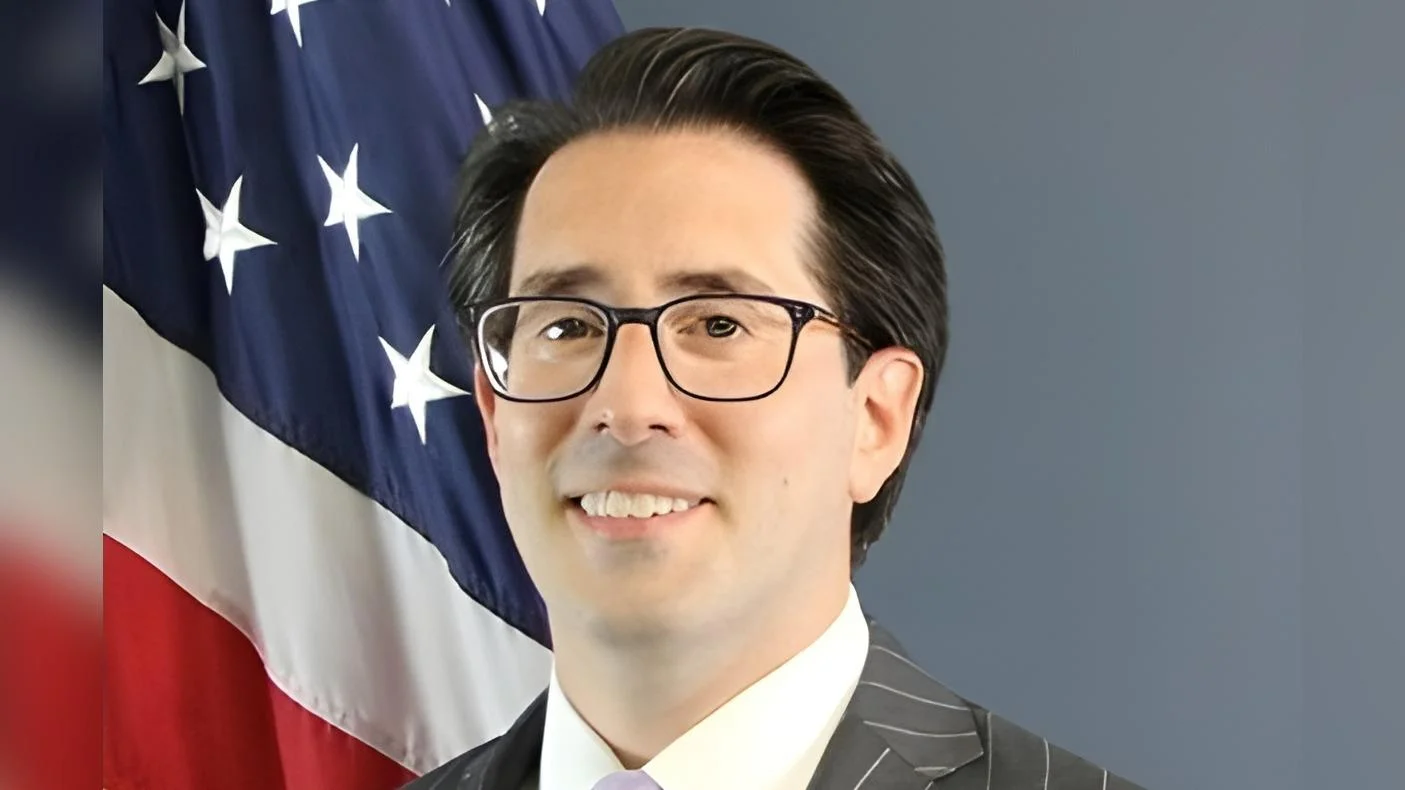
“The murder of Dequavious Graves, a letter carrier dedicated to his public duty, friends, and family, was a senseless crime and a horrible tragedy,” said U.S. Attorney Theodore S. Hertzberg. “Letter carriers play an important role in our community, and anyone who harms them as they perform their work will be brought to justice in federal court.”
Rodney M. Hopkins, Inspector in Charge of the Atlanta Division, said: “A core mission of the U.S. Postal Inspection Service is the protection of our employees, and if anyone causes them harm, they will be pursued and brought to justice for their crimes. The arrest of this defendant is a testament to the dedication of work conducted by Postal Inspectors along with our federal, state, and local law enforcement partners. With these charges we hope to bring forth a sense of justice for Mr. Graves and his family as they continue to move forward in the wake of this senseless tragedy.”
According to information presented by Hertzberg’s office: On February 12 as Graves delivered mail on his route in Decatur, Georgia, Williams allegedly shot him in what authorities describe as premeditated act; at that time Williams was wanted on an unrelated murder warrant from August 2024.
On May 5 a grand jury returned an indictment charging Williams with first-degree murder of a federal employee and discharging a firearm related to that offense—both charges carry potential life imprisonment or death penalty; whether prosecutors seek capital punishment will be determined by the Attorney General.
The investigation involved several agencies including local police departments along with federal entities such as FBI and Bureau of Alcohol Tobacco Firearms & Explosives. According to official sources, members of this office coordinate cases with national dimensions across north Georgia—a region covering about 7.5 million residents—and prioritize prosecution against threats like terrorism or civil rights violations.