Oluwaseun Adekoya, also known by several aliases including “Ace G.” and “Legendary,” was sentenced to 20 years in prison for his role as the leader of a nationwide bank fraud and money laundering operation. The sentencing took place in Albany, New York, following a three-week trial earlier this year where a jury found him guilty of conspiracy to commit bank fraud, conspiracy to commit money laundering, and nine counts of aggravated identity theft.
Evidence presented at trial showed that Adekoya operated from his luxury apartment in New Jersey. He obtained information about individuals’ home equity lines of credit (HELOCs) at various credit unions across the United States. Using encrypted messaging platforms such as Telegram, he collected personal identifying information—including Social Security numbers and account details—of people with significant HELOC balances. He then passed this information to managers he recruited nationwide, who used fake driver’s licenses and other means to impersonate victims and withdraw funds from their accounts.
To avoid detection, Adekoya used burner phones and encrypted applications. He laundered proceeds through accounts under different names and reinvested some funds into continuing the scheme by purchasing travel for co-conspirators, fake IDs, and rental cars.
Adekoya has been a lawful permanent resident since 2004 but is a citizen of Nigeria. At sentencing, U.S. District Judge Mae A. D’Agostino described him as “a perpetual thief” and “flagrant serial offender” who had orchestrated sophisticated identity-theft schemes since 2008.
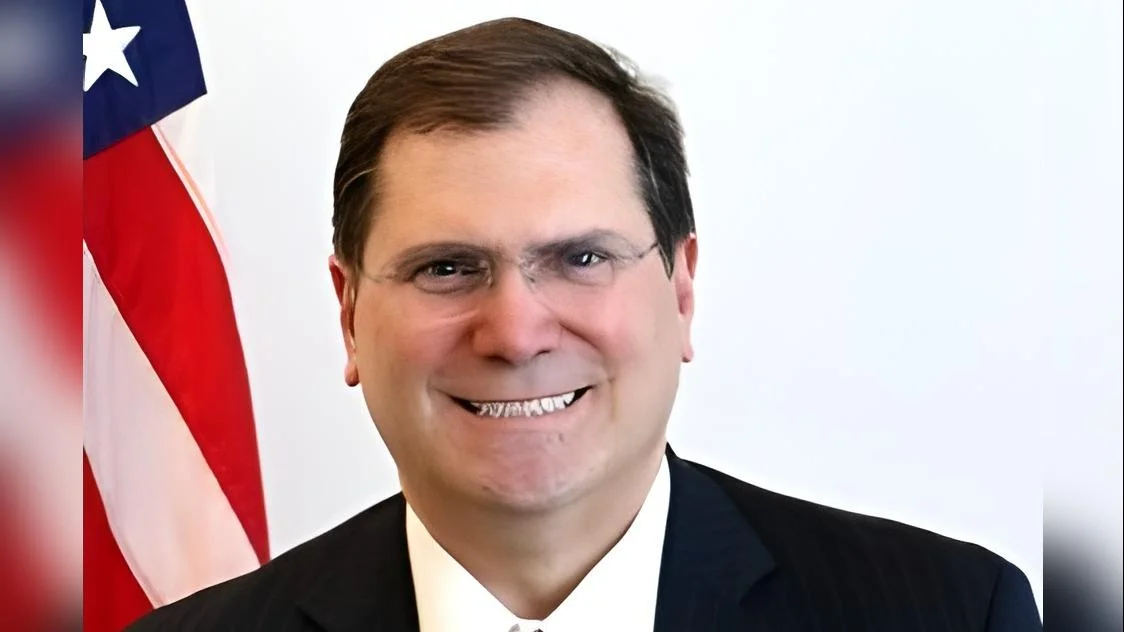
“For nearly two decades, Oluwaseun Adekoya abused the privilege of lawful permanent resident status to steal the identities of innocent Americans so he could live lavishly in our country, without an ounce of remorse,” said Acting U.S. Attorney John A. Sarcone III. “Now he gets to spend two decades in prison, and he deserves every last day of his sentence. I look forward to his subsequent removal from the United States.”
Special Agent in Charge Craig L. Tremaroli added: “Mr. Adekoya spent almost two decades of his life creating a massive criminal network that stole from hard-working Americans. This sentence ensures he’ll spend the next two decades of his life in federal prison. The FBI is grateful to the numerous law enforcement and banking institution partners who provided the assistance needed to take down Mr. Adekoya and his associates and ensure justice for the victims.”
The investigation began when Broadview Federal Credit Union detected suspicious transactions at branches in Albany’s Capital Region in May 2022 and referred them to FBI-Albany. This led authorities to uncover Adekoya’s central role in coordinating these crimes across multiple states with help from at least 13 co-conspirators—all of whom pleaded guilty before trial.
When arrested on December 12, 2023, agents seized several burner phones used by Adekoya along with luxury items such as Rolex watches, a $51,000 Tiffany engagement ring, designer handbags and shoes, plus about $26,000 held for laundering purposes; all have been forfeited by authorities.
In addition to prison time, Adekoya must serve five years’ supervised release after incarceration and pay over $2.2 million restitution plus a special assessment fee; upon completion of his sentence he will be subject to removal from the United States.
Co-defendants received sentences ranging from time served up to eleven years’ imprisonment based on their involvement levels; one remains pending sentencing next year.
The case was investigated by FBI-Albany with support from multiple federal field offices nationwide as well as local police departments across numerous states including New York State Police; Cohoes PD; Colonie PD; Elmira PD; Corning PD; Plattsburgh PD; Albany County Sheriff’s Office; Rensselaer County Sheriff’s Office; Okaloosa County Sheriff’s Office (Florida); Escambia County Sheriff’s Office (Florida); Pennsylvania State Police among others.
Assistant United States Attorneys Benjamin S. Clark, Mathew M. Paulbeck, and Joshua R. Rosenthal prosecuted this case.