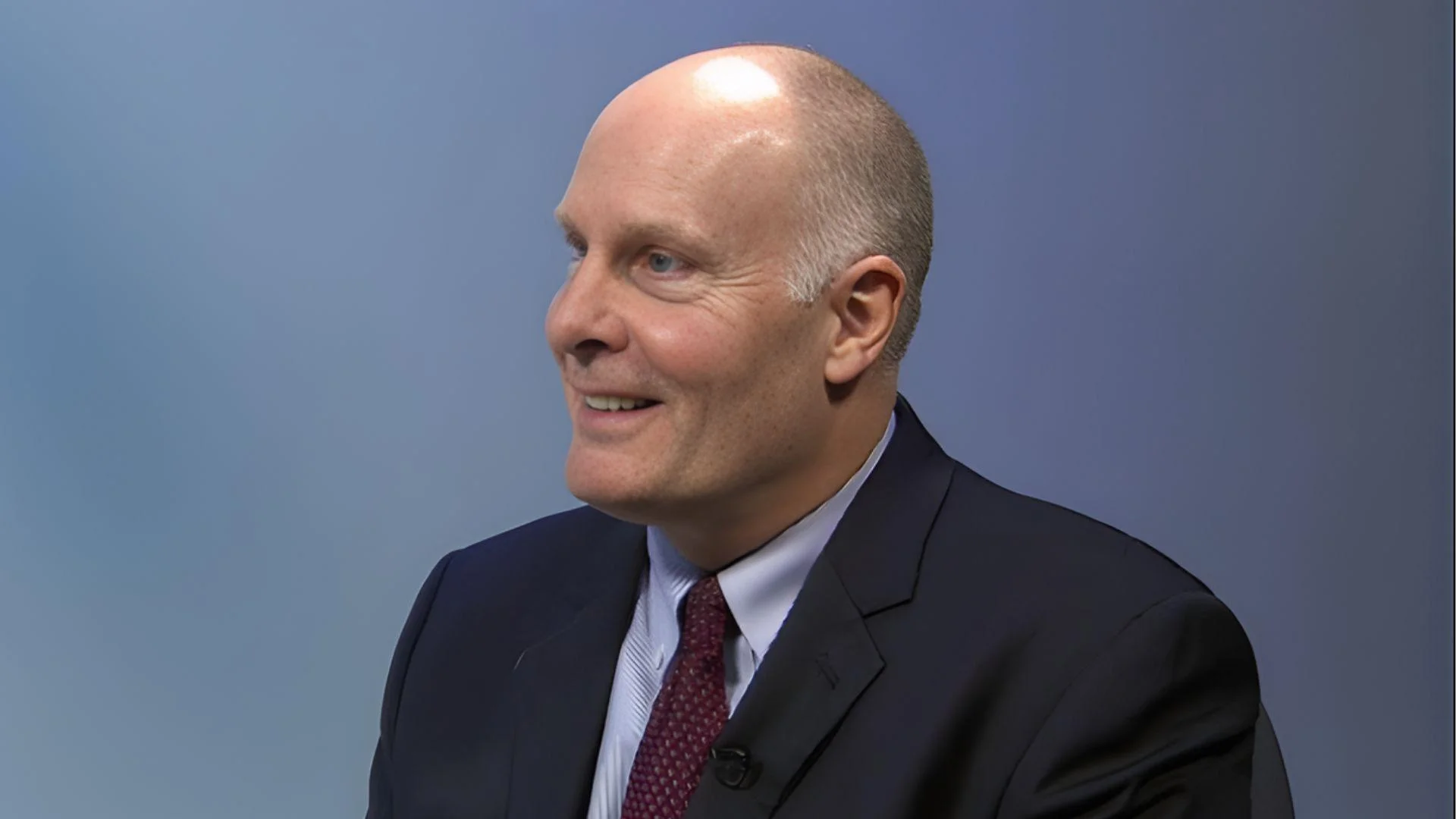
John Moolenaar, chairman of the House Select Committee on the Chinese Communist Party, said a new bipartisan bill would give the Federal Acquisition Security Council more power to detect and remove foreign-made hardware from government systems, aiming to protect U.S. supply chains and industries like Michigan’s automotive sector.
"We cannot allow Chinese companies to have access to the federal procurement process, so we are taking action to prevent that," said John Robert Moolenaar. "We need secure, dependable supply chains that are protected from exploitation by foreign adversaries, and that applies to government just as much as American industry. This legislation will strengthen our country, and it has strong bipartisan support."
The House Oversight and Government Reform Committee has approved the Federal Acquisition Security Council Improvement Act. Sponsored by Chairman John Moolenaar (R-MI) along with Representatives William Timmons (R-SC) and Suhas Subramanyam (D-VA), this bipartisan legislation enhances the council’s capacity to assess risks and issue removal orders for foreign-made hardware in federal systems. The measure is designed to mitigate vulnerabilities within government IT infrastructure.
According to MLQ.ai, Michigan's Ford Motor Company has licensed technology from Chinese battery maker Contemporary Amperex Technology Co., Limited (CATL) for its Marshall plant to produce lithium iron phosphate batteries for electric vehicles. CATL is classified as a Foreign Entity of Concern under U.S. regulations and appears on the Department of Defense's list of Chinese military companies operating in the United States. Despite this foreign licensing agreement, the facility qualifies for the 45X production tax credit, estimated at $2.3 billion over several years. Local leaders view this as progress in domestic manufacturing but acknowledge it highlights broader dependencies on overseas expertise.
Africa Center reported that China controls over half of global critical minerals production and 87 percent of processing and refining capacities. CATL plays a significant role in this dominance, achieving high recovery rates for materials such as nickel, cobalt, manganese, and lithium in its operations. U.S. initiatives aim to diversify supply chains to address these vulnerabilities. This dominance impacts the U.S. auto industry, which relies heavily on these minerals for electric vehicle batteries.
Moolenaar represents Michigan's Second Congressional District and serves on the House Committee on Appropriations. He holds a bachelor's degree in chemistry from Hope College and a master's degree in public administration from Harvard University, with previous terms served in both the Michigan House and Senate.