The U.S. Department of the Treasury’s Office of Foreign Assets Control (OFAC) has imposed sanctions on several individuals and entities connected to the Venezuelan organization Tren de Aragua (TdA), which is designated as a Foreign Terrorist Organization (FTO). Among those sanctioned is Venezuelan entertainer Jimena Romina Araya Navarro, also known as “Rosita,” who is accused of providing material support to TdA.
According to the Treasury, Rosita reportedly assisted TdA leader Hector Rusthenford Guerrero Flores (“Niño Guerrero”) in escaping from Tocorón prison in Venezuela in 2012. She is part of a group within the entertainment industry alleged to have laundered money for TdA leaders. The action also targets five additional key affiliates and one entity located in South America.
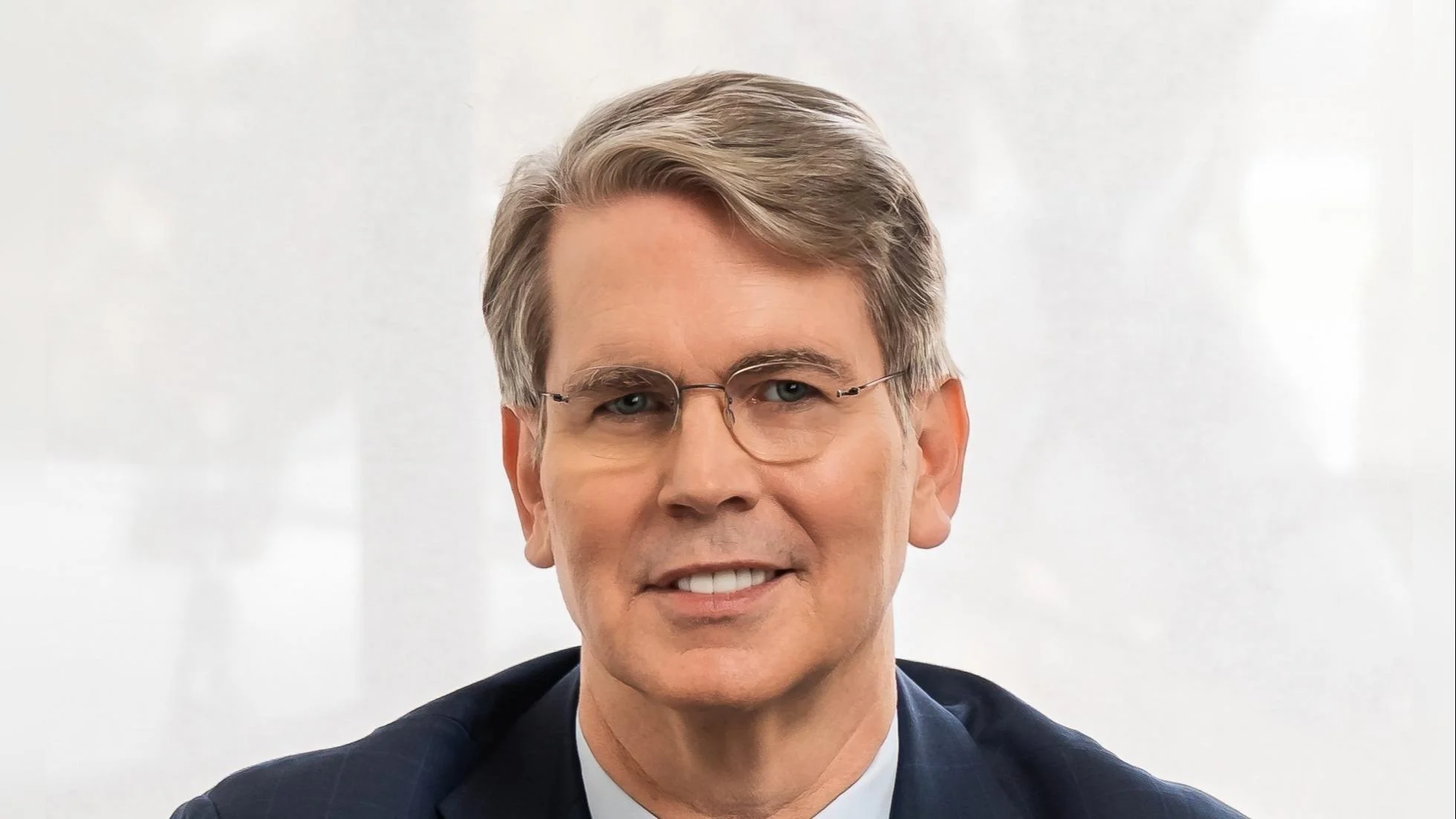
“Under President Trump, barbaric terrorist cartels can no longer operate with impunity across our borders. The Tren de Aragua network’s narcotrafficking and human smuggling operations have long posed a grave threat to our nation,” said Secretary of the Treasury Scott Bessent. “At the direction of President Trump, we will continue to use every tool to cut off these terrorists from the U.S. and global financial system and keep American citizens safe.”
Tren de Aragua originated in Venezuela and has expanded throughout the Western Hemisphere, engaging in criminal activities such as drug trafficking, migrant smuggling, human trafficking, extortion, sexual exploitation, money laundering, and murder-for-hire.
This latest action follows previous steps by U.S. authorities against TdA. In July 2024, Treasury sanctioned TdA as a significant transnational criminal organization. In February 2025, the State Department designated it as an FTO and Specially Designated Global Terrorist (SDGT). Subsequent sanctions targeted senior leaders including Giovanni Vicente Mosquera Serrano and Niño Guerrero.
The State Department has also increased its reward offer under the Transnational Organized Crime Rewards Program to up to $5 million for information leading to Mosquera Serrano’s arrest or conviction.
Today’s designations result from cooperation among U.S. agencies such as the Department of Justice’s Joint Task Force Vulcan, Drug Enforcement Administration, Federal Bureau of Investigation, and international law enforcement partners.
OFAC detailed that Rosita performs as a DJ at nightclubs in Colombia—including Maiquetia VIP Bar Restaurant—and that proceeds from her performances are sent to TdA leadership. The nightclub is owned by her former bodyguard Eryk Manuel Landaeta Hernandez (“Eryk”), who was arrested by Colombian authorities in October 2024 and is described as having managed finances and logistics for TdA operations in Bogota.
Eryk owns both Eryk Producciones SAS—a creative arts company—and Maiquetia VIP Bar Restaurant; both entities are now sanctioned for their roles supporting TdA through event organization and money laundering activities linked to drug sales at parties featuring international artists.
Additionally, OFAC sanctioned Kenffersso Jhosue Sevilla Arteaga (“El Flipper”), who was arrested in Cucuta, Colombia in November 2025. He served as a financial leader for TdA with involvement across several countries through shell businesses facilitating extortion and other crimes. Other individuals sanctioned include Richard Jose Espinal Quintero, Noe Manases Aponte Cordova, Asdrubal Rafael Escobar Cabrera—cell leaders or lieutenants within Venezuela—and Cheison Royer Guerrero Palma, half-brother of Niño Guerrero involved in expanding operations into Chile.
Entities Yakera y Lane SAS (owned by El Flipper) and Global Import Solutions S.A. (linked to Rosita) were also designated due to their connections with these individuals.
As a result of these actions, all property or interests belonging to designated persons within U.S. jurisdiction are blocked; any entity owned 50 percent or more by one or more blocked persons is similarly affected. U.S. persons are generally prohibited from transactions involving these individuals or entities unless authorized by OFAC licenses or exemptions.
Violations may lead to civil or criminal penalties for both U.S. and foreign persons; OFAC can impose civil penalties on a strict liability basis regardless of intent. Financial institutions risk secondary sanctions if they knowingly facilitate significant transactions for designated persons; this could include restrictions on correspondent accounts within the United States.
OFAC emphasized that while it has authority to add names to its Specially Designated Nationals list (SDN List), it also maintains procedures for removal consistent with legal requirements: “The ultimate goal of sanctions is not to punish, but to bring about a positive change in behavior.”
More information about today’s designations can be found on the Treasury website.