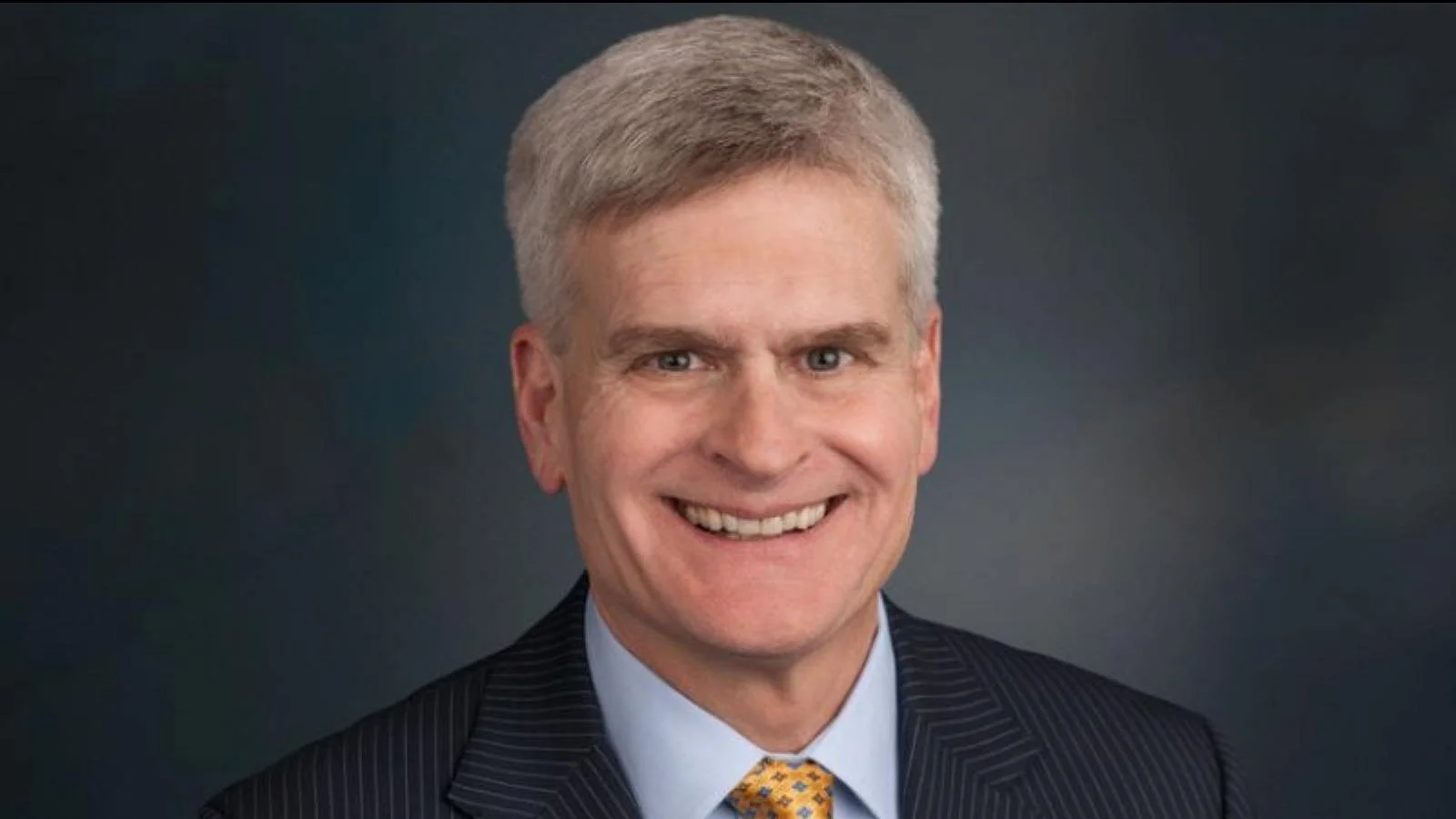
Senator Bill Cassidy, M.D. (R-LA), chair of the Senate Health, Education, Labor, and Pensions (HELP) Committee, addressed rising health care costs during a hearing held by the committee on December 3, 2025. The session focused on the increasing financial burden faced by patients, families, and the federal government.
Cassidy began his remarks by stating: "People cannot afford health care. Prices are up for everyone. The status quo is not sustainable. We have to work together to find solutions."
He highlighted that while the committee previously discussed affordability in the commercial insurance market in July, this hearing aimed to explore why costs are increasing in individual and small business marketplaces. According to Cassidy: "If you’re in these marketplaces, you cannot find affordable care."
Cassidy criticized temporary enhanced Premium Tax Credits (ePTCs) introduced during the COVID pandemic by Democrats. He argued that these credits send funds to large insurance companies and mask rather than reduce actual health care costs: "This doesn’t do anything to lower the actual cost of health care, but masks it—papers over it. It is a Band-Aid on a broken bone."
Providing data from recent years, Cassidy noted: "In 2014, taxpayers covered 68 percent of the Obamacare exchanges enrollees’ premiums." He added that this figure increased to about 80 percent by 2020 and reached 93 percent between 2021 and 2025 during the period of enhanced tax credits. Despite higher subsidies, he said total premiums did not decrease.
He called for addressing root causes of rising costs and outlined two discussions before Congress: long-term strategies for lowering costs and immediate concerns regarding unaffordable health care beginning January 1, 2026.
Cassidy emphasized bipartisan cooperation: "Republicans are not interested in the status quo—putting a band-aid over a broken bone. We are absolutely interested in figuring out a solution that helps makes health care more affordable for American patients in 2026 and beyond." He stated his intention to work with both Democratic and Republican colleagues to develop legislation capable of passing with broad support.
"It shouldn’t be a Republican solution, it shouldn’t be a Democratic solution, it should be an American solution. And this Committee is the place where it starts," he said.
Addressing policy proposals from across the political spectrum, Cassidy warned against focusing on ideas unlikely to gain public or legislative support such as Medicare for All. Instead, he advocated for practical solutions achievable within weeks.
"We’ve got two choices: Nothing... Or we roll up our sleeves and seek out a true middle ground," he remarked. Cassidy suggested redirecting funding from ePTCs toward pre-funded Health Savings Accounts paired with bronze plans so that resources go directly to patients rather than insurers.
He also acknowledged differing views on life issues within Congress but expressed confidence that bipartisan agreements could still be reached as they have been in annual appropriations processes.
"President Trump supports the concept of this third approach," Cassidy said, noting that some Democratic senators had engaged him in discussions about bipartisan solutions.
"Let's give power to the patient, not profit to the insurance company. Let’s make health care affordable again," Cassidy concluded before yielding time to Senator Sanders.