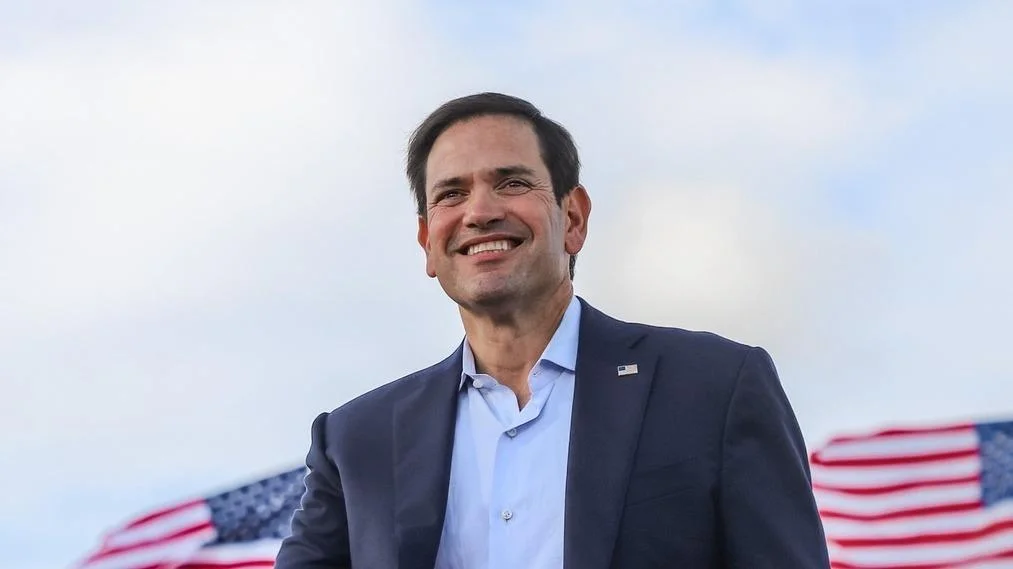
Secretary of State Marco Rubio and Kenyan President William Ruto met to sign a new Health Framework of Cooperation, marking the first agreement under the United States' America First Global Health Strategy. The event took place at the U.S. Department of State.
Secretary Rubio thanked President Ruto for Kenya's partnership in various fields, including counterterrorism efforts and contributions to stabilizing Haiti. He stated, "Kenya’s played an extraordinary role, a really heroic role in trying to help stabilize Haiti – it’s a very difficult situation. They’ve carried a huge burden as a country for the better part of two years now, and had it not been for their engagement – and I just expressed this to President Ruto, the – as bad as Haiti is it would be indescribable what it would look like today were it not for the efforts they have made. Our gratitude for the role they’ve played is extraordinary."
Rubio highlighted that continued support from Kenya has enabled plans to transition to a gang suppression force in Haiti. He called on other countries in the region and globally to contribute resources and personnel: "If we had five or ten countries willing to step forward and do just half of what Kenya’s done already it would be an extraordinary achievement."
Discussing changes in U.S. health assistance abroad, Rubio criticized past models where funding was directed through NGOs rather than directly supporting host countries’ healthcare systems. He explained that under the new strategy, aid will be provided in direct partnership with recipient governments: "We are not going to spend billions of dollars funding the NGO industrial complex while close and important partners like Kenya are – either have no role to play or have very little influence over how health care money is being spent." Over the next five years, $1.6 billion will be invested in health assistance for Kenya, aiming to build sustainable infrastructure and reduce reliance on foreign aid.
President Ruto acknowledged decades of cooperation between Kenya and the United States: "For over a quarter of a century the United States has worked alongside Kenya, investing over $7 billion in well-being, health, and progress for our citizens." He emphasized that previous collaborations have helped combat diseases such as malaria, HIV/AIDS, and tuberculosis.
Ruto described how the new framework aligns with his administration's goal of universal health coverage by improving hospital equipment supply chains, enhancing workforce capacity, expanding insurance access, boosting disease surveillance, and emergency preparedness. He confirmed that Kenya is mobilizing $3 billion domestically toward health infrastructure improvements: "Not just health personnel – we now have 107,000 community health promotors built into the health infrastructure... making sure that health does not become a privilege for those who can afford but a right for every citizen."
Both leaders reiterated their commitment to ongoing cooperation in Haiti and encouraged further international involvement from regional organizations such as the Organization of American States.
The signing ceremony concluded with both parties expressing optimism about future partnerships aimed at building self-sustaining healthcare systems.