The U.S. Department of Health and Human Services (HHS) has released its new AI Strategy, which aims to integrate artificial intelligence into agency operations, research, and public health efforts. This initiative is intended to improve efficiency, foster innovation, and enhance patient outcomes throughout the federal workforce.
"AI has the potential to revolutionize health care and human services, and HHS is leading that paradigm shift," said Deputy Secretary of Health and Human Services Jim O'Neill. "By guiding innovation toward patient-focused outcomes, this Administration has the potential to deliver historic wins for the public—wins that lead to longer, healthier lives."
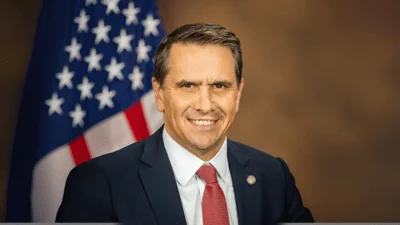
Clark Minor, HHS Acting Chief Artificial Intelligence Officer, is leading the strategy’s implementation. The plan supports directives from the Trump Administration’s AI Action Plan as well as relevant executive orders and guidance from the Office of Management and Budget (OMB). The strategy is structured around five main pillars: governance and risk management; infrastructure design; workforce development; fostering health research; and modernizing care delivery.
"AI is a tool to catalyze progress," said Acting Chief Artificial Intelligence Officer Clark Minor. "This Strategy is about harnessing AI to empower our workforce and drive innovation across the Department."
Rep. Jay Obernolte (R-CA), Chairman of the Bipartisan House Task Force on Artificial Intelligence, expressed support for HHS's approach: "Artificial intelligence has enormous potential to strengthen our nation's health-care system. I'm encouraged that HHS is taking a thoughtful, outcomes-driven approach that prioritizes transparency, rigorous risk management, public trust, and respect for Americans' health data."
Senator Todd Young (R-IN), a member of the Senate Artificial Intelligence Working Group, added: "I commend Secretary Kennedy and the HHS team for developing this strategy to utilize AI technologies and better serve taxpayers. This is the kind of innovative leadership that will help restore faith in government and improve health outcomes across America."
Senator Mike Rounds (R-SD), Co-Chair of the Senate Artificial Intelligence Caucus, also commented: "Artificial Intelligence offers a revolutionary opportunity to strengthen American health care through faster, more accurate diagnoses, improved patient access, lower costs and cures to many of the diseases Americans face today. President Trump's Department of Health and Human Services clearly recognizes this potential."
For the first time at HHS, all divisions—including major agencies such as CDC, CMS, FDA, NIH—are invited under a unified “OneHHS” approach. This aims to build department-wide AI infrastructure while streamlining workflows and improving cybersecurity.
The current phase focuses primarily on enhancing internal operations in line with OMB directives but also lays groundwork for future collaboration with private sector stakeholders in developing broader solutions using AI.