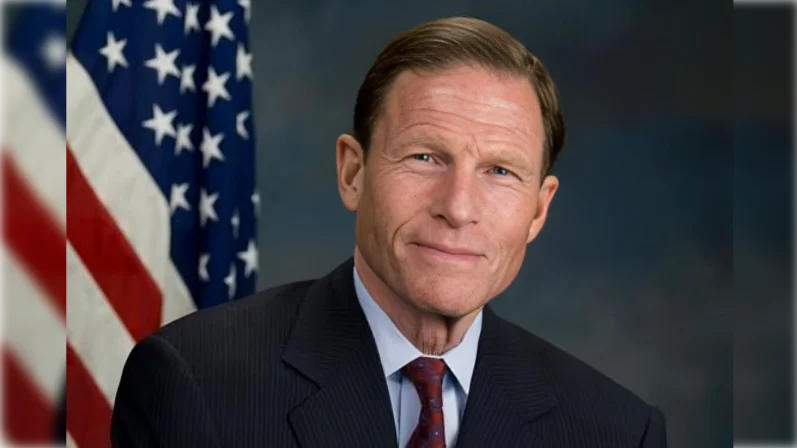
At a recent Senate Veterans’ Affairs Committee hearing, lawmakers examined the ongoing mental health care staffing shortages within the Department of Veterans Affairs (VA). Ranking Member Richard Blumenthal questioned several witnesses about the impact these shortages are having on veterans' access to care.
Blumenthal addressed Dr. Erin Fletcher, director of the Warrior Care Network for Wounded Warrior Project, asking, “Dr. Fletcher, to what extent have waiting times for mental health appointments been due to diminished staff?” Dr. Fletcher responded by highlighting that service members are facing difficulties accessing care, which can lead to additional problems: “What we’ve heard from the warriors we’ve served is they are experiencing access to care difficulties and that can create problems.”
Dr. Julie Kroviak, Acting Assistant Inspector General for Healthcare Inspections at the VA Office of Inspector General (OIG), confirmed there are shortages in mental health providers and acknowledged challenges with timely access: “Yeah, we are aware of shortages in mental health providers and access to care within mental health and health in VA. That’s not unique to the VA health care system. The wait times we’re seeing in VA are also reflected in the wait times veterans are experiencing when being referred to the community.”
Blumenthal raised concerns regarding policies under VA Secretary Collins that involved workforce cuts and questioned whether these actions discouraged recruitment and retention among clinical staff: “It’s not unique but what is maybe unique, certainly unusual, to the VA health care system is it is discouraging talented mental health professionals from coming to the VA through policies of furloughs and firings, would you agree?”
Dr. Kroviak stated that feedback from cyclical reviews indicated declining morale among clinical staff due to uncertainty within federal government operations: “So I will say through our cyclical reviews, where we go out to facilities not for cause, [but] to try to get a feel for culture and quality of care practices, we are getting more feedback that morale is going down because of the uncertainty within the federal government. So yes, while they aren’t participating in the [Deferred Resignation Program] or didn’t participate in DRP or other programs clinical staff were exempted from, they are still losing clinical staff because of morale.”
Blumenthal cited reports indicating increased wait times for Connecticut veterans seeking critical mental health services at local clinics: “As you know, VA Secretary Collins has repeatedly stated that access to VA care has not been affected by staffing reductions. But the VA’s own data, in my view, tells a very different story. Wait times for new mental health appointments have increased sharply since January in my home state, Connecticut. For example, the most recent data shows the current wait time for a new patient mental health appointment at the Orange VA Clinic in Connecticut—an outpatient facility specializing in mental health—is 208 days, nearly six months. Let me ask you, given these kinds of wait times, how does VA plan to prevent overreliance on medication when veterans cannot access timely appointments and what steps are necessary to address this issue?”
Responding on behalf of VA leadership was Dr. Ilse Wiechers, Acting Deputy Assistant Under Secretary for Health for Patient Care Services: she acknowledged some facilities face longer-than-expected delays—“there are wait times at some facilities ‘that are beyond [VA’s] expectations and standards.’”
A video link featuring Blumenthal's questions during this session is available here.