The U.S. Department of Energy (DOE) has introduced a new AI-driven biotechnology platform at the Pacific Northwest National Laboratory (PNNL) in Richland, Washington. The Anaerobic Microbial Phenotyping Platform (AMP2), developed by Ginkgo Bioworks, is expected to become the largest autonomous-capable science system for anaerobic microbial experimentation.
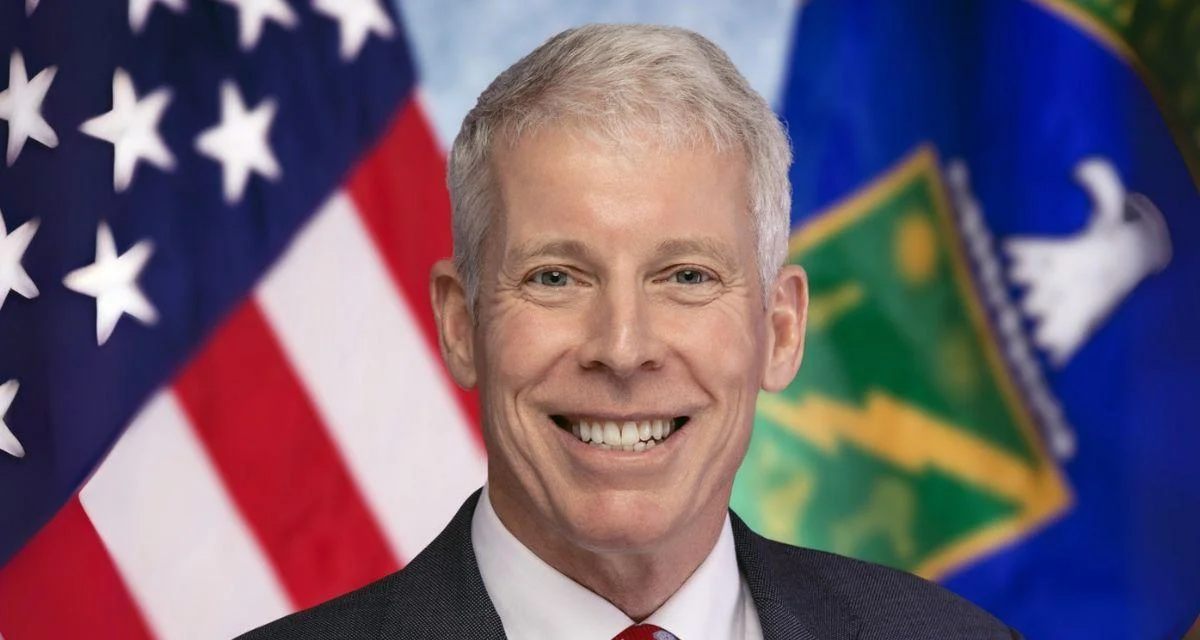
During his visit to PNNL, Secretary of Energy Chris Wright commissioned and signed the AMP2 platform. The initiative aligns with the Trump Administration’s Genesis Mission, which aims to strengthen American leadership in science and innovation through artificial intelligence.
According to DOE officials, AMP2 will allow scientists to study microbes more efficiently using automation and AI. This technology is intended to accelerate research timelines from years down to days or weeks. The project is designed not only to enhance biotech manufacturing but also to provide deeper insights into basic life sciences.
“President Trump launched the Genesis Mission to ensure American leadership in science and innovation,” said Secretary Chris Wright. “This ongoing public-private partnership at PNNL will help do exactly that in the field of biotechnology. By launching AI-enabled, autonomous platforms like AMP2, our DOE National Laboratories are driving scientific breakthroughs faster than ever before and ensuring the United States leads the world in technologies that will better human lives and secure our future.”
AMP2 serves as a prototype for a larger planned system called Microbial Molecular Phenotyping Capability (M2PC). Together, these systems aim to create what DOE describes as the world’s largest infrastructure for autonomous microbial research.
PNNL Director Deb Gracio commented on the launch: “The official launch of AMP2 marks a milestone in maintaining our nation’s global leadership in biotechnology innovation,” she said. “Together with DOE and Ginkgo Bioworks, we are bringing the vision of high-throughput, AI-enabled science to life and empowering researchers to accelerate discoveries that unlock the boundless potential of microbial science."
Jason Kelly, CEO of Ginkgo Bioworks, highlighted the significance of this development: "Secretary Wright and the DOE have moved quickly on the first steps of President Trump's Genesis Mission today with the creation of two autonomous labs that together will be the world's largest," he said. "Artificial intelligence paired with robotic laboratories led by our nation's scientists will ensure the United States wins the race in science and for the bioeconomy versus our adversaries. Ginkgo is proud to play a part in the President's effort that could be as important as the Manhattan and Apollo projects in securing US leadership of the future."
Secretary Wright’s visit was part of his tour across all 17 DOE National Laboratories; PNNL was his 16th stop.