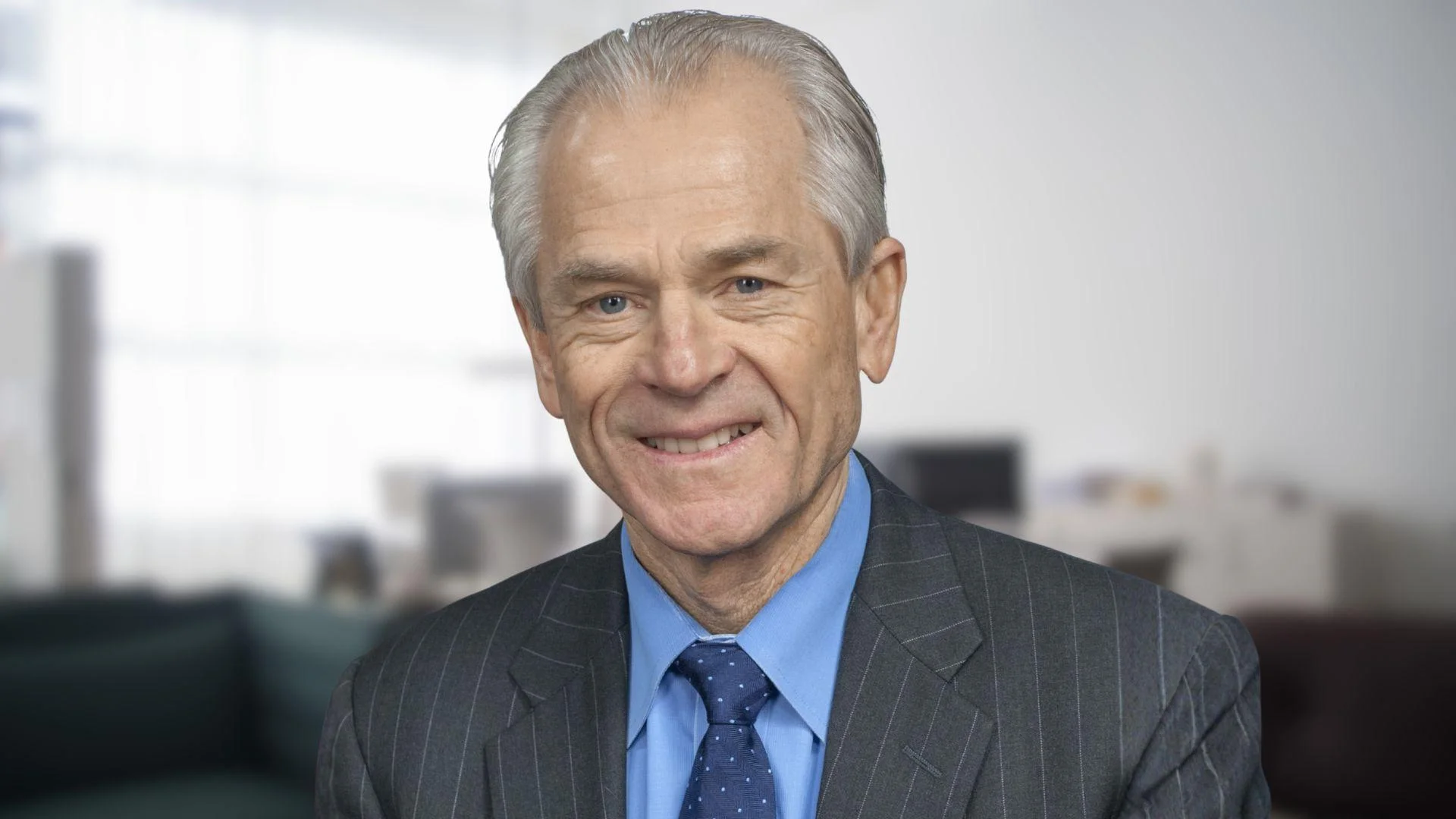
Peter Navarro, senior counselor for trade and manufacturing at the White House, said Ford’s talks with Chinese automaker BYD on hybrid batteries could leave U.S. automakers vulnerable to extortion, amid efforts to secure domestic sources of critical minerals for electric vehicles.
"Ford wants to simultaneously prop up a Chinese competitor's supply chain and make it more vulnerable to that same supply chain extortion," said Navarro. "What could go wrong here? Ford, BYD in talks for hybrid vehicle battery deal."
The statement was made in a post on X, where Navarro addressed Ford’s reported negotiations with BYD concerning hybrid vehicle batteries. His comments are consistent with the administration's strategy to decrease U.S. reliance on Chinese technology within the automotive sector. These remarks followed a Wall Street Journal report indicating that the potential deal might involve sourcing components from outside the U.S. to manage cost pressures.
According to the Detroit News, Ford's $3.5 billion battery plant in Marshall, Michigan, utilizes licensed technology from CATL, a Chinese firm identified as a Foreign Entity of Concern. Michigan has allocated over $700 million in incentives for electric vehicle-related projects, including this facility, which is anticipated to create 2,500 jobs upon its opening. Partnerships with Chinese companies like BYD for hybrid batteries have sparked questions about supply chain security in the Midwest auto hub.
CEPA reports that China produces more than 75% of the world’s lithium-ion battery cells, 70% of cathodes, and 85% of anodes used globally in electric vehicles. BYD holds approximately 17% of the global battery market and is classified as a Foreign Entity of Concern under U.S. regulations. With global demand for EV batteries projected to exceed 3,500 GWh by 2030, U.S. policies are increasingly focused on diversifying supply chains away from Chinese dominance.
Navarro holds a Ph.D. in economics from Harvard University and is Professor Emeritus of Economics and Public Policy at the University of California–Irvine, where he taught for over two decades. He served as Assistant to the President and Director of the Office of Trade and Manufacturing Policy during the first Trump administration, promoting reforms in foreign military sales and arms transfer policies. In his current role as Senior Counselor, he advises on policies aimed at stimulating economic growth, reducing trade deficits, and strengthening America’s defense industrial base.