This week, the House of Representatives approved three bills aimed at preventing the Chinese Communist Party (CCP) from influencing American K–12 schools. The PROTECT Our Kids Act (H.R. 1069), the CLASS Act (H.R. 1005), and the TRACE Act (H.R. 1049) are designed to increase transparency in school funding, block foreign adversarial financial streams, and strengthen protections for students and families. All three bills received bipartisan support.
Select Committee on China Chairman John Moolenaar (R-MI) commented on the measures: "China wants to influence what American students learn in classrooms from kindergarten through college. These commonsense bills will protect them from Chinese propaganda and shine a light on how China tries to influence our education system. The CCP would love to stop Americans from learning about its horrific Cultural Revolution, its slaughter of innocent students at Tiananmen Square, its genocide of Uyghurs, and its authoritarian plans for the future. These bills will empower parents and prohibit China’s influence in our classrooms so American students can learn the truth about the CCP."
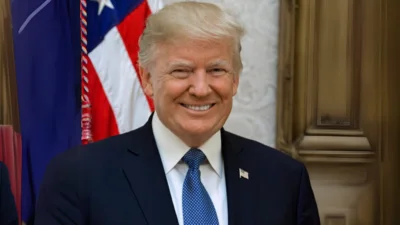
Speaker Mike Johnson (R-LA) also addressed the passage: “This week’s House passage of the PROTECT Our Kids Act, the TRACE Act, and the CLASS Act are victories for America’s parents, students, education system, and our national security. We will not allow foreign nations or adversaries – particularly the Chinese Communist Party – to infiltrate U.S. schools to fund and influence what American students learn. These three important measures improve transparency, strengthen parental rights, and ensure America’s classrooms remain free from harmful foreign propaganda. House Republicans will continue acting decisively to protect America’s next generation and preserve the integrity of our education system.”
Majority Leader Steve Scalise (R-LA) stated: “American schools across the country have been targeted by foreign adversaries, including the Chinese Communist Party, which seek to exert their influence on students and faculty and subvert U.S. interests. Our children are our future – we cannot allow hostile foreign adversaries to infiltrate our classrooms, indoctrinate our kids, and undermine American values. This week, House Republicans passed three bills to combat foreign influence in American classrooms, increase transparency surrounding foreign funding, and ensure parents are aware of what their children are being taught. I’m grateful for all the critical work the Education and Workforce Committee has done to pass these bills through the House and protect our nation’s youth.”
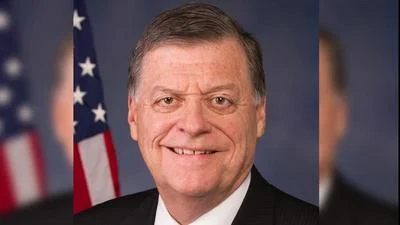
Chairman Tim Walberg (R-MI) of the Education and Workforce Committee added: “Authoritarian regimes around the world, like the Chinese Communist Party, are trying to use lucrative financial ties with schools to undermine American values and interests. Confucius Classrooms are a prime example of how foreign-funded programs can shape curricula and exert influence in our K-12 classrooms. I am pleased to see my colleagues recognize the need to protect our students and increase transparency when it comes to foreign funding in education. American schools should teach critical thinking—not enemy propaganda.”
The legislation includes several key provisions:
- The PROTECT Our Kids Act aims to halt CCP funds directed toward K–12 schools.
- The CLASS Act requires that schools disclose sources of any foreign funding.
- The TRACE Act ensures that parents have information about who is financing their child’s education as well as any conditions attached.
Moolenaar spoke about these initiatives on Wednesday from the House floor.
The Select Committee on China continues efforts to reveal how financial relationships between U.S educational institutions and entities linked with China may be used by Beijing as a way to shape curriculum content or inject political messaging into American classrooms via programs such as Confucius Classrooms.
These legislative steps mark an attempt by lawmakers to limit potential avenues for outside interference in school curricula while increasing oversight regarding external funding sources.