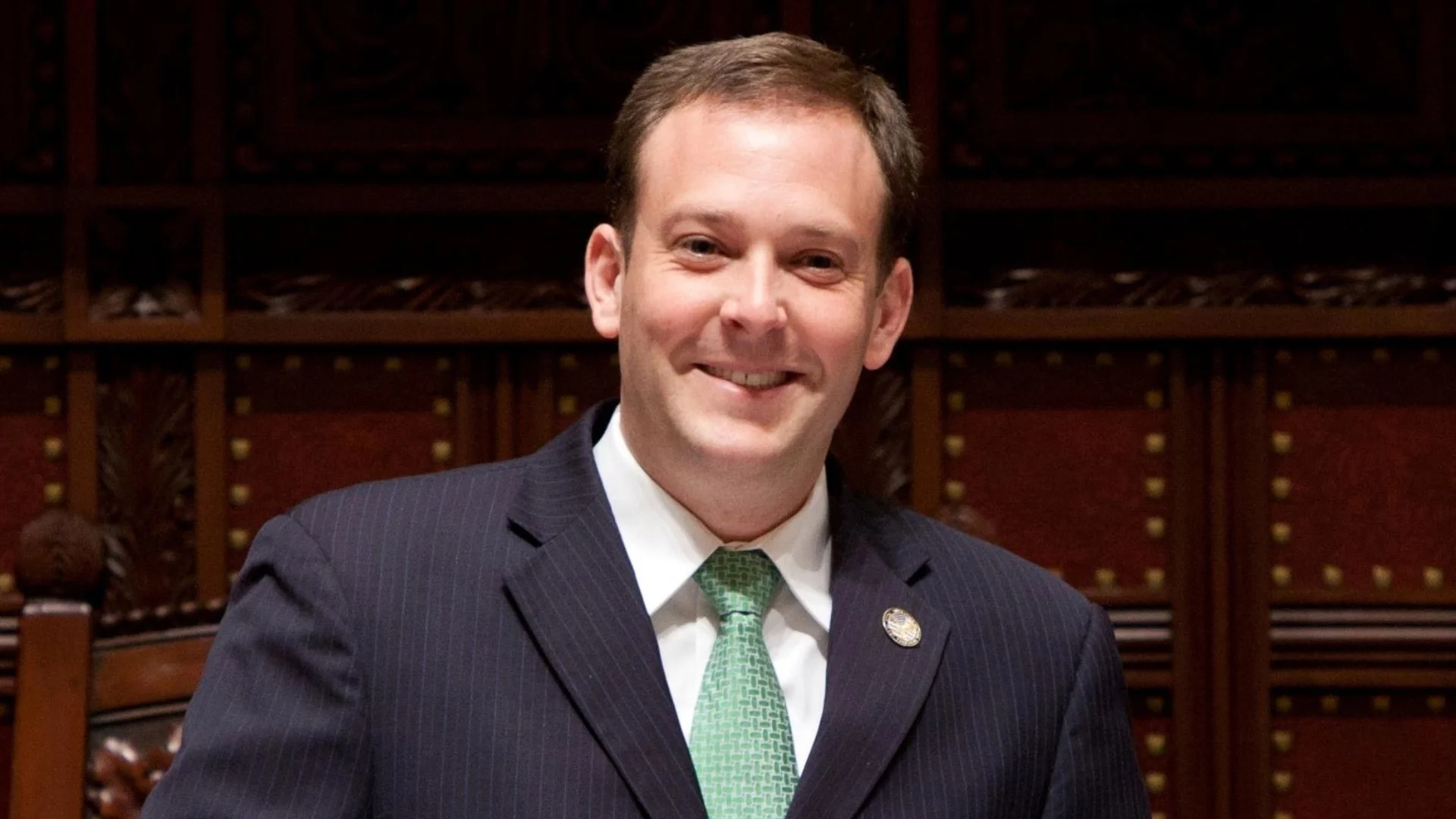
The U.S. Environmental Protection Agency (EPA) has proposed a new rule to redefine "waters of the United States" (WOTUS) under the Clean Water Act. This move aims to provide clarity and regulatory certainty following the Supreme Court's decision in Sackett v. EPA. The announcement was made by EPA Administrator Lee Zeldin and Assistant Secretary of the Army for Civil Works, Adam Telle, at EPA Headquarters.
Assistant Secretary Adam Telle said, "In recent decades, the regulatory uncertainty caused by changing and complicated definitions of Waters of the United States unduly burdened the American people and undermined our nation’s economic competitiveness." He emphasized that the new proposal follows legal guidelines set by the Supreme Court.
Brooke Rollins, U.S. Department of Agriculture Secretary, expressed support for the proposal, calling it a "victory for rural America" and commending Administrator Zeldin for addressing previous WOTUS rules' complexities.
Nebraska Governor Jim Pillen criticized past regulations as "vast government overreach," praising President Trump's administration for eliminating unnecessary regulations affecting landowners and agricultural producers.
Senate Environment and Public Works Committee Chair Shelley Moore Capito highlighted that this proposal aligns with both the Clean Water Act and the Supreme Court's decision. She noted that it would reduce federal oversight to only those wetlands with a continuous connection to jurisdictional waters.
Senator John Boozman remarked on how this definition would eliminate confusion faced by farmers trying to comply with water protection rules. Senator John Barrasso added his approval, emphasizing respect for local authority over water resources in western states like Wyoming.
The proposal also received praise from industry leaders such as Kimberly Wise White from the American Chemistry Council, who noted its potential to enhance regulatory certainty and transparency within Clean Water Act programs.
As part of ongoing discussions, various stakeholders including state officials, industry representatives, and environmental groups are expected to provide feedback during a public comment period before finalizing the rule.
For more information on this development: https://www.epa.gov/wotus-rule
Information from this article can be found here.