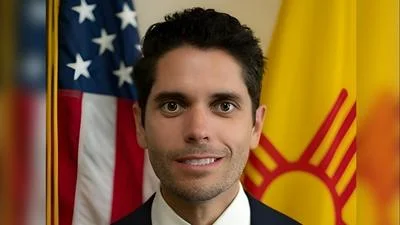
In the Rio Grande Valley, transportation projects are seen as more than infrastructure—they are about connecting communities and improving lives. Pedro “Pete” Alvarez, who leads the Texas Department of Transportation’s (TxDOT) Pharr District, is responsible for overseeing these developments in South Texas.
Alvarez said, "We're here to save lives. We're here to ensure that everybody gets to their destination." His approach emphasizes planning and building with safety and community needs in mind.
A native of McAllen, Alvarez returned home after studying engineering. As district engineer, he focuses on using his expertise to benefit the local transportation system. "This profession allows me to not only solve problems, but affect the region as a whole," he said.
One project that stands out in his career is building a highway in Mission, Texas. Reflecting on its completion, Alvarez stated, "Once we were complete, we saw a transformation of that part of the valley. And then for me, it was like, ‘Wow I played a part in this.’"
Alvarez recognizes that such projects not only change landscapes but also create economic opportunities and improve quality of life for residents. With population growth expected to double by 2040 in South Texas, he stresses the need for long-term planning: "It's imperative that we understand that we're building for the future. We already have needs and there's congestion. Yes, we're trying to address those, but we also have a long-range plan to ensure that we will be able to handle what's coming to us," Alvarez said.
Efforts across the country reflect similar priorities. The U.S. Department of Transportation recently announced $19.6 million in grants awarded through its Small Shipyard Grant Program to 24 small shipyards in 19 states. These funds aim to modernize facilities and expand employment opportunities while enhancing competitiveness globally (https://www.maritime.dot.gov/newsroom/maritime-administration-awards-nearly-20-million-funding-strengthen-us-shipyard-economic).
Additionally, new guidance from the Federal Highway Administration provides $7.3 billion in formula funding as part of President Biden’s Bipartisan Infrastructure Law. This initiative helps states prepare for extreme weather events such as wildfires and flooding (https://www.transportation.gov/briefing-room/biden-administration-announces-new-protect-formula-program-73-billion-bipartisan).
The Department of Transportation is also working with supply chain companies through initiatives like Freight Logistics Optimization Works (FLOW), which brings together partners across sectors to share data securely and improve logistics nationwide (https://www.transportation.gov/briefing-room/dot-supply-chain-companies-collaborate-speed-movement-goods-cut-costs-consumers).
As leaders like Alvarez plan for growth and resilience at the local level, federal programs continue supporting innovation and investment throughout the national transportation network.