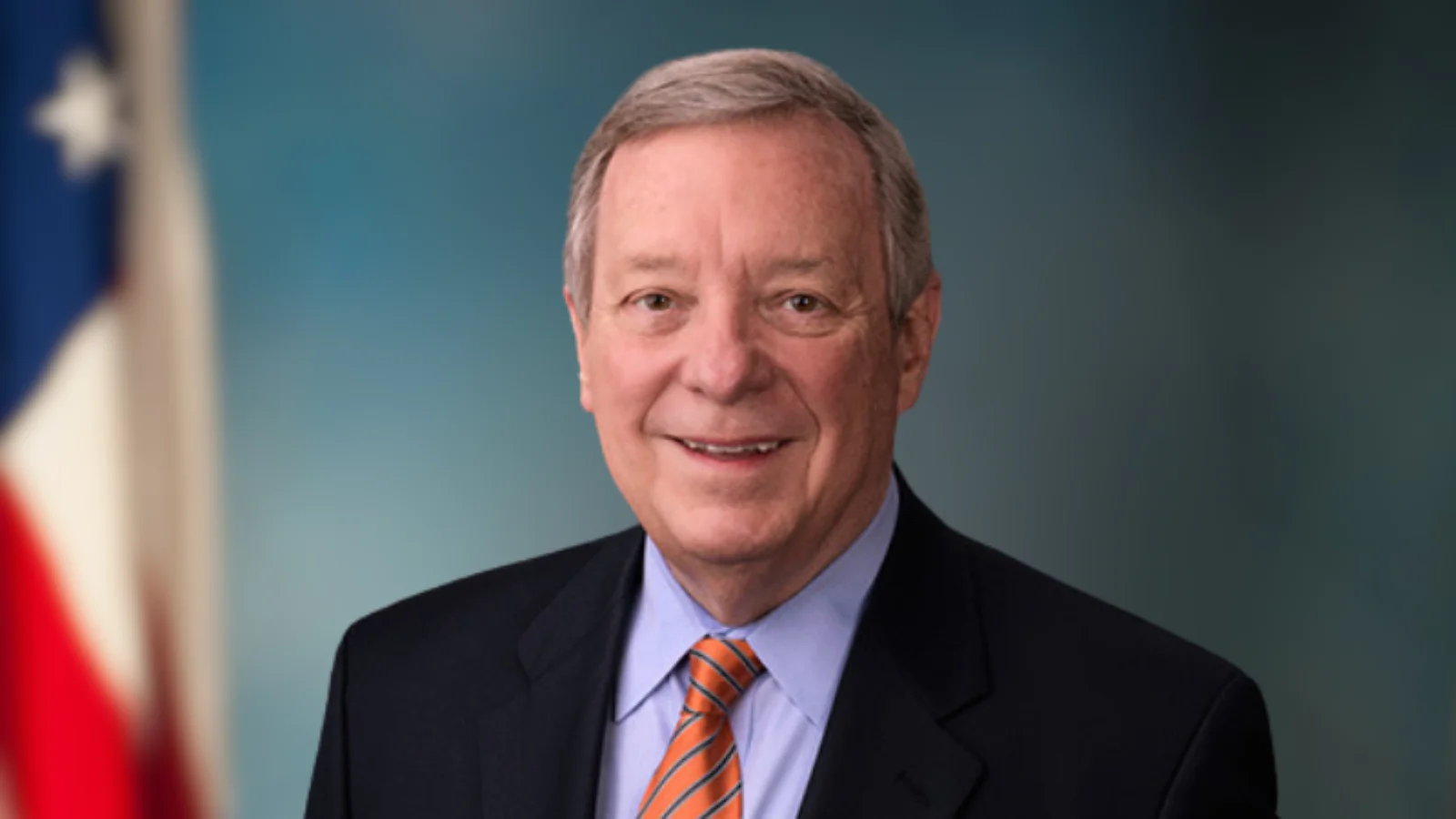
U.S. Senate Democratic Whip Dick Durbin (D-IL), Ranking Member of the Senate Judiciary Committee, called on Congress to pass the bipartisan STOP CSAM Act, a bill aimed at combating online child sexual abuse material. Durbin made the request for unanimous consent alongside Senator Josh Hawley (R-MO), who cosponsors the legislation.
"I come to the floor today to ask the Senate to pass the STOP CSAM Act, bipartisan legislation that would finally open the courthouse doors to survivors of child exploitation and their families. Too many parents feel a pit in their stomachs every time their child logs onto a phone, tablet, or video game console. They know that the internet has become a hunting ground for predators," said Durbin.
Durbin referenced testimony heard earlier in the day by the Senate Judiciary Committee from a family impacted by online exploitation. He shared, "Three years ago, 17-year-old James Woods, an honor student and accomplished track athlete from the state of Ohio, died by suicide after being targeted by predators on Instagram. We asked his mother today how long this relationship online lasted. Start to finish, which was the end of her son’s life, was 19 hours. They tricked James into sending them sexually explicit photos and they threatened to ruin his life if he did not pay them. His tormentors sent him 200 messages in 19 hours, encouraging him to end his life, which he ultimately did."
According to data from the National Center for Missing & Exploited Children (NCMEC), reports of child sexual abuse material have risen sharply over less than a decade: from 1.1 million CyberTips in 2014 to 36 million in 2023.
"As I have learned more about the horrors of online child sexual exploitation, I have made it my mission to try to put an end to it. That’s why I have worked with survivors, prosecutors, law enforcement, victim advocates, and my colleagues on both sides of the aisle to write a bill that responds with the urgency that this situation demands. That bill is the STOP CSAM Act," said Durbin.
Durbin also acknowledged Senator Hawley’s role as lead sponsor and thanked those who advocated for survivors' rights: "I would like to thank Senator Hawley for being the lead sponsor on this bill, who voted unanimously with the Judiciary Committee who voted unanimously to advance this bill out of Committee earlier this year. And I want to recognize the extraordinary survivors and advocates who have fought to make this legislation possible. Unfortunately, due to Big Tech’s deep pockets, it has not been easy to pass a law to finally hold the tech industry accountable for the harms they cause… So when the STOP CSAM Act didn’t pass the full Senate last year, Senator Hawley and I were determined to bring it up this year. Because Big Tech has failed to keep kids safe online, it is imperative that Congress do something."
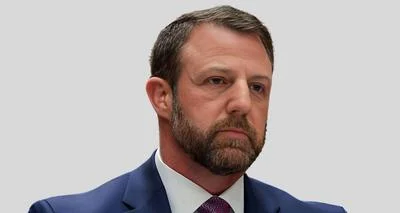
After remarks from Senator Hawley supporting passage of STOP CSAM Act via unanimous consent request on Wednesday, Senator Ron Wyden (D-OR) objected.
The STOP CSAM Act proposes several measures: allowing victims of child sexual exploitation to sue companies involved in facilitating or hosting such content; expanding protections for victims and witnesses in federal court; improving restitution processes; strengthening requirements for reporting abuse material; and mandating annual safety reports from large technology companies.
The legislation was reintroduced earlier this year following hearings featuring survivors and experts impacted by these crimes.
Senator Durbin has used his position on the Senate Judiciary Committee through hearings and legislative initiatives focused on online child safety issues. In January 2024 while serving as Chair of that committee, he led a hearing where CEOs from major social media platforms testified regarding risks facing children online and highlighted bipartisan efforts addressing these challenges.
Durbin also introduced another bipartisan measure—the Disrupt Explicit Forged Images and Non-Consensual Edits Act (DEFIANCE Act)—which passed in July 2024 before being reintroduced again this year. The DEFIANCE Act seeks accountability for creators or distributors of nonconsensual sexually explicit "deepfake" images or videos—an issue growing rapidly due largely accessible technology enabling such content creation without depicted individuals’ consent.
Earlier this year another hearing titled “Children’s Safety in the Digital Era: Strengthening Protections and Addressing Legal Gaps” further examined these threats as part of ongoing oversight efforts within Congress.