On December 10, the United States marked the anniversary of its victory in the Spanish-American War, recalling the events that led to a significant shift in global power at the end of the 19th century.
The conflict began after tensions rose over Cuba's fight for independence from Spain. The deployment of the USS MAINE to Havana ended in tragedy when an explosion sank the ship on February 15, 1898, resulting in more than 260 American deaths. This incident played a key role in moving the United States toward war.
American forces achieved victories across multiple fronts, including Cuba and the Philippines. At Manila Bay, U.S. naval forces destroyed Spain’s fleet within hours. In Cuba, Theodore Roosevelt’s “Rough Riders,” a volunteer cavalry unit made up of individuals from various backgrounds, participated in major battles.
The Treaty of Paris was signed on December 10, 1898, formally ending hostilities. As part of this agreement, Spain relinquished its claim to Cuba and ceded Guam, Puerto Rico, and the Philippines to the United States.
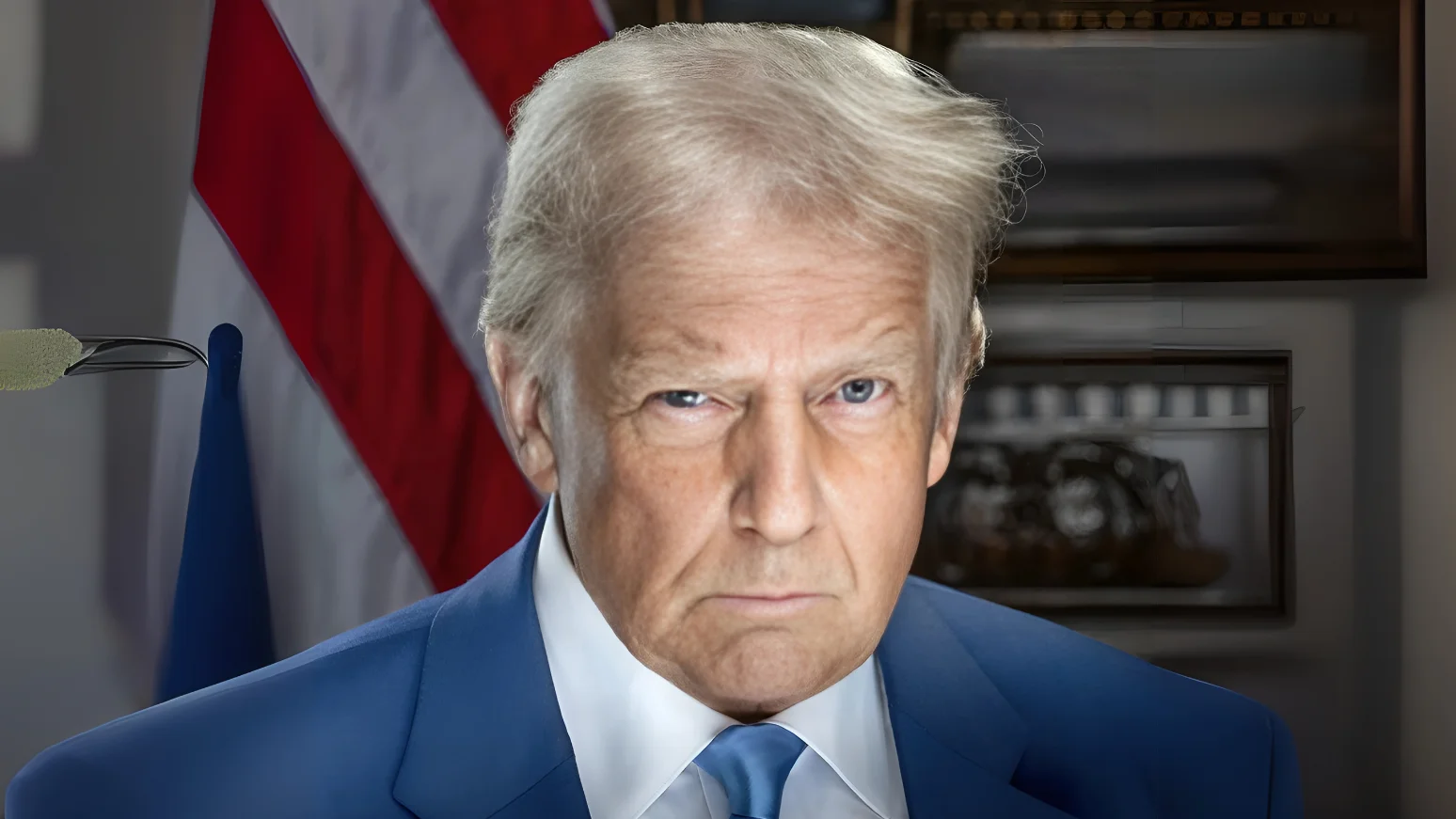
In a statement marking the anniversary, President Donald J. Trump said: “On December 10, 1898, the United States signed a historic peace treaty to end the momentous Spanish-American War. The treaty reaffirmed the ‘Monroe Doctrine’ by ending the age-old European foothold in the Western Hemisphere and signaled to the entire world that America was emerging as a major superpower not to be underestimated. Today, we honor the unwavering courage, conviction, and sacrifice of every hero of liberty who fearlessly confronted forces of tyranny to defend our honor, our sovereignty, and our birthright of freedom.”
He continued: “As Cuba’s fight for independence escalated under King Alfonso XIII’s rule—leading to violent unrest that endangered American lives—the United States deployed the battleship USS MAINE to Havana, the capital of Cuba. On February 15, 1898, a devastating explosion sank the ship, claiming the lives of more than 260 Americans. This tragedy propelled the United States toward a momentous struggle for justice and ignited our Nation’s righteous determination to defend our interests and maintain our dominance in the Western Hemisphere.”
President Trump also highlighted military actions: “The war swiftly unfolded as American troops and sailors advanced with decisive strength, securing victories from Cuba to the Philippines. At the Battle of Manila Bay, United States forces destroyed the entire royal Spanish fleet within mere hours. Additional fighting in Cuba was backed by Theodore Roosevelt’s legendary regiment of ‘Rough Riders,’ a volunteer cavalry made up of cowboys, miners, and college athletes who embodied American strength.”
Reflecting on what followed after victory: “On this day 127 years ago, the Treaty of Paris formally ended the conflict and Spain relinquished its claim to Cuba and ceded Guam, Puerto Rico, and the Philippines to the United States—a pivotal moment that marked not only conclusion of war but dawned America’s role as military superpower unlike anything world had ever seen.”
Looking forward he stated: “Today we recognize territories and partnerships forged by Treaty of Paris where full force American freedom has taken root. Above all we renew commitment simple truth: Peace is maintained through strength. My Administration is proudly upholding this America First vision through negotiations historic peace deals regions marked decades conflict—proving nations around world we can turn page days endless wars usher future defined everlasting peace.”
President Trump concluded: “As we commemorate this anniversary of our victory in Spanish-American War we stand united unwavering commitment peace military strength enduring principles define American spirit.”