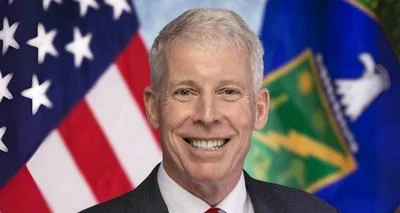
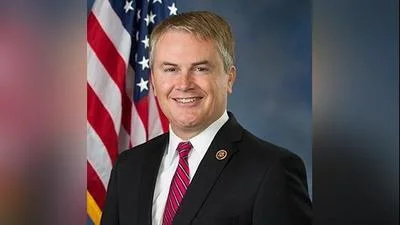
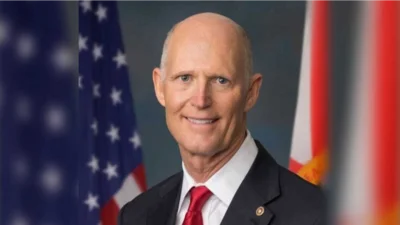
Subcommittee Chairman Scott Perry (R-PA) delivered remarks at a hearing of the Economic Development, Public Buildings, and Emergency Management Subcommittee on the future of federal property management. The hearing, titled “Cutting Costs, Adding Value: The Future of Federal Property,” focused on efforts to improve the efficiency and cost-effectiveness of federal real estate.
Perry referenced earlier legislative efforts such as the USE IT Act and the Federal Asset Sale and Transfer Act (FASTA), stating these measures are designed to improve space utilization rates, hold agencies accountable for their use of space, and adjust the overall size of the federal property footprint.
He noted that as the Public Buildings Reform Board prepares its next set of recommendations, there is an expectation for significant taxpayer savings. "With an anticipated $5.4 billion in savings from its 'Second Round' recommendations, this next round serves as an opportunity to realize even more savings for the taxpayer," Perry said.
Perry also highlighted actions by the General Services Administration (GSA), including moves aimed at reducing costs through potential sales such as that of the Weaver Building. However, he cautioned that selling excess properties alone would not resolve ongoing challenges with maintaining federal buildings. He pointed out that deferred maintenance liabilities have increased significantly over recent years—from $1 billion in fiscal year 2017 to $6 billion by fiscal year 2022 according to GSA data. Civilian agencies collectively reported a deferred maintenance liability of $80 billion in fiscal year 2022.
"We need to get a handle on these costs," Perry stated. He emphasized new authorities granted to GSA through reforms signed into law earlier in the year and stressed that meeting deadlines is essential for effective implementation.
Perry outlined several upcoming requirements: By January 2026, all federal agencies must report data regarding space occupancy and related costs to GSA, OMB, and Congress. By next month, all federal office spaces must reach at least a 60 percent building utilization rate; those failing to do so will have one year before agencies are moved out or properties are sold or relinquished.
Additionally, Perry said that by next January both OMB and GSA must submit a plan for consolidating agency headquarters in Washington D.C., ensuring minimum occupancy standards are met. The GSA is also required to prioritize capital investment projects based on these utilization thresholds and provide detailed reporting on progress.
"It is critical for the GSA to meet these deadlines and requirements, not only to save taxpayer dollars but to ensure accountability and transparency over the long-term," Perry said.
He concluded by expressing his intent to hear from GSA officials about progress toward portfolio right-sizing and implementing reforms: "While the state of federal real estate continues to face an uphill battle, the policies of this Congress and the Trump Administration have, and will continue to, accelerate this important corrective work."
More information from today’s hearing—including video footage and witness testimony—is available online.