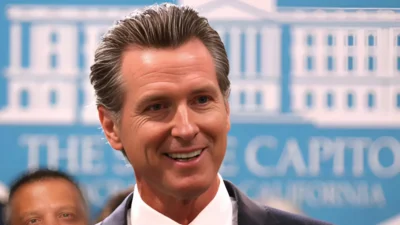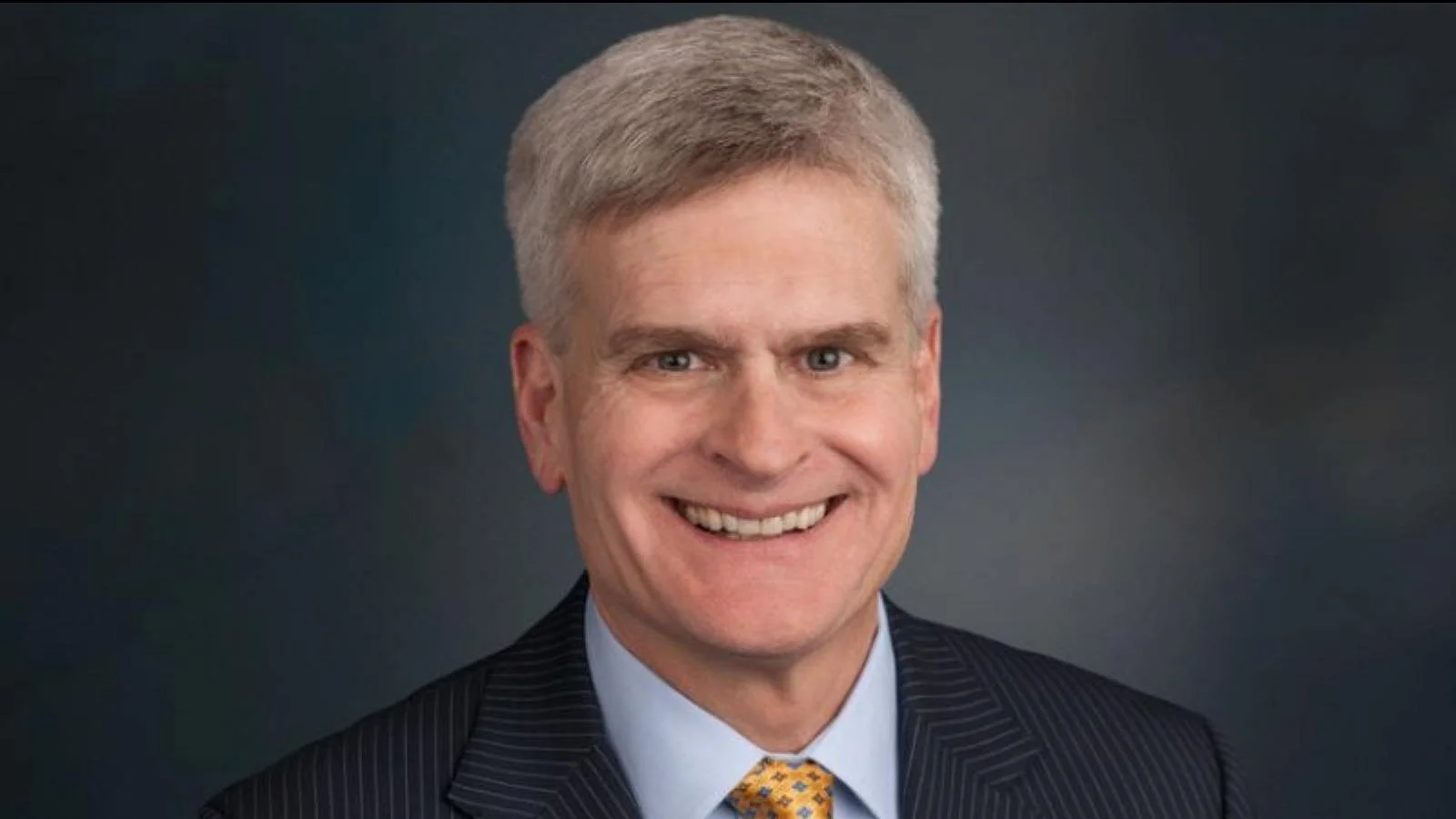
U.S. Senator Bill Cassidy, chair of the Senate Health, Education, Labor, and Pensions (HELP) Committee, spoke during a hearing on the U.S. Organ Procurement and Transplantation Network (OPTN), focusing on improving access to lifesaving organs.
Cassidy highlighted his experience as a physician treating patients with Hepatitis B who sometimes needed liver transplants. He emphasized the importance of organ transplantation for those facing life-threatening illnesses.
He noted that Congress established the OPTN in 1984 as a public-private partnership supported by volunteers and experts. According to Cassidy, over 48,000 transplants were performed in the United States last year, marking a record number.
In 2023, Congress passed legislation called the Securing the U.S. Organ Procurement and Transplantation Network Act. This law removed barriers in OPTN management and gave the Health Resources and Services Administration (HRSA) more authority to improve organ transplantation systems in the country. Cassidy stated that for nearly forty years one government contractor managed OPTN entirely, but recent changes have increased competition and accountability.
"For nearly four decades, the OPTN was managed and run in its entirety by one single government contractor. By breaking up the OPTN monopoly contract, we opened the door for more competition, transparency, accountability; better results for patients. It shows what happens when we drop our partisan jerseys, and work together to deliver a pro-patient, pro-family agenda for the American people," said Cassidy.
Cassidy pointed out ongoing challenges: "But there is more for Congress to do. There are over 100,000 patients waiting for a lifesaving organ. We've heard reports of patient's safety and dignity compromised and gross mishandling of organs, undermining public trust in the OPTN. 13 people die every day waiting for a transplant."
He stressed that it is within this committee’s jurisdiction to oversee OPTN operations and reduce waiting lists by improving transparency and protecting patient safety.
"This committee has jurisdiction over the OPTN, with that jurisdiction comes a responsibility to make sure that the system is working as intended. AND is there a way to cut down on this 100,000-person backlog. Specifically, off waiting lists. We should improve transparency, protect patient safety, and restore trust. There are 100,000 Americans waiting for a miracle; we cannot fail them," he said.
Cassidy credited President Trump’s administration with prioritizing improvements through stricter performance standards for Organ Procurement Organizations (OPOs) and reducing financial obstacles for living donors.
"President Trump’s administration is making this a priority.As evidence by, implementing tougher performance and accountability measures for Organ Procurement Organizations—also called OPOs—and reduce financial barriers for living donors. I applaud the President’s commitment to this issue and look forward to working closely with him on these efforts," said Cassidy.
He also acknowledged Senator Grassley’s leadership on related issues: "I also appreciate Senator Grassley’s longstanding leadership on these issues. Together, we introduced OPTN Fee Collection Authority Act to ensure responsible management of the fees that fund the OPTN. It increases transparency, and encourages easy to implement, commonsense improvements like automatic electronic referrals for donors."
Senators Collins, Capito, Murray, and Baldwin were recognized for providing funding aimed at modernizing OPTN through their roles on the Appropriations Committee.
Cassidy concluded by expressing hope that these efforts would increase access to transplants: "These efforts give Americans hope and a better chance that they will receive a life transplant. It is pro-patient, pro-family, and Makes America Healthy Again."
He looked forward to further discussions about supporting federal initiatives alongside congressional action regarding organ procurement.