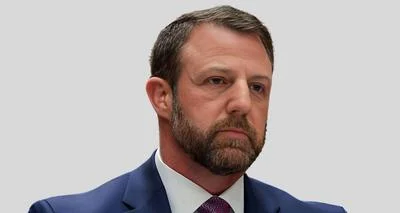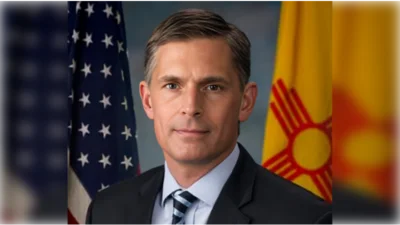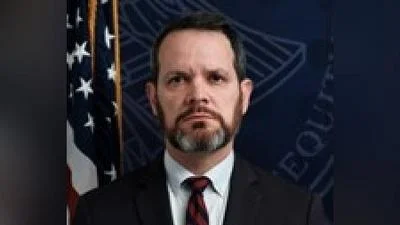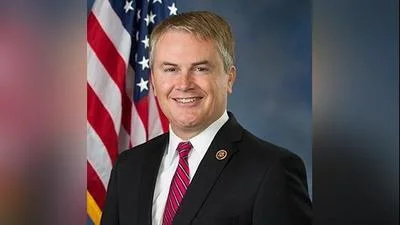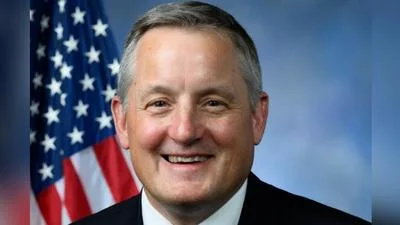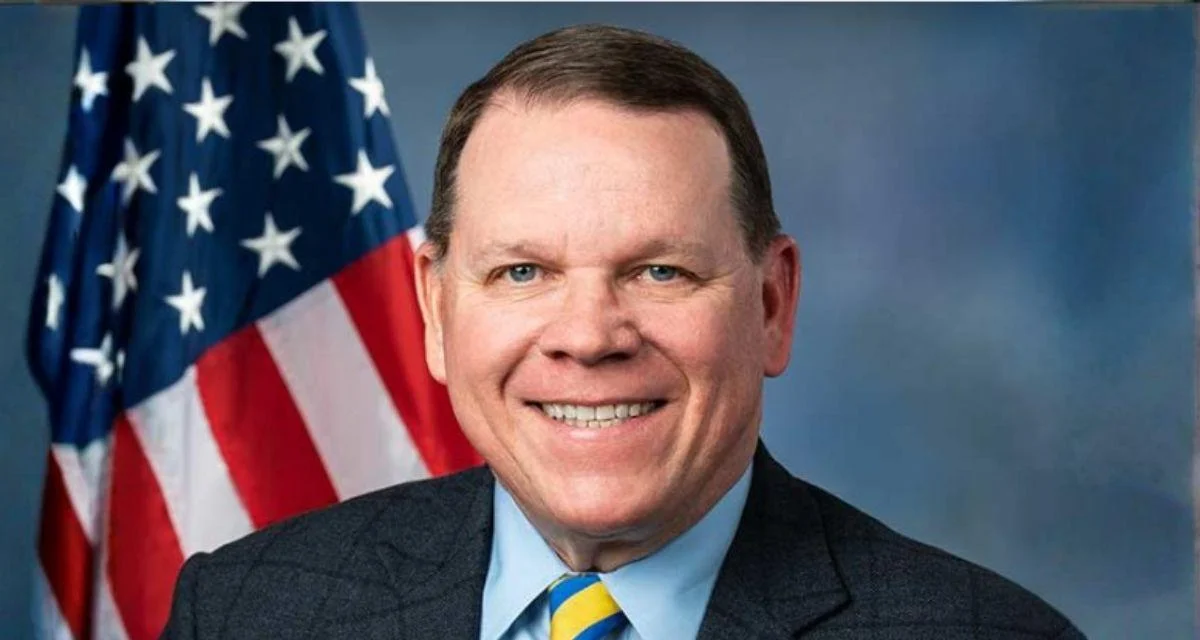
Transportation and Infrastructure Committee Chairman Sam Graves and Aviation Subcommittee Chairman Troy E. Nehls delivered opening statements at a hearing with Federal Aviation Administration (FAA) Administrator Bryan Bedford. The hearing, titled “The State of American Aviation,” addressed recent developments and ongoing challenges in the aviation sector.
Chairman Graves began by referencing the fatal mid-air collision near Washington, D.C., on January 29, 2025. He stated, “Our thoughts remain with the loved ones of those lost in the DCA mid-air collision that occurred on January 29, 2025.”
Graves highlighted longstanding concerns about the nation’s air traffic control (ATC) system. “Our ATC system is outdated and unsustainable, and it must be modernized for the benefit and safety of all users of the National Airspace System,” he said.
He noted that Congress passed a budget reconciliation bill, which President Trump signed into law, providing $12.5 billion for ATC modernization. According to Graves, this funding enabled the FAA to start replacing telecommunications infrastructure and radar systems, invest in runway safety and airport surveillance projects, and update aging air traffic control facilities.
Graves expressed support for continued collaboration with Administrator Bedford, Secretary Duffy, and President Trump as efforts toward ATC modernization continue.
He also pointed to bipartisan work on last year’s FAA Reauthorization Act of 2024. “This bipartisan law addressed workforce challenges, increased funding for airports across the country, made improvements to the passenger experience, and included the first ever general aviation (GA) title,” he said.
Regarding workforce issues, Graves mentioned that the FAA exceeded congressional hiring goals by bringing on 2,026 new controllers in 2025. He added that there are plans to hire a total of 8,900 controllers by 2028—1,500 more than under the previous administration.
Aviation Subcommittee Chairman Nehls opened his remarks by thanking Administrator Bedford for attending his first Congressional hearing as head of the FAA. Nehls also acknowledged those affected by the January accident: “To the families here with us today, my commitment to you remains steadfast, and I can assure you that this subcommittee will continue to do everything in its capacity to make sure a tragedy like this never happens again.”
Nehls discussed immediate changes made following the accident—including permanent route changes near Ronald Reagan Washington National Airport (DCA), helicopter restrictions in nearby airspace, adjustments to air traffic control staffing and arrival flows at DCA, and requirements for ADS-B Out equipment on most aircraft operating near DCA’s Class Bravo Airspace.
He described aviation safety as an ongoing process: “In times like those, we are served with the stark reminder that aviation safety is a journey rather than a destination.” Nehls observed that after the incident there was renewed industry focus on air traffic control modernization.
Nehls cited two key documents guiding current efforts: “The first is the bipartisan FAA Reauthorization Act of 2024 which contained numerous provisions directing the Administration to phase out legacy systems in use across the National Airspace System (NAS) and operationalize key programs developed under the NextGen initiative.” The second is “this Administration’s Air Traffic Control Modernization Plan,” supported by $12.5 billion appropriated by Congress for radar replacement and updates to telecommunications infrastructure.
He emphasized oversight responsibilities regarding these funds: “Administrator Bedford, this subcommittee will be conducting oversight of that $12.5 billion to ensure we avoid the absolute disaster that was NextGen. The stakes are too high, and we simply can’t afford to get this wrong.”
For further details about witness testimony or video from today’s hearing visit the committee's website.