RST-Sanexas, Inc., a manufacturer and marketer of electric stimulation devices based in Las Vegas, Nevada, and its principal owners—Richard Sorgnard, Lisa Sorgnard, and Morhea Sorgnard—have agreed to pay $1.5 million to resolve allegations that they violated the False Claims Act by causing false claims to be submitted to Medicare. The settlement also addresses claims that they accepted and paid illegal kickbacks.
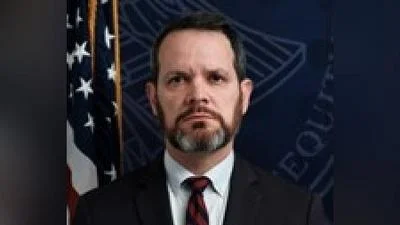
According to U.S. Attorney David Metcalf for the Eastern District of Pennsylvania, “Our office continues to lead the national charge to hold alleged fraudsters accountable for improper Sanexas billing. We will continue working closely with our partners at CMS’s Center for Program Integrity, the Department of Health and Human Services Office of Inspector General, the Justice Department’s Civil Division, and U.S. Attorney’s Offices around the country to hold accountable any other providers who inappropriately billed for these devices and caused false claims to be submitted.”
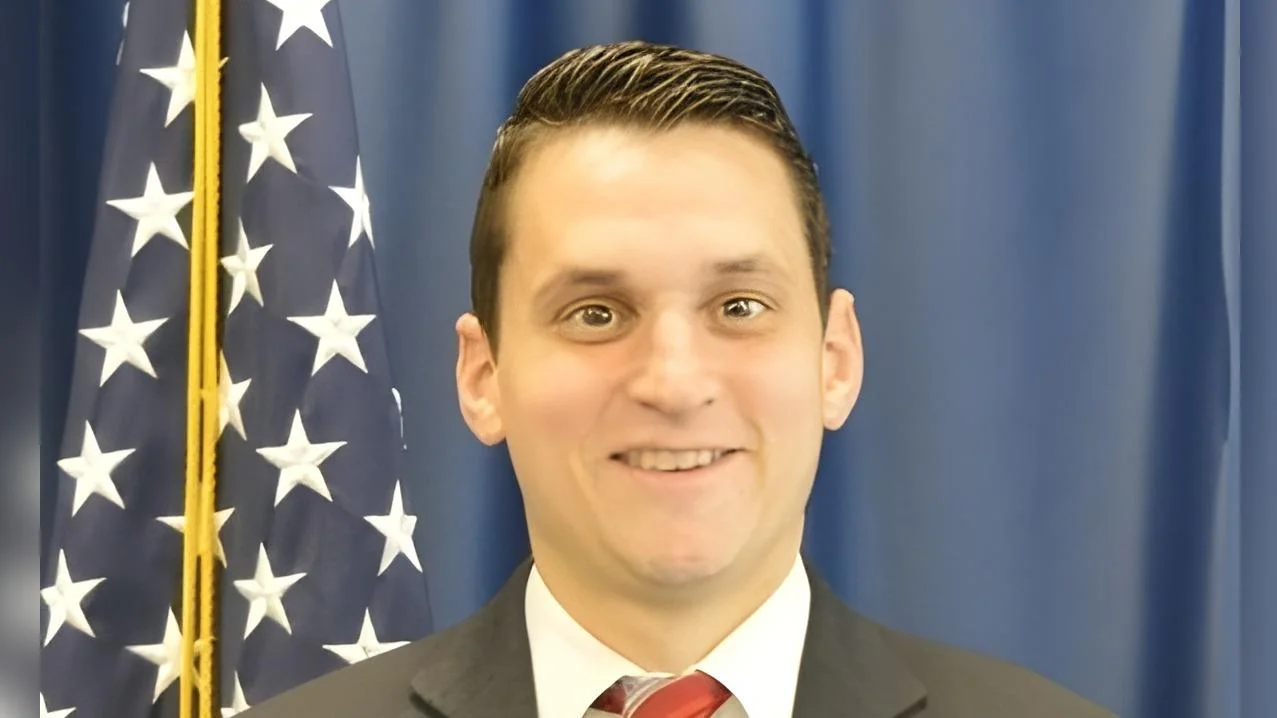
Maureen R. Dixon, Special Agent in Charge for the U.S. Department of Health and Human Services Office of Inspector General (HHS-OIG), stated: “Accurately billing for services provided to Medicare enrollees is required of all health care providers participating in the program. Alongside our law enforcement partners, HHS-OIG will continue to evaluate and pursue allegedly inaccurate billings of Sanexas and similar devices.”
The United States alleges that between September 2017 and May 2022, RST-Sanexas marketed its device—the RST Sanexas neoGEN-Series—for uses not cleared by the Food and Drug Administration (FDA), such as treating acute pain or improving nerve health. These uses were outside FDA clearance and not considered medically reasonable or necessary under Medicare guidelines.
Medicare does not cover certain treatments involving Sanexas devices or vitamin injections used with them as marketed by the company. National Coverage Determination 160.7.1 specifies that electrical nerve stimulation treatments performed in physician offices or outpatient clinics are excluded from coverage; local determinations similarly exclude vitamin injections when used for nerve block functions.
The government further contends that RST-Sanexas encouraged provider customers to submit false claims related to epidermal nerve fiber density (ENFD) testing after using their device—even though it was not approved for healing or regrowing nerves—rendering such testing unnecessary under Medicare rules.
Additionally, authorities allege violations of the Anti-Kickback Statute through volume-based discounts offered to distributorships owned by medical providers using Sanexas devices, commissions tied directly to sales volume generated by distributors, and commissions received from a diagnostic laboratory for referring providers who performed ENFD testing alongside Sanexas treatment.
This settlement resolves certain allegations brought under whistleblower provisions of the False Claims Act in lawsuits filed in federal courts in Wisconsin and Pennsylvania. Under these provisions, private individuals known as relators can sue on behalf of the United States and share in any resulting settlements or judgments.
The resolution resulted from coordinated efforts among several agencies including the Justice Department’s Civil Division; U.S. Attorney’s Offices for Eastern/Western Districts of Pennsylvania and Eastern District of Wisconsin; as well as investigative support from HHS-OIG.
Prior press releases related to this initiative are available at:
Recently, a Consent Judgment was entered by the United States District Court for the Eastern District of Pennsylvania against Joseph M. Childs, DC; Charles H. Durr, DC; and Active Integrated Medical Centers, PC regarding breach of payment obligations under a previous $1.9 million settlement agreement related to Sanexas billing.
Officials emphasize ongoing efforts against healthcare fraud within technology sectors using tools like the False Claims Act. Tips about potential fraud can be reported via 800-HHS-TIPS (800-447-8477).
The allegations described are only accusations; there has been no determination of liability.