U.S. Secretary of Energy Chris Wright has issued an emergency order to keep Unit 2 of the Centralia Generating Station in Washington operational through the winter months. The unit, part of a coal-fired power plant operated by TransAlta, was originally scheduled to close at the end of 2025.
The decision comes as concerns rise over electricity reliability and affordability in the Northwestern United States. The Department of Energy stated that maintaining the output from Centralia’s Unit 2 is critical for grid stability and aims to reduce both the risk and cost of potential blackouts.
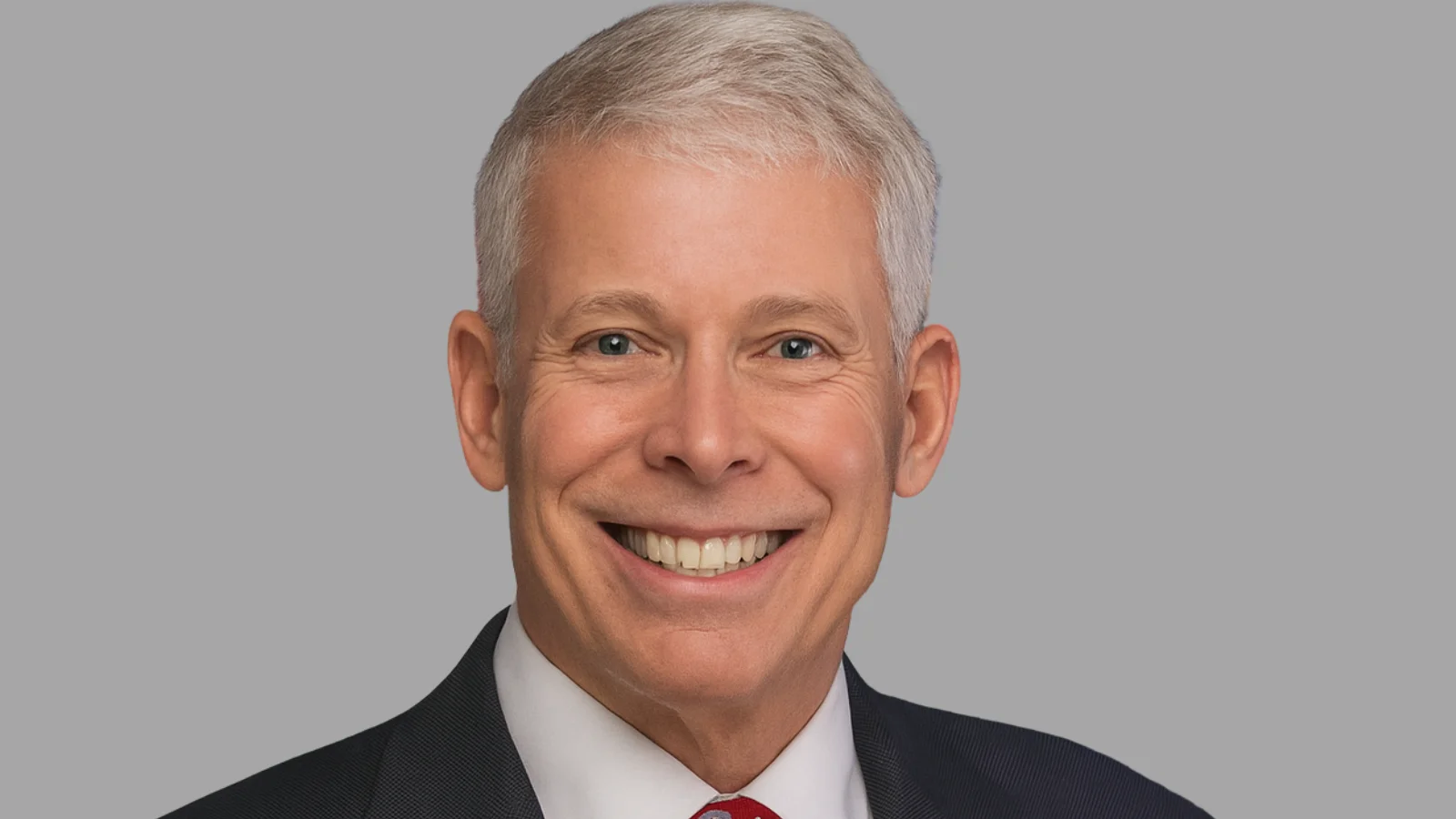
Energy Secretary Wright said, “The last administration’s energy subtraction policies had the United States on track to experience significantly more blackouts in the coming years — thankfully, President Trump won’t let that happen. The Trump administration will continue taking action to keep America’s coal plants running so we can stop the price spikes and ensure we don’t lose critical generation sources. Americans deserve access to affordable, reliable, and secure energy to heat their homes all the time, regardless of whether the wind is blowing or the sun is shining.”
A recent Department of Energy Resource Adequacy Report indicated that if trends continued from previous years, blackouts could increase substantially by 2030 as reliable power sources are retired.
The North American Electric Reliability Corporation (NERC) also noted in its 2025-2026 Winter Reliability Assessment that the WECC Northwest region faces increased risk during extreme weather events such as prolonged cold snaps.
The emergency order takes effect December 16, 2025, and remains active until March 16, 2026. According to NERC’s assessment, electricity demand during winter continues to rise across the U.S., with peak demand increasing by 2.5% since last year.