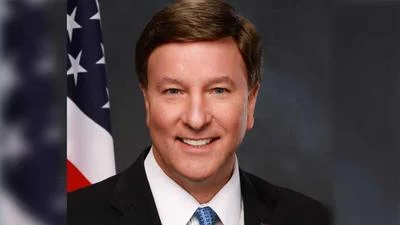
The Water Resources and Environment Subcommittee held its first hearing on the development of the Water Resources Development Act (WRDA) of 2026. Chairman Mike Collins (R-GA) delivered opening remarks, emphasizing the significance of WRDA in addressing water resources needs across the United States.
Collins highlighted that this hearing marks the beginning of a series aimed at gathering input from stakeholders nationwide regarding Army Corps Civil Works programs and maintaining a regular two-year WRDA schedule. He noted, "Today’s hearing is the first of a series that this subcommittee will hold before drafting a Water Resources Development Act (WRDA) for 2026. To kick off the WRDA 2026 process, today we have the opportunity to hear from stakeholders from across the nation about the importance of Army Corps Civil Works programs and maintaining a consistent two-year WRDA schedule."
He underscored the bipartisan nature of previous WRDA bills, stating, "Every two years since 2014, Congress has passed a bipartisan, consensus WRDA bill into law, helping communities across the country. I look forward to working once again with my colleagues on both sides of the aisle to continue this important tradition."
According to Collins, reliable water navigation systems are vital for shipping cargo safely and efficiently, which supports economic growth. Levees protect against flooding, while dams and reservoirs provide flood control, electricity, and recreational opportunities. He referenced Lake Lanier in Georgia as an example.
Collins also pointed out that WRDA 2024 contained several provisions relevant to Georgia and other states. These included authorizing a feasibility study for Tybee Island ecosystem restoration and storm damage risk reduction, as well as modifying studies for Savannah Harbor and New Savannah Bluff Lock and Dam.
He reported that in Georgia, 2025 was a record year for port activity: "In Georgia, 2025 was the busiest year on record for the Port of Savannah, and the Port of Brunswick became America’s number one port for automobiles." Collins argued that keeping to a consistent two-year WRDA cycle is crucial for ports to meet growing demand.
The chairman stressed collaboration among federal agencies, non-federal partners, and stakeholders in solving local water resource challenges: "An important part of the WRDA process is the partnership between the federal government, non-federal partners, and stakeholders who come together to solve local water resources needs."
He concluded by expressing interest in hearing from witnesses about how WRDA assists with flood control, inland navigation, coastal restoration, beach renourishment, and maritime transportation safety.
Further information about today's hearing—including video recordings and witness testimony—is available through the Transportation Committee's website.