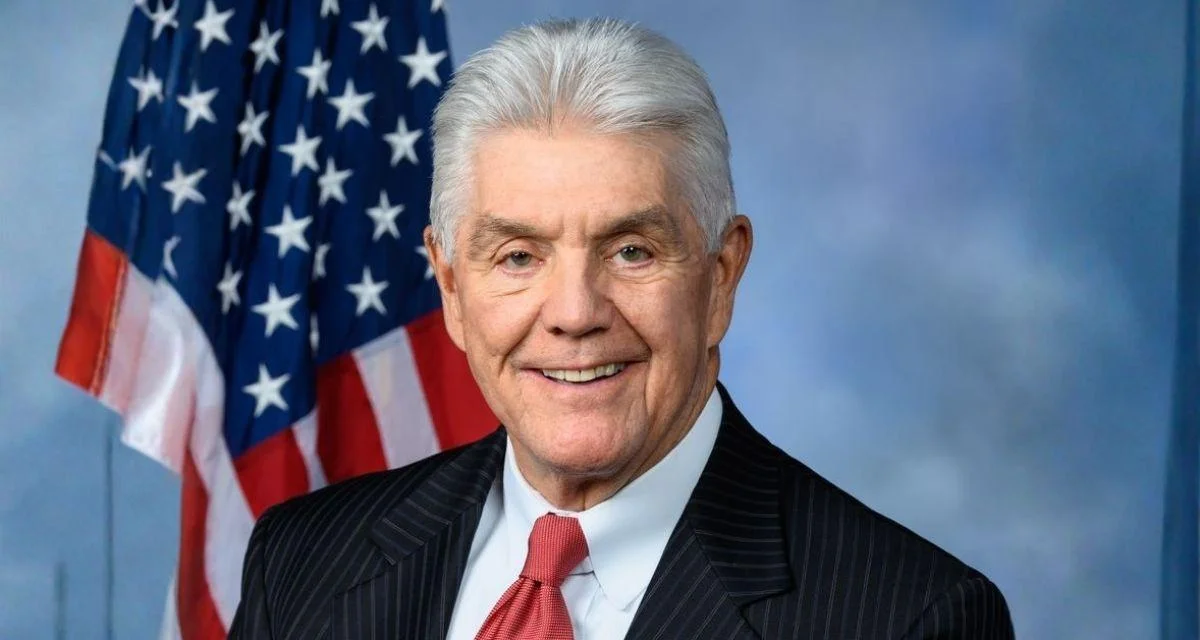
Coast Guard and Maritime Transportation Subcommittee Chairman Mike Ezell (R-MS) delivered opening remarks at a hearing focused on the rapid technological changes occurring in the maritime industry. The session, titled “Changes in Maritime Technology: Can the Coast Guard Keep Up?”, addressed both advancements such as autonomous technology and robotics, and new threats including drones and cyber-attacks.
Ezell noted that the adoption of these technologies is transforming the sector and emphasized the need for increased vigilance to address emerging risks. He recalled a previous hearing where it was highlighted that the United States Coast Guard must quickly develop regulatory frameworks to allow safe operation of new technologies.
The hearing featured several witnesses: Rear Admiral David C. Barata, Deputy Commandant for Operations Policy and Assistant Commandant for Intelligence at the U.S. Coast Guard; Rear Admiral Jason P. Tama, Commander of Coast Guard Cyber Command; Andrew Von Ah, Director of Physical Infrastructure at the Government Accountability Office; and Heidi C. Perry, Chair of a National Academies report on unmanned systems for Coast Guard missions.
According to Ezell, recent legislative initiatives and presidential leadership have accelerated efforts by the Coast Guard to adopt advanced technologies for future mission requirements, particularly in combating drug trafficking organizations. He referenced Force Design 2028 as the service’s strategic plan to modernize into an agile force capable of leveraging new technology.
"Today is an opportunity to understand how the Coast Guard will leverage new technologies through its initiatives like the creation of the Robotics and Unmanned Systems Office and the new Robotics Mission Specialist rating to meet future mission needs. We also hope to understand how the Coast Guard is adapting to meet national security needs and promote interoperability with Department of War efforts, like Operation Southern Spear," Ezell said.
He stressed that while innovations such as autonomous vessels and robotic aircraft are being adopted across federal agencies and military branches, it remains critical for the Coast Guard to ensure their safe integration into maritime transportation systems. This includes updating regulations related to unmanned barges, spaceport drone ships, and artificial intelligence applications in maritime operations.
"The Coast Guard’s collaboration and coordination with other agencies, as well as with state and local governments and industry stakeholders, will be essential to its ability to meet the known and not yet anticipated threats of the future," Ezell stated.
Further details from today’s hearing—including video coverage—are available online.