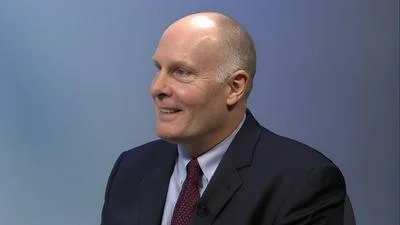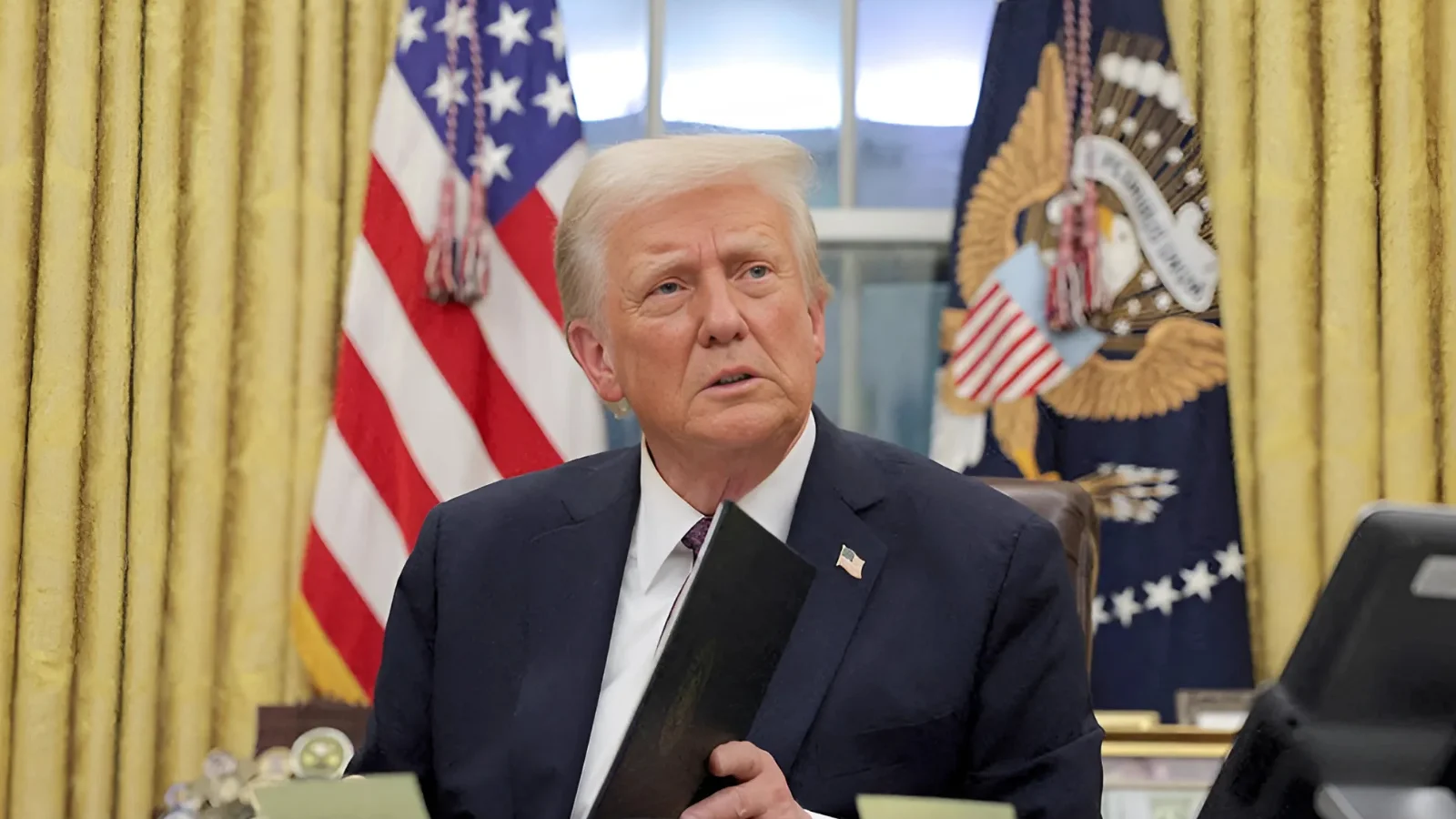
With President Donald Trump and Secretary of Energy Chris Wright at the helm, the U.S. Department of Energy (DOE) reports a period of increased energy production and lower consumer prices.
According to the DOE, gas prices have dropped to a four-year low, averaging about $2.90 per gallon. The department estimates that this will result in over $500 million in savings for Americans during the Christmas season. The United States now leads global oil and natural gas production, producing 24.2 million barrels of oil per day—more than Saudi Arabia and Russia combined—and 108 billion cubic feet of natural gas daily, matching the output of Russia, Iran, and China together.
On his first day in office, President Trump directed an end to the previous administration’s ban on liquefied natural gas (LNG) exports. Since January, DOE has approved additional LNG export capacity exceeding that exported by the world’s second-largest LNG exporter.
The department notes declines in prices for propane, kerosene, firewood, and fuel oil since Trump took office. Additionally, following passage of the Working Families Tax Cut, DOE is refilling and repairing the Strategic Petroleum Reserve after what it described as "reckless" depletion under the prior administration.
In May 2025, DOE proposed eliminating 47 regulations identified as increasing costs for consumers—a move estimated to save Americans $11 billion. In March 2025, four conservation standards were withdrawn for products including electric motors and ceiling fans.
A report released earlier this year by DOE indicated that before President Trump’s election there was a projected shortfall in reliable electricity generation with a significant increase in blackouts over five years if prior policies continued. In response to these concerns, "The Energy Department has issued 16 emergency orders to maximize grid reliability," according to officials.
DOE also halted plans that would have reduced hydroelectric power generation in the Columbia River Basin by more than 3,000 megawatts—enough electricity for about 2.5 million homes—and reallocated $365 million to address Puerto Rico’s ongoing grid crisis.
In September 2025, more than $13 billion previously allocated for clean energy initiatives was returned to the U.S. Treasury after being deemed unnecessary by current leadership.
Regarding coal policy changes: "Thanks to President Trump, wages for coal workers are up and coal plants across the country are reversing plans to shut down." By year-end 2025, more than 15 gigawatts of coal-powered electricity generation will remain operational due to these interventions.
To support nuclear energy development goals—including expanding American nuclear capacity from approximately 100 GW in 2024 to an anticipated 400 GW by 2050—the department awarded $800 million for small modular reactor deployment and closed a $1 billion loan supporting restart efforts at a Pennsylvania nuclear plant delivering 850 megawatts of power. Additional investments include pilot projects aimed at strengthening domestic supply chains for advanced nuclear fuels.
Efforts are also underway to reduce reliance on foreign critical minerals through funding opportunities totaling nearly half a billion dollars for domestic extraction technologies and supply chain enhancements announced throughout late 2025.
National security modernization includes completion ahead-of-schedule of key nuclear weapons programs such as assembly of the B61-13 gravity bomb and modernization work on submarine-based warheads. The National Nuclear Security Administration (NNSA) introduced two new supercomputers at Los Alamos National Laboratory intended to bolster national security research capabilities.
President Trump signed Executive Order 14363 directing DOE’s Genesis Mission—a flagship initiative integrating private-sector artificial intelligence with government scientific resources—to accelerate technological innovation domestically. In October 2025, DOE published its Fusion Science and Technology Roadmap outlining strategies toward commercializing nuclear fusion power within an accelerated timeframe.