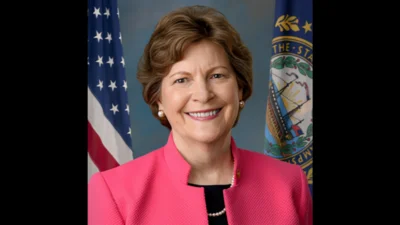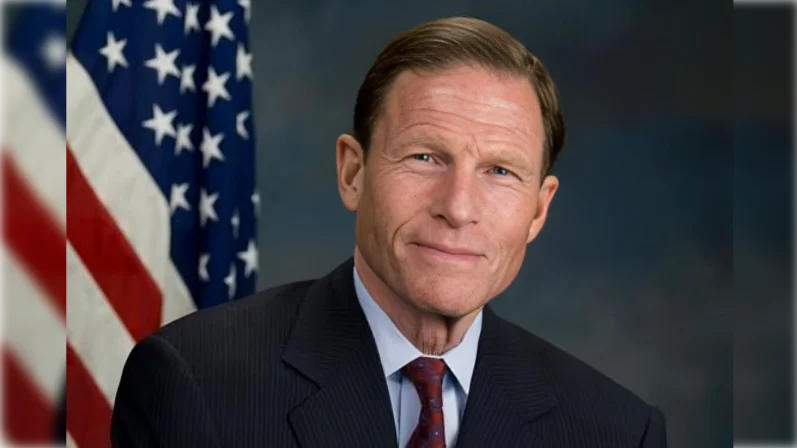
Senate Veterans’ Affairs Committee Ranking Member Richard Blumenthal (D-CT) and Senate Democratic Leader Charles Schumer (D-NY), along with 26 other senators, have asked the Government Accountability Office (GAO) to examine how recent health care policy changes could affect veterans and their families.
The request comes after Senate Republicans did not support an extension of enhanced premium tax credits under the Affordable Care Act (ACA), which help 267,000 veterans afford health coverage. The expiration of these credits, combined with upcoming cuts to Medicare and Medicaid, has raised concerns about increased costs and reduced access to care for millions of Americans, including veterans.
In their letter to GAO Comptroller General Gene Dodaro, the senators wrote: “The 2025 budget reconciliation bill, Public Law 119-21, or the ‘One Big Beautiful Bill Act’ (BBB), will reduce access to essential health care and supportive services for millions of Americans, including veterans and their families. Compounded with expiring enhanced premium tax credits for Affordable Care Act (ACA) health plans established by the American Rescue Plan Act of 2021 and extended by the Inflation Reduction Act of 2022, veterans are facing a life-threatening reduction in access to health care and other essential benefits. These reductions in access to private health insurance, Medicaid, and funding for community health services will result in more veterans relying more heavily on their Department of Veterans Affairs (VA) health care and benefits.”
According to data cited by the senators, up to 1.6 million veterans and four million family members use Medicaid or CHIP. Many are at risk of losing this coverage due to provisions in the BBB law. One in ten veterans under age 65 relies on Medicaid; forty percent depend on it as their only coverage option. If ACA premium tax credits expire without renewal, many of the estimated 267,000 affected veterans may be unable to afford marketplace insurance.
The letter also notes that women veterans who rely on Medicaid could be especially affected. Of the approximately 140,000 women veterans currently using Medicaid—nearly one in nine nationwide—many could lose coverage due to new restrictions.
Blumenthal and Schumer expressed concern about whether VA can handle an expected increase in demand for its services following recent workforce reductions at VA facilities. “Because of the recent catastrophic, unnecessary cuts to VA’s workforce and resources since January 20, 2025, we are deeply concerned about the Department’s capability to support this potential spike in utilization,” they wrote.
Recent reports indicate that up to 35,000 jobs at VA may be eliminated this month as part of administration policies under President Trump and Secretary Collins. More than 30,000 employees have already left between January and September due to hiring freezes or resignations.
The senators highlighted additional impacts from SNAP benefit changes under BBB. Currently around 1.2 million veteran households receive SNAP assistance; new work requirements may make it harder for some disabled or unemployed veterans to maintain eligibility.
The lawmakers requested that GAO review both immediate projections based on current usage rates as well as actual effects from these policy changes over time through fiscal year 2028. They asked that findings be broken down by factors such as age group, gender identity, household size or income level where possible.
They concluded: “It is critical for Congress, VA, and most importantly veteran households to understand how these recent changes will impact their access to essential health care and nutrition services... We look forward to working with you to conduct oversight on this important issue.”
The full text of their letter is available online.