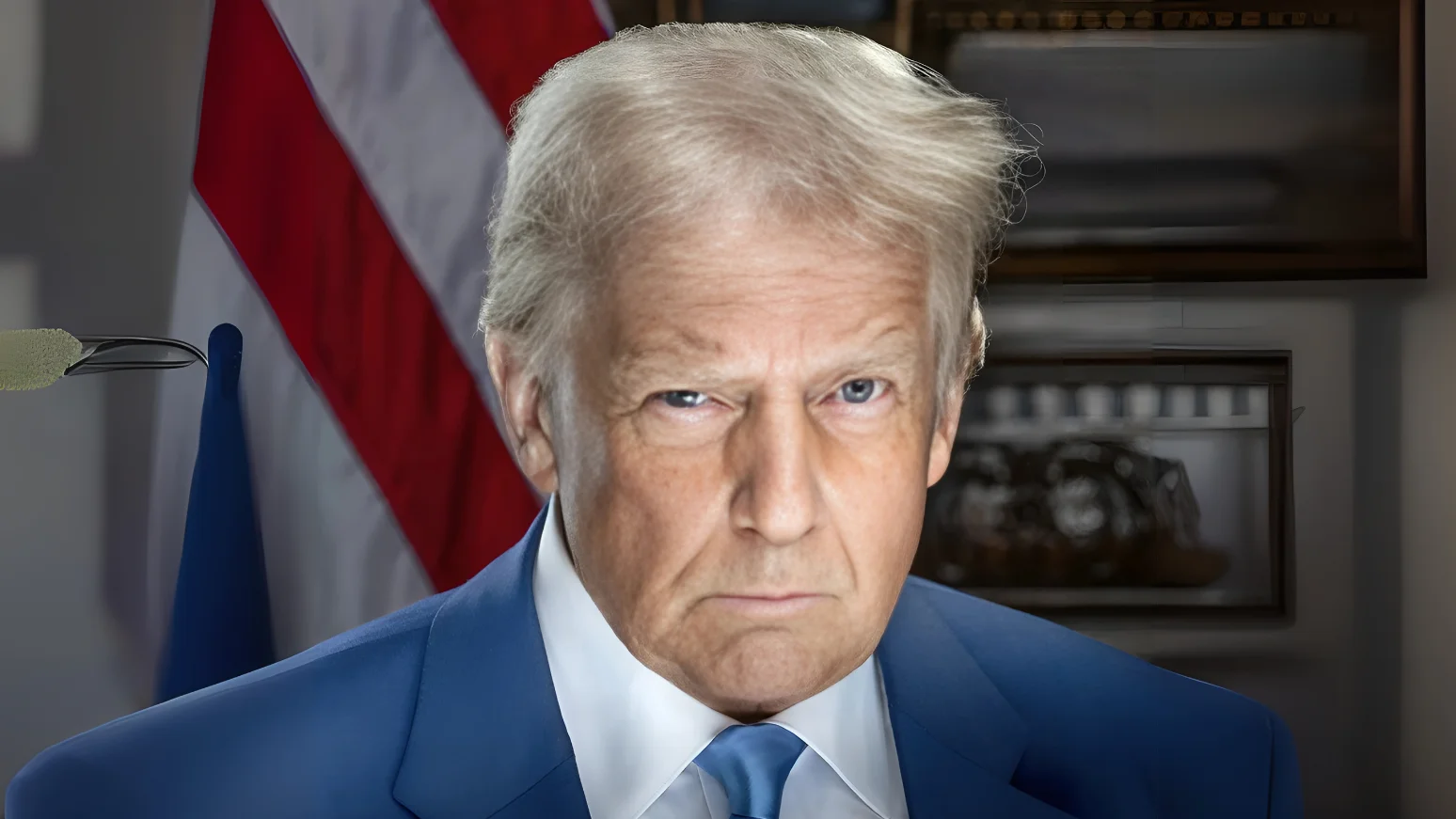
The White House has issued a memorandum outlining steps to ensure U.S. leadership in the development of 6G mobile communications technology. The document, signed by President Donald J. Trump, emphasizes the importance of 6G for national security, foreign policy, and economic growth.
According to the memorandum, “The next generation of mobile communications networks (6G) will be foundational to the national security, foreign policy, and economic prosperity of the United States. This technology will play a pivotal role in the development and adoption of emerging technologies like artificial intelligence, robotics, and implantable technologies. 6G will also provide faster, more resilient, and more secure communication networks that can be utilized for national security and public safety purposes.”
The policy aims for the United States to lead globally in 6G development. It directs federal agencies to advance American interests in international standards bodies related to 6G and to identify radiofrequency spectrum that could be harmonized internationally for these networks.
To facilitate this goal, the Assistant Secretary of Commerce for Communications and Information is tasked with studying how federal systems operating between 7.125-7.4 GHz can be relocated to other frequencies without compromising national security or electric grid operations. The results are due within twelve months.
Additionally, certain systems at fixed geographic sites used for satellite telemetry uplink and radio astronomy are exempt from these relocation requirements.
Under section 40002(c)(2)(A) of the One Big Beautiful Bill Act (Public Law 119-21), the Assistant Secretary is instructed to begin reallocating spectrum in the 7.125-7.4 GHz range for commercial use immediately.
Further studies are ordered on other frequency bands—specifically 2.69-2.9 GHz and 4.4-4.94 GHz—to determine their suitability for commercial applications.
On an international level, the Secretary of State is directed to work with other administration officials and industry partners to build coalitions supporting U.S. positions at upcoming global telecommunications conferences.
President Trump concludes: “This memorandum shall be implemented consistent with applicable law and subject to the availability of appropriations.”
The memorandum clarifies it does not affect existing legal authorities or create enforceable rights against any government entity.