Lawmakers from the Subcommittee on Military and Foreign Affairs have released a staff report examining the causes of a fatal mid-air collision between American Airlines flight 5342 and a U.S. Army UH-60 Black Hawk helicopter near Washington, D.C. The incident occurred on January 29th, resulting in calls for greater oversight of military operations within civilian airspace.
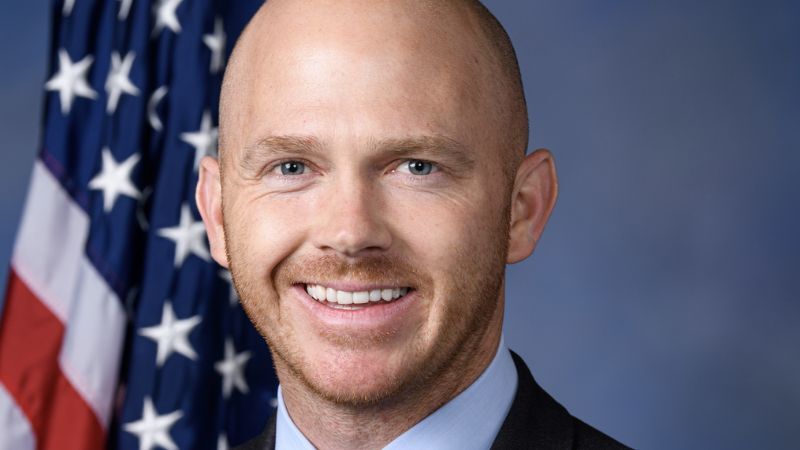
The report, titled “The DCA Incident: Assessing the Military’s Role in the National Airspace Tragedy,” was presented by Chairman William Timmons (R-S.C.) and Ranking Member Suhas Subramanyam (D-Va.). It reviews procedural, regulatory, and operational failures within the Department of Defense (DoD) that may have contributed to the crash.
Following its investigation, the subcommittee is urging the DoD Inspector General to conduct a comprehensive review of all military operations in U.S. civilian airspace with an emphasis on safety, coordination, and compliance.
“The tragic accident at DCA on January 29th and thirty near misses overall have revealed that the military’s current operations fall woefully short of keeping both military personnel and American civilians safe in Washington, D.C. airspace. Several briefings on this issue have highlighted the pressing need for clearer military flight protocols, enhanced training, and regular audits of flight operations and capabilities within the DoD. It is crucial that military personnel are given the tools and training they need to navigate this complex airspace and prevent accidents and miscommunications like these from ever happening again. The Subcommittee on Military and Foreign Affairs remains committed to this investigation and is upholding its responsibility to conduct oversight of U.S. military operations to ensure that both members of the military and civilians remain safe when sharing the nation’s skies,” said Timmons and Subramanyam.
Key findings from the report include:
- Communication problems between Black Hawk pilots and air traffic control contributed to the crash. A preliminary report by the National Transportation Safety Board (NTSB) found discrepancies in altitude reports by helicopter crew members. Additionally, instructions from air traffic control may not have been fully heard by pilots due to cockpit noise.
- The use of night vision goggles limited Black Hawk pilots’ ability to detect other aircraft visually. Expert testimony during an NTSB hearing indicated these goggles make it difficult for pilots to see approaching aircraft or distinguish critical anti-collision lights.
- The Black Hawk was not transmitting Automatic Dependent Surveillance-Broadcast (ADS-B) Out signals at the time of collision. This lack prevented other aircraft operators from detecting its presence using electronic systems.
- Army pilots lacked specific knowledge about approaches into Ronald Reagan Washington National Airport (DCA), which complicated their ability to safely operate in shared airspace.
- A direct communication hotline between Pentagon controllers and DCA was offline due to construction work at a new control tower at the Pentagon—a factor which hampered effective coordination during incidents.
The subcommittee recommends that an independent evaluation be conducted by the DoD Inspector General into how well established aviation safety protocols are being followed during military use of civilian airspace. Such a review would help identify risks as well as opportunities for improving safety for both civilian passengers and military personnel.
A full version of their report can be accessed online along with their letter addressed to Inspector General Moring.