The U.S. Department of Labor's Occupational Safety and Health Administration (OSHA) has released seven letters of interpretation to clarify federal workplace safety and health standards. This initiative is part of the Trump Administration's focus on compliance assistance, providing official explanations for how OSHA's requirements apply to specific situations in the workplace.
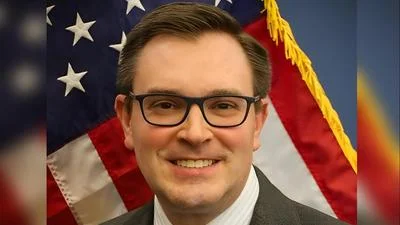
Deputy Labor Secretary Keith Sonderling emphasized the importance of these letters, stating, "From construction to engineering, OSHA is providing decisive guidance after gathering feedback from employers, demonstrating our opinion letter program has already been effective." He added that this effort is a key component of the administration's strategy to educate the public and empower employers to ensure worker safety.
The letters address various scenarios, including whether confined space standards require water drainage from pipes before repairs when no risk is assessed, and the enforcement status of COVID-19 reporting requirements under 29 CFR 1910.502. They also cover topics such as training programs for powered industrial trucks via live-streaming, using software-generated documents for OSHA Forms 300 and 300A, engineering controls under benzene standards, audiometric testing for workers with cochlear implants, and stair angle compliance with OSHA standards.
In June, Deputy Secretary Sonderling announced the launch of the department’s opinion letter program. This initiative aims to provide valuable compliance assistance to help workers and employers understand how federal labor laws apply in specific workplace contexts. The public can review previous guidance or submit new requests through OSHA’s Letters of Interpretation page at https://www.osha.gov/laws-regs/standardinterpretations/.
These letters aim to support compliance and training requirements across various industries by offering clear explanations that contribute to worker safety.