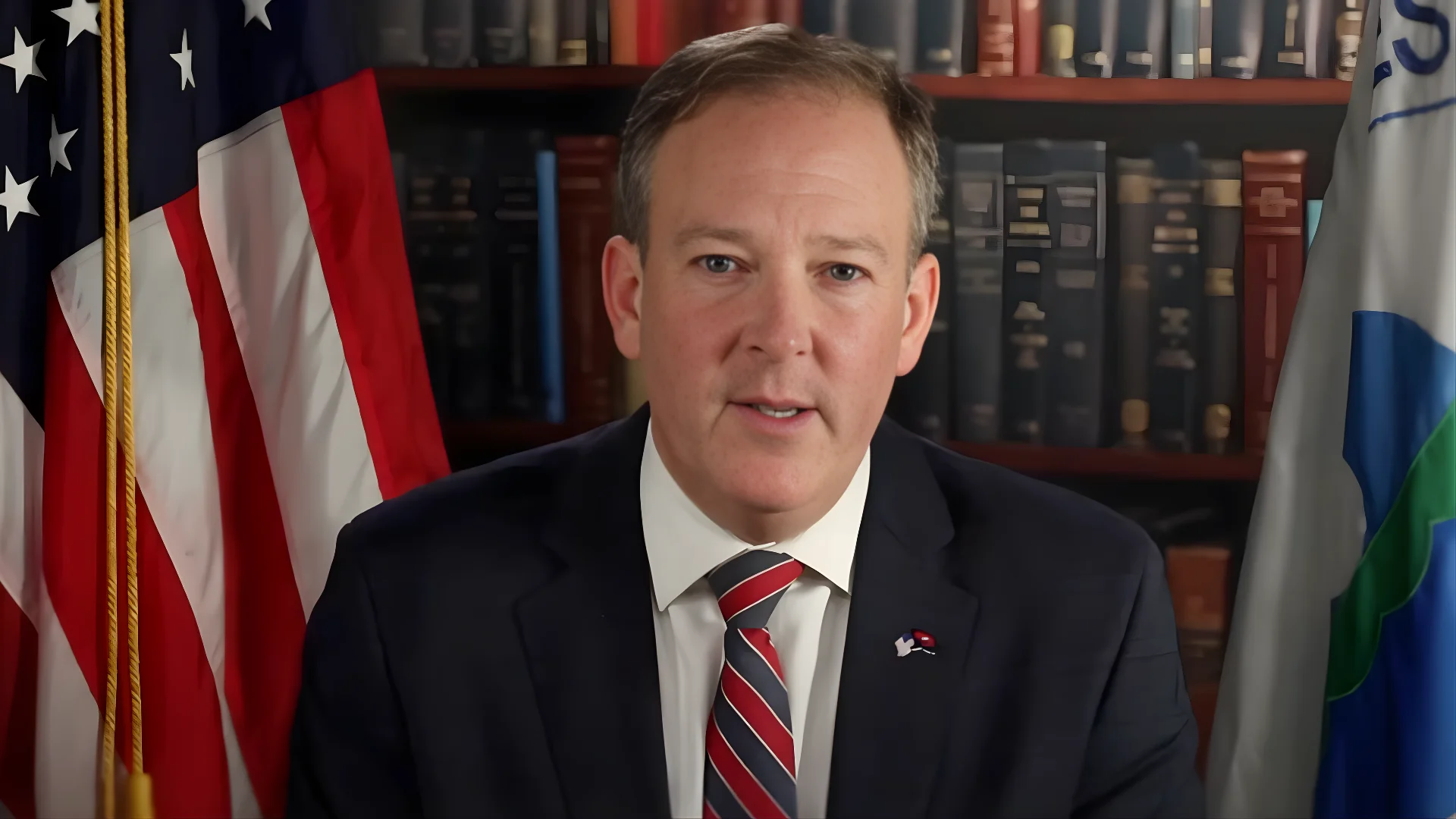
On Christmas Eve, Lee Zeldin, Administrator of the U.S. Environmental Protection Agency (EPA), shared an op-ed in The Hill emphasizing the agency's commitment to reducing food waste in the United States. According to Zeldin, about one-third of all food produced in the country is discarded annually. To address this issue, the EPA has introduced the Feed It Onward initiative aimed at redirecting surplus food to individuals and organizations that can utilize it effectively.
Zeldin said, "As Americans gather throughout the holiday season, we are surrounded by the traditions that bring families and communities together... Good, nutritious food should be consumed, not wasted." He highlighted that when surplus food is managed efficiently, it provides healthy meals for families and creates new opportunities for farmers and businesses.
The initiative seeks to connect excess food with those who need it most. Zeldin cited Kansas City as a successful example where local efforts have diverted millions of pounds of food from landfills. Organizations like Kanbe’s Markets and Pete’s Garden have been instrumental in ensuring that good-to-eat produce reaches neighborhood stores and repackaging surplus meals into take-home dinners for families.
Zeldin also mentioned his visit to Scott Air Force Base in Southern Illinois for the launch of EPA’s first Feed It Onward Partnership with Frey Farms. This collaboration redirected produce labeled as 'imperfect' away from landfills to military families instead.
Efforts to reduce food waste extend beyond local initiatives. Zeldin noted collaborations with major venues such as Talladega Superspeedway and Orlando Magic's Kia Center to redirect surplus food. He emphasized that effective planning can transform excess food into valuable community resources even in high-volume environments.
Globally, there is growing interest in tackling food waste. At a recent G7 meeting in Toronto, international counterparts expressed their desire to learn from U.S. efforts on this front. As upcoming events like the 2026 FIFA World Cup and 2028 Olympic Games approach, Zeldin sees these as opportunities to showcase national progress in reducing food waste.
"The holiday season underscores why this effort matters," Zeldin concluded. "Every community wants good food to reach families who can use it."