The U.S. Environmental Protection Agency (EPA) has announced plans to regulate various uses of five phthalate chemicals, citing risks to workers and the environment. The decision follows comprehensive risk evaluations for Butyl Benzyl Phthalate (BBP), Dibutyl Phthalate (DBP), Dicyclohexyl Phthalate (DCHP), Diethylhexyl Phthalate (DEHP), and Diisobutyl Phthalate (DIBP). These chemicals are commonly used to make plastics more flexible in a range of applications.
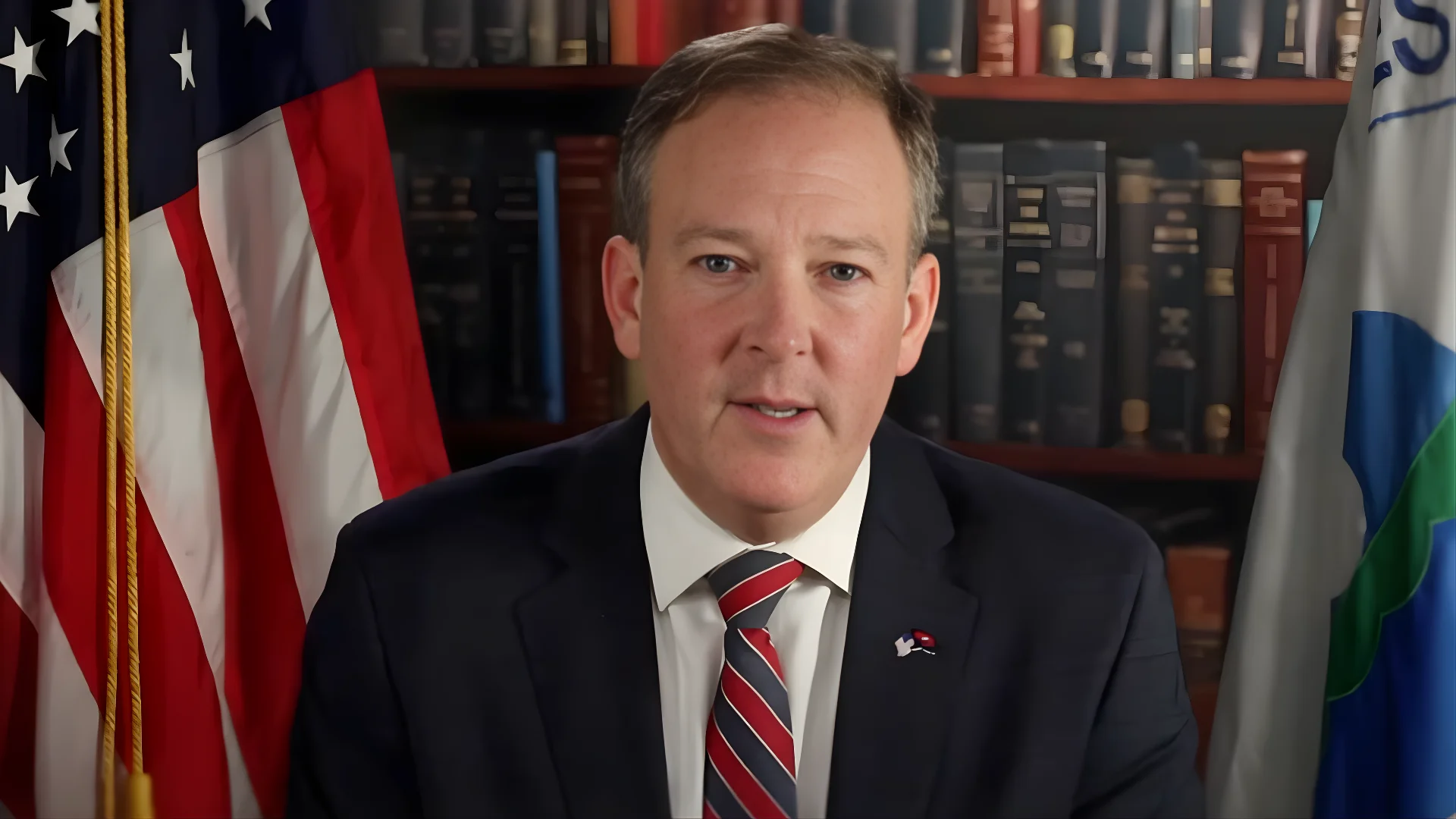
EPA Administrator Lee Zeldin said, "Our gold standard science delivered clear answers that these phthalates pose unreasonable risk to workers in specific industrial settings and to the environment." The agency aims to collaborate with stakeholders to develop protections that safeguard workers and the environment.
Phthalates have been linked to health issues such as hormone deficiencies and endocrine disruption. However, the EPA notes that these impacts do not occur at all exposure levels. The risk is determined by whether exposure exceeds levels that could cause health problems.
Under the Toxic Substances Control Act (TSCA), the EPA's evaluation focuses on regulated uses under federal chemical safety law, excluding exposures from food, medical devices, cosmetics, and other consumer products overseen by other agencies. For consumer uses evaluated under TSCA, no products were found with exposure levels causing unreasonable risk to the general population.
The EPA enhanced its dermal modeling using human data instead of rodent data based on peer review feedback. A cumulative exposure analysis considered multiple phthalates for individuals aged four years and older. While national-scale biomonitoring data for children under four is unavailable, conservative modeling assessed toy mouthing behaviors in infants and toddlers.
The EPA will now work on rules to address identified risks through consultations with workers, businesses, labor groups, and communities. Measures like personal protective equipment and engineering controls will be evaluated for effective solutions.