The U.S. Environmental Protection Agency (EPA) has announced a new agreement, Minute 333, between the United States and Mexico to address the Tijuana River sewage crisis. This agreement is part of efforts to end the decades-long issue of untreated sewage flowing from Mexico into Southern California, which has led to beach closures and health issues.
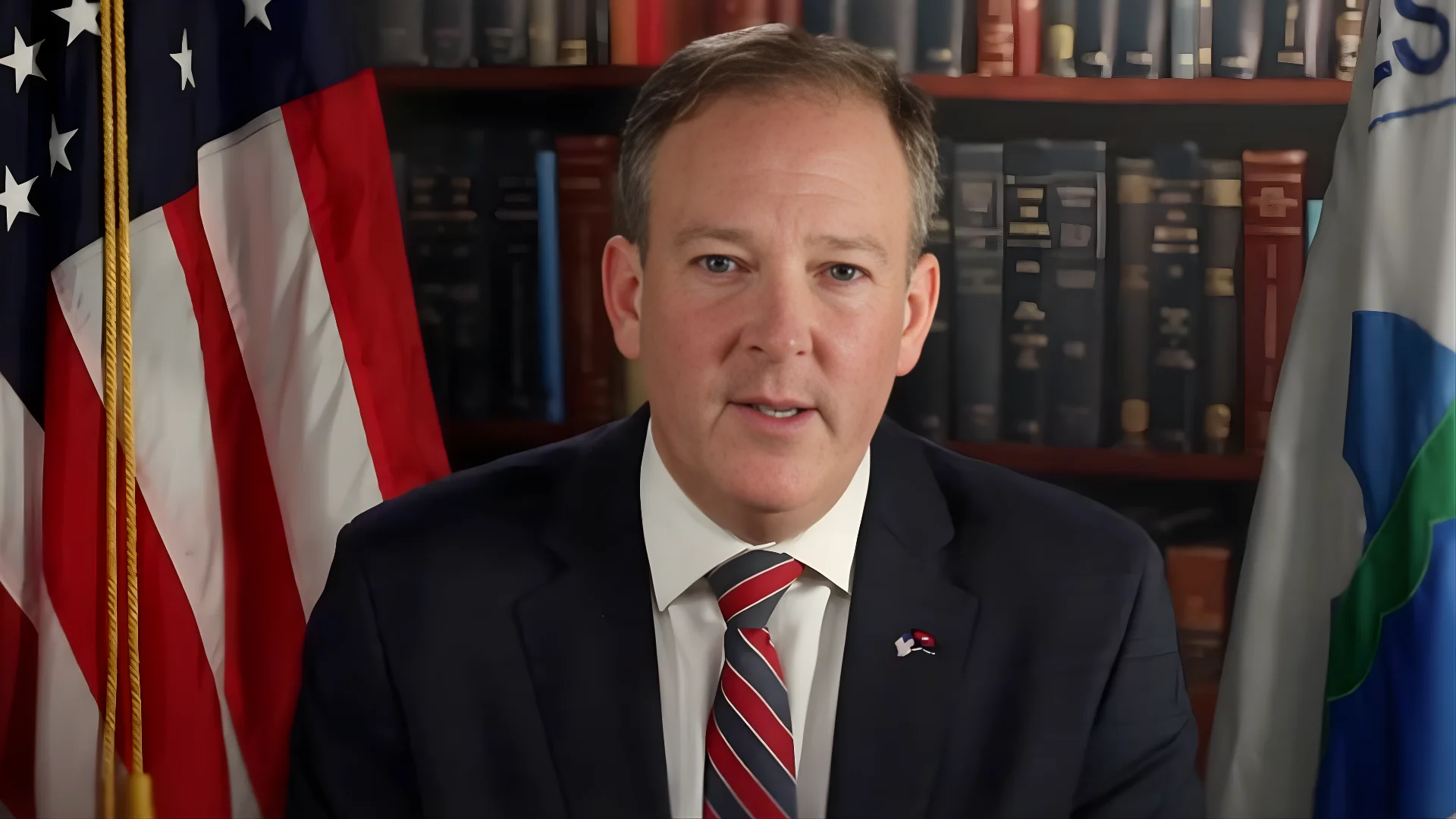
Minute 333 includes infrastructure projects, research, and planning for future population growth in Tijuana. The agreement was reached quickly under the Trump Administration, meeting a deadline set in a Memorandum of Understanding (MOU) signed by EPA Administrator Lee Zeldin and Mexico's Secretary of Environment Alicia Bárcena Ibarra. It codifies all elements identified in Section 4 of the MOU as part of a comprehensive solution.
The agreement does not require additional U.S. taxpayer funding for Mexican projects. It outlines several actions, such as creating an operations account at the North America Development Bank and developing a Tijuana water infrastructure master plan within six months. A binational working group will assess constructing an ocean outfall for the San Antonio de los Buenos Wastewater Treatment Plant.
EPA Administrator Lee Zeldin emphasized that Minute 333 addresses population growth concerns in Tijuana. Deputy Secretary of State Christopher Landau highlighted it as evidence of tangible results under President Trump's leadership. U.S. Ambassador Ron Johnson praised the collaboration with Mexico for achieving real solutions.
USIBWC Commissioner Chad McIntosh noted improvements at the San Diego plant and Mexico's commitment to project completion ahead of schedule would enhance health and safety in Southern California.