The House Appropriations Committee has released the conferenced versions of the Commerce, Justice, Science; Energy and Water Development; and Interior and Environment Appropriations Act for Fiscal Year 2026. The package was negotiated on a bipartisan and bicameral basis and is intended to fund U.S. energy initiatives, nuclear deterrence, law enforcement, drug control efforts, access to critical minerals, wildland firefighters, and land management.
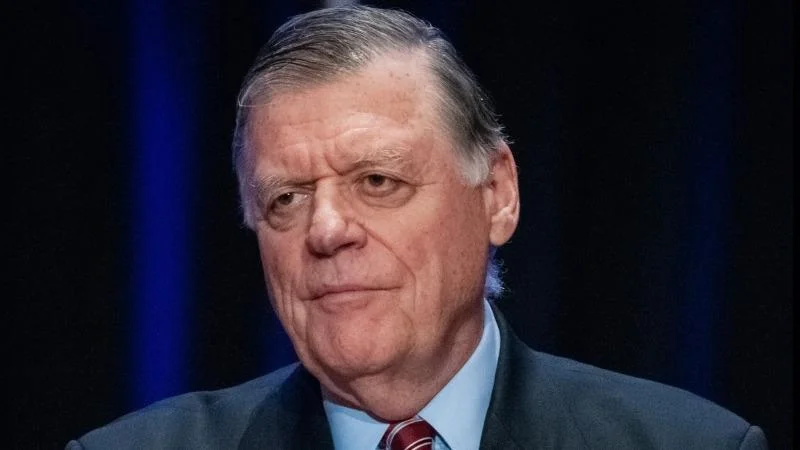
Chairman Tom Cole stated, “President Trump set an important foundation by signing three appropriations bills into law in November, and we are carrying that momentum into the new year. This bipartisan, bicameral package reflects steady progress toward completing FY26 funding responsibly. It invests in priorities crucial to the American people: making our communities safer, supporting affordable and reliable energy, and responsibly managing vital resources. It also delivers critical community projects nationwide, along with investments in water infrastructure, ports, and flood control that protect localities and keep commerce moving. Developed through committee-led negotiations and thoughtful deliberation, this package demonstrates how an accountable process produces strong policy. I commend our Cardinals for their leadership in producing a measure that turns priorities into action and puts America first.”
The committee emphasized that these three bills help maintain progress toward passing all 12 annual appropriations measures for fiscal year 2026. The process was described as transparent and member-driven rather than relying on large omnibus packages decided behind closed doors.
Differences between House and Senate versions of the relevant appropriations bills were resolved through bipartisan negotiations led by both chambers’ appropriators. The legislation contains no controversial provisions known as “poison pills,” while maintaining existing policy riders related to abortion restrictions and gun rights.
This spending package is part of an agreement to keep total fiscal year 2026 spending below levels projected under the current continuing resolution. Full-year appropriations are seen as necessary to implement Republican priorities aligned with the Trump Administration.
The House Committee on Appropriations manages federal spending legislation through its twelve subcommittees covering specific areas of government funding since its establishment in 1865. The committee includes both Republican members such as Harold Rogers and Democratic members like Steny Hoyer (official website). Tom Cole serves as chairman of the committee (official website), marking him as the 43rd person to hold this position (official website). The committee is responsible for drafting annual spending bills that allocate funds for government operations (official website)—including guidance for community project funding requests—and plays a key role during government shutdowns by advancing funding extension legislation (official website). Operating within the legislative branch since December 11, 1865 (official website), it influences policy through passage of funding legislation such as continuing resolutions (official website).
The text of each bill included in this three-bill package is available online.