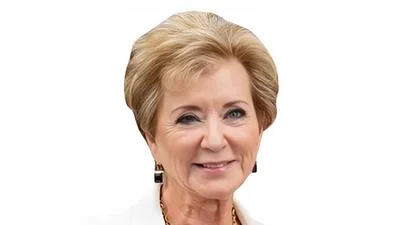
Deputy Secretary of Health and Human Services Jim O’Neill, serving as Acting Director of the Centers for Disease Control and Prevention (CDC), has signed a decision memorandum to update the U.S. childhood immunization schedule. This move follows a directive from President Trump, who asked federal health officials to review vaccination practices in peer developed nations and consider changes if better approaches were identified.
The directive was issued on December 5, 2025, instructing both the Secretary of Health and Human Services (HHS) and the CDC’s Acting Director to examine how other developed countries structure their childhood vaccine schedules. The review also evaluated the scientific evidence supporting these international practices.
The assessment process involved consultations with health ministries abroad and input from several senior U.S. health officials: National Institutes of Health Director Dr. Jay Bhattacharya, Food and Drug Commissioner Dr. Marty Makary, and Centers for Medicare & Medicaid Services Administrator Dr. Mehmet Oz.
“President Trump directed us to examine how other developed nations protect their children and to take action if they are doing better,” said Secretary Robert F. Kennedy Jr. “After an exhaustive review of the evidence, we are aligning the U.S. childhood vaccine schedule with international consensus while strengthening transparency and informed consent. This decision protects children, respects families, and rebuilds trust in public health.”
The scientific review compared current U.S. recommendations with those in 20 peer countries, focusing on vaccine uptake rates, public trust levels, clinical outcomes, mandates, and existing knowledge gaps about vaccines.
Findings show that the United States recommends more childhood vaccines—and more total doses—than any other developed country but does not achieve higher vaccination rates than its peers. Some European countries recommend significantly fewer vaccines yet maintain high vaccination coverage through education and public trust rather than mandates; Denmark immunizes against 10 diseases while the U.S., as of 2024, covered 18 diseases.
“After reviewing the evidence, I signed a decision memorandum accepting the assessment’s recommendations,” said Acting CDC Director Jim O’Neill. “The data support a more focused schedule that protects children from the most serious infectious diseases while improving clarity, adherence, and public confidence.”
Under these new recommendations, CDC will continue to categorize childhood immunizations into three groups: those recommended for all children; those for certain high-risk groups or populations; and those based on shared clinical decision-making between doctors and families. Insurance companies will still be required to cover all recommended vaccines without cost-sharing.
“All vaccines currently recommended by CDC will remain covered by insurance without cost sharing,” said Dr. Oz. “No family will lose access. This framework empowers parents and physicians to make individualized decisions based on risk, while maintaining strong protection against serious disease.”
The assessment also noted declining public trust in healthcare institutions between 2020-2024 along with falling childhood vaccination rates during this period.
“Public health works only when people trust it,” said Dr. Makary. “That trust depends on transparency, rigorous science, and respect for families. This decision recommits HHS to all three.”
There is also an emphasis on advancing research quality regarding vaccines; agencies are called upon to fund more placebo-controlled randomized trials as well as long-term studies examining vaccine benefits and risks.
“Science demands continuous evaluation,” said Dr. Jay Bhattacharya. “This decision commits NIH, CDC, and FDA to gold standard science, greater transparency, and ongoing reassessment as new data emerge.”
HHS and CDC plan to work with state agencies and medical organizations on implementing these changes while providing updated guidance for parents and clinicians.