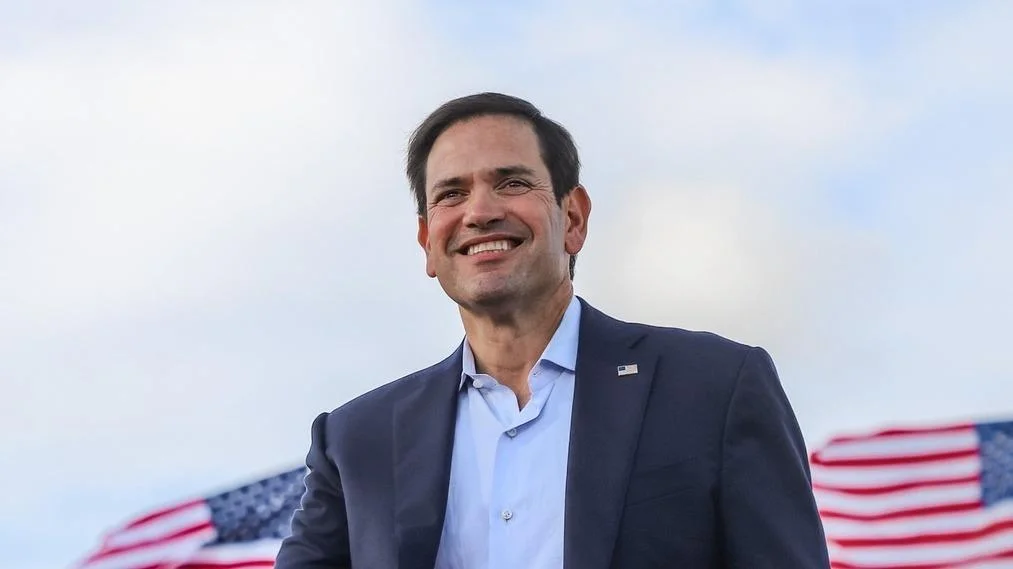
Secretary of State Marco Rubio and Secretary of War Pete Hegseth addressed the press on January 7, 2026, to discuss recent U.S. actions and strategy regarding Venezuela and other foreign policy issues.
Rubio explained that some details had been discussed behind closed doors due to operational security. He outlined a three-step process for U.S. involvement in Venezuela: stabilization, recovery, and transition. According to Rubio, "Step one is the stabilization of the country. We don’t want it descending into chaos." He said that part of this effort involves a quarantine on Venezuelan oil exports enforced by U.S. sanctions.
Rubio detailed a plan where the United States would take between 30 and 50 million barrels of sanctioned Venezuelan oil, sell it at market rates, and control how the proceeds are distributed to benefit the Venezuelan people rather than government officials or corruption. "We have a lot of leverage to move on the stabilization front," he said.
The second phase focuses on economic recovery and reconciliation within Venezuela. Rubio stated this includes providing access for American and Western companies to the Venezuelan market and beginning a process for amnesty and release of opposition forces.
"The third phase, of course, will be one of transition," Rubio added.
In response to questions about criticism from senators who claimed there was no clear plan for Venezuela, Rubio countered: "It’s not just winging it...it’s already happening." He pointed out ongoing enforcement measures against Venezuela’s state oil company PDVSA as an example.
Asked about Denmark’s offer regarding Greenland and whether military intervention was being considered, Rubio said he would meet with Danish officials next week but declined further comment: "I’m not here to talk about Denmark or military intervention."
On whether the U.S. intends to buy Greenland, Rubio referenced historical interest in acquiring Greenland by past presidents: "This is not new; [the President] talked about it in his first term."
Rubio also addressed concerns about possible military action affecting NATO alliances: "Every president retains the option...if the President identifies a threat to national security...to address it through military means." However, he emphasized diplomatic solutions were preferred.
When asked if continued U.S. involvement in Venezuela would result in costs for American taxpayers, Rubio replied that current operations do not add expenses beyond normal military deployments: "These troops are going to be – none of these troops sit in a dry dock waiting for action...That’s what the Navy does."
Hegseth echoed this sentiment by stating that questions about cost are rarely raised when forces operate elsewhere globally: "But now that they’re in our hemisphere on a counter-cartel mission...now you’re asking the question of cost."
Regarding ongoing operations against Venezuelan oil shipments, Hegseth confirmed readiness for further actions: "Our military is prepared to continue this." He also highlighted recent seizures of sanctioned or stateless vessels as evidence of active enforcement.
Rubio concluded by noting that interim authorities in Venezuela recognize their dependence on cooperation with the United States for economic stability: "They understand – they understand that the only way they can move oil and generate revenue and not have economic collapse is if they cooperate and work with the United States."
The press conference ended as both secretaries left to brief members of Congress on these developments.