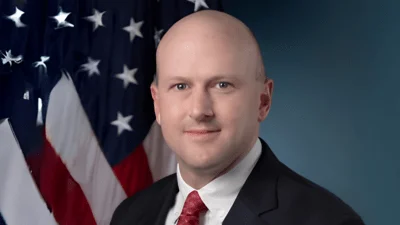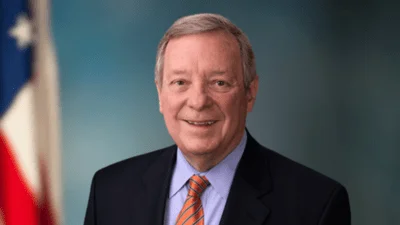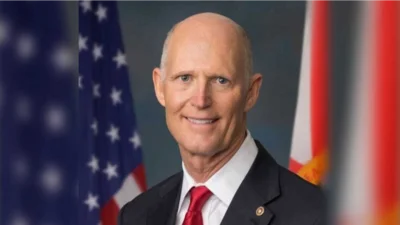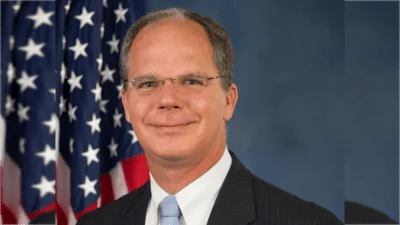
Senate Democrats have begun an investigation into communications between major U.S. oil companies and the Trump Administration regarding recent military action in Venezuela and subsequent plans to invest in Venezuelan oil production. The inquiry is led by Senator Sheldon Whitehouse (D-RI), Ranking Member of the Senate Environment and Public Works Committee, along with Senators Ron Wyden (D-OR), Elizabeth Warren (D-MA), Bernie Sanders (I-VT), Brian Schatz (D-HI), and Peter Welch (D-VT).
The senators are seeking documents from several large oil and oilfield services companies, including BP America Inc., Baker Hughes, Chevron, Citgo Petroleum Corporation, ConocoPhillips, Continental Resources, ExxonMobil, Halliburton, SLB, Shell USA, Inc., and Weatherford International. They are requesting information about what these companies knew regarding the strikes in Venezuela, their communications with Trump Administration officials before and after the operation, and any plans to invest in Venezuelan oil.
The Trump Administration has stated that its military efforts in Venezuela are connected to U.S. fossil fuel industry interests. President Trump confirmed that his administration engaged with all major U.S. oil companies on Venezuela policy both before and after last week’s operation. Reports indicate that oil companies were briefed ten days prior to the land strikes and again within a day after the strikes.
Shortly after the strikes took place, President Trump announced that U.S. oil companies would "have a presence in Venezuela as it pertains to oil" and would "get the oil flowing." Department of Energy Secretary Chris Wright later stated that the United States will control Venezuelan oil sales "indefinitely." President Trump also suggested that federal reimbursements may be provided to help cover costs for rebuilding Venezuelan oil infrastructure—a move that could cost American taxpayers billions more through subsidies for the fossil fuel industry.
In a letter addressed to company executives, the senators wrote: “President Trump’s own statements justifying the operation in terms of access to foreign energy resources and benefits to the U.S. oil industry, reported repeated engagement between industry and government, and the suggestion that taxpayers could pay the cost of rebuilding Venezuela’s oil infrastructure raise serious concerns about how the Trump Administration engaged with the oil companies prior to his decision to use military force in Venezuela. We would like to know the extent to which U.S. oil and gas companies such as yours had either advance knowledge of or the ability to shape American foreign policy decisions—especially given that Congress was kept in the dark concerning the use of force until after the strikes occurred.”
The deadline for responses is January 21, 2026.
The Senate Environment and Public Works Committee plays a key role in overseeing federal programs related to environmental protection and infrastructure development through specialized subcommittees focused on pollution control, water resources, transportation infrastructure, environmental quality, natural resources conservation, clean air initiatives, public works projects, wildlife protection regulations and nationwide legislative review (official website). The committee operates from its administrative base at 410 Dirksen Senate Office Building in Washington D.C., under current chair Shelley Moore Capito (official website).
Full letters sent by senators are available for BP America Inc., Baker Hughes, Chevron, Citgo Petroleum Corporation, ConocoPhillips, Continental Resources, ExxonMobil, Halliburton, SLB, Shell USA Inc., and Weatherford International.