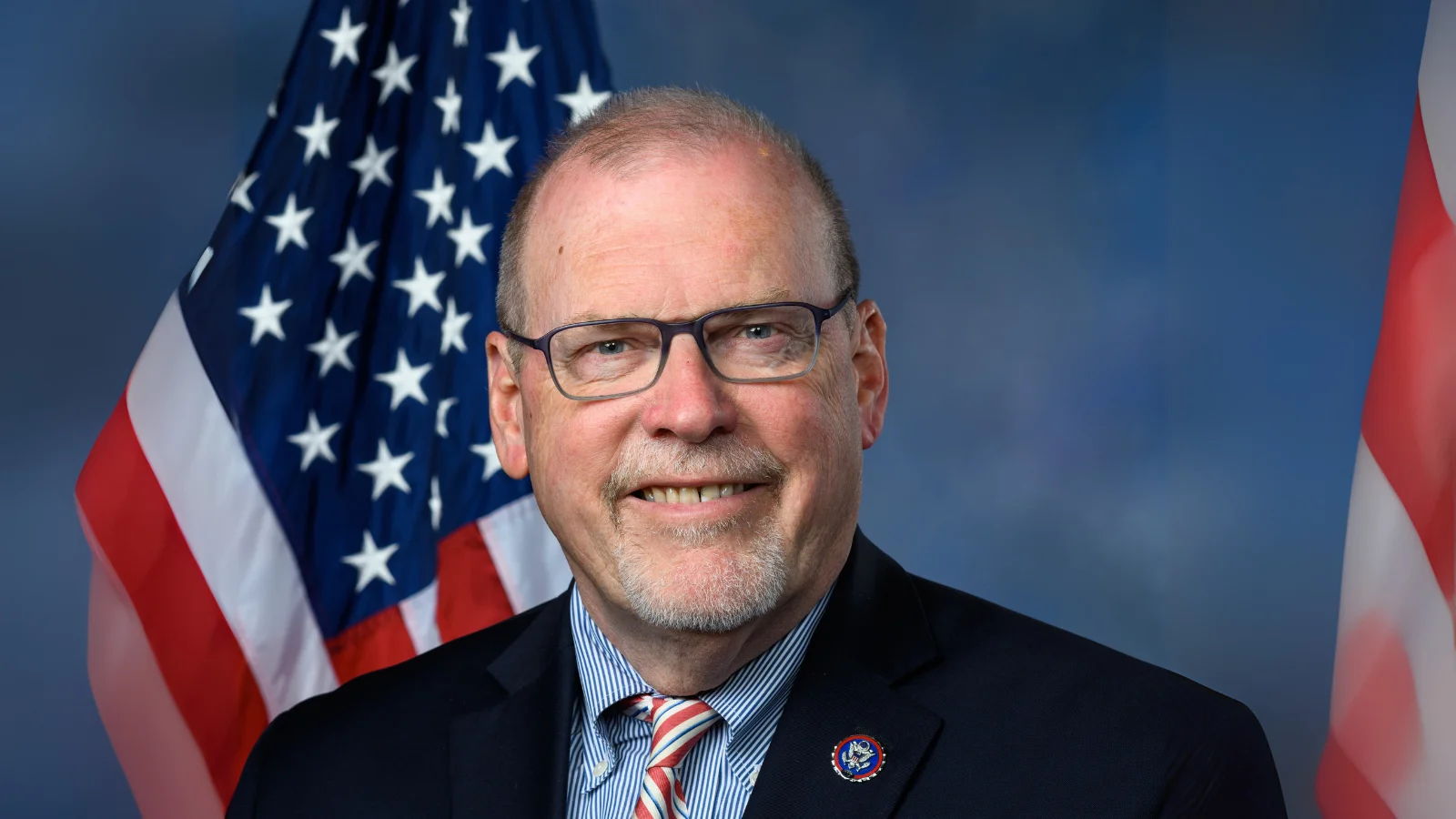
Congressman Morgan Griffith, Chairman of the House Energy and Commerce Subcommittee on Health, opened a hearing in Washington, D.C. to review ten legislative proposals intended to improve patient access to Medicare services.
Griffith emphasized the importance of adapting Medicare policies as the population ages. "Ensuring beneficiaries can obtain timely, cost-effective services is essential to fulfilling Medicare’s promise," he said.
Several bills under discussion focus on increasing access to durable medical equipment (DME), such as wheelchairs and oxygen equipment. Griffith highlighted H.R. 1703, the Choices for Increased Mobility Act, led by Dr. Joyce from Pennsylvania. This bill would create a new billing code for ultralightweight wheelchairs made from materials like titanium or carbon fiber, allowing Medicare to cover part of the costs upfront instead of requiring patients to pay out-of-pocket and seek reimbursement later.
Another measure, H.R. 2477—the Portable Ultrasound Reimbursement Equity Act—sponsored by Representative Van Duyne from Texas, aims to provide Medicare reimbursement for portable ultrasound transportation and services. Griffith stated this would help seniors receive necessary care.
Representative Miller-Meeks from Iowa introduced H.R. 2005, the DMEPOS Relief Act, which seeks fairer rates for DME supplies by addressing issues in the competitive bidding process that currently challenge suppliers in some regions.
H.R. 2902—the Supplemental Oxygen Access Reform Act—was also discussed. Led by Representative Valadao from California, it proposes removing supplemental oxygen and related supplies from competitive bidding and establishing a new reimbursement rate for these items.
The committee is also considering H.R. 2172—the Preserving Patient Access to Home Infusion Act—led by Representative Buchanan from Florida. The bill aims to update home infusion therapy benefits and modernize reimbursement structures so they align with current home administration practices.
Additionally, H.R. 5269—the Reforming and Enhancing Sustainable Updates to Laboratory Testing Services Act—introduced by Representative Hudson from North Carolina, would revise how CMS sets reimbursement rates for clinical laboratory services under the Medicare Clinical Lab Fee Schedule.
Other bills include H.R. 5243 by Representative McClellan from Virginia to increase transparency in supplemental benefits provided by Medicare Advantage plans; H.R. 5347—the Health Care Efficiency Through Flexibility Act—also led by Buchanan, which extends data collection methods for Accountable Care Organizations and establishes a digital quality measure pilot program; and H.R. 6210—the Senior Savings Protection Act—by Representative Matsui from California, reauthorizing programs that assist low-income beneficiaries in understanding their benefits.
Lastly, H.R. 6361—the BAN AI Denials in Medicare Act—led by Representative Landsman from Ohio, seeks to prohibit CMMI from implementing the Wasteful and Inappropriate Service Reduction Model (WISeR Model). Griffith commented: "While I understand the concerns around AI and prior authorization, CMMI’s statutory mission is to lower health care costs and improve outcomes for patients."
Griffith concluded: "I look forward to hearing from the witnesses today and working to advance these bills to a markup."