The U.S. Department of Education has announced that it reached consensus on a new accountability framework for higher education institutions, concluding the final session of its Accountability in Higher Education and Access Through Demand-driven Workforce Pell (AHEAD) negotiated rulemaking committee. This is the third consecutive time the Department has achieved consensus on regulatory changes related to President Trump’s Working Families Tax Cuts Act.
The new framework aims to hold all postsecondary institutions accountable for student outcomes, ending what the Department described as selective enforcement based on tax status or politics under previous administrations. The federal student loan portfolio now approaches $1.7 trillion, and concerns have grown over students being financially worse off after attending college, with taxpayers often covering defaults.
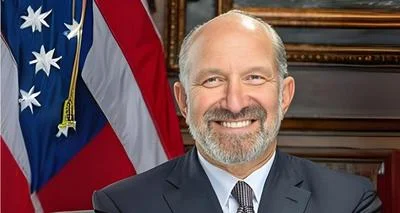
Under Secretary of Education Nicholas Kent stated, “After more than 15 years of regulatory uncertainty under the previous three Administrations, we’ve developed an accountability framework that institutions can work with, students will benefit from, and taxpayers can rightfully expect to improve outcomes. We deeply appreciate the AHEAD Committee negotiators and their efforts to break the cycle of student debt and poor return on investment for students and end the regulatory whiplash that has occurred for far too long. We look forward to holding all programs – across all postsecondary institutions – accountable.”
The agreed-upon proposal aligns the Act’s “Do Not Harm” standard with existing Financial Value Transparency and Gainful Employment regulations by using earnings thresholds across all program types. If an institution fails these thresholds for two out of three years, it will lose access to Direct Loan funds; if half or more of its Title IV recipients or funds are linked to failing programs, those programs will also lose Pell Grant eligibility.
Negotiators also decided to eliminate the Gainful Employment “debt-to-earnings” measure because it overlapped with new earnings metrics while creating additional burdens.
Section 492 of the Higher Education Act requires public comment before proposed regulations are published regarding Title IV programs. After President Trump signed the Act into law in July—introducing changes such as simplifying federal student loan repayment systems and establishing Workforce Pell Grants—the Department created the AHEAD Committee in July 2025 to develop proposed regulations through a negotiated rulemaking process.
For further details about this process, information is available at https://www2.ed.gov/policy/highered/reg/hearulemaking/2025/index.html.