U.S. Senator Susan Collins, Chair of the Senate Appropriations Committee, addressed the Senate ahead of a key vote on a bipartisan three-bill funding package for Fiscal Year 2026. The package includes appropriations for Commerce, Justice, Science and Related Agencies; Energy and Water Development; and Interior, Environment, and Related Agencies. After her remarks, the Senate voted 80-13 to move forward with consideration of the bill.
Collins emphasized that the package was the result of months of bipartisan negotiations and had already passed the House by a significant margin. “Mr. President, I anticipate that this evening, the Senate will take advantage of the opportunity to begin consideration of a carefully negotiated, fiscally responsible, bipartisan and bicameral package of Fiscal Year 2026 appropriations bills that are vital to the safety, security, and economic well-being of all Americans. This fiscally responsible package includes funding for the following three bills: the Commerce, Justice, Science and Related Agencies legislation; the Energy and Water Development bill; and the Interior, Environment, and Related Agencies appropriations. Among other things, it provides full year appropriations for the Department of Justice, the Department of Commerce, the Department of Energy, and the Department of the Interior. It also funds the National Science Foundation—a priority of mine—and the EPA.”
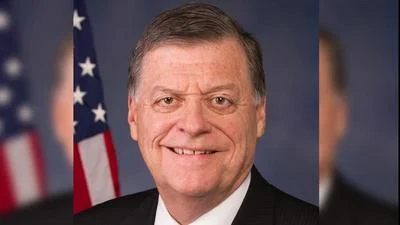
She noted contributions from House Chairman Tom Cole and Ranking Member Rosa DeLauro as well as Vice Chair Senator Patty Murray. Collins acknowledged staff efforts during negotiations and collaboration with the Administration in support of passing this funding package.
“Mr. President, let me explain to our colleagues...that this package did not come together overnight. It is the result of months of work...and last week passed the House by an overwhelming vote,” Collins said.
The proposed legislation aims to reduce discretionary spending while focusing on priorities such as economic development through trade relationships and law enforcement support at state and local levels via programs like Byrne formula grants. The bill also supports research through agencies including NASA and invests in science education via restored National Science Foundation funding.
Regarding environmental measures within the Interior bill, Collins highlighted resources for public land management, clean air initiatives, water infrastructure improvements, federal firefighter support for wildfire response efforts, tribal program funding across states, as well as measures to combat pests like Spruce Budworm affecting Maine.
On energy policy provisions in the Energy and Water Development bill, she cited plans to improve water infrastructure projects nationwide while promoting American energy independence. The legislation also seeks to bolster nuclear deterrence readiness.
Collins pointed out that nearly every senator contributed requests shaping these bills—both programmatic priorities informed by their states’ needs or specific community development project proposals—making it “a member-driven product.”
If enacted into law alongside three previously approved bills covering Agriculture; Military Construction & Veterans Affairs; Legislative Branch operations—this latest mini-package would bring to six out of twelve annual FY2026 appropriations bills signed so far.
Looking ahead at legislative progress for remaining FY2026 funding measures—including National Security/State Department-related programs—Collins reiterated intentions to complete all appropriations this month if cooperation continues.
“I want to thank all members...and again our extraordinary staff...And I want to express my appreciation to Majority Leader Thune...He promised that he would bring appropriations bills to the Senate floor...Again I urge my colleagues to support cloture on this motion,” she concluded.