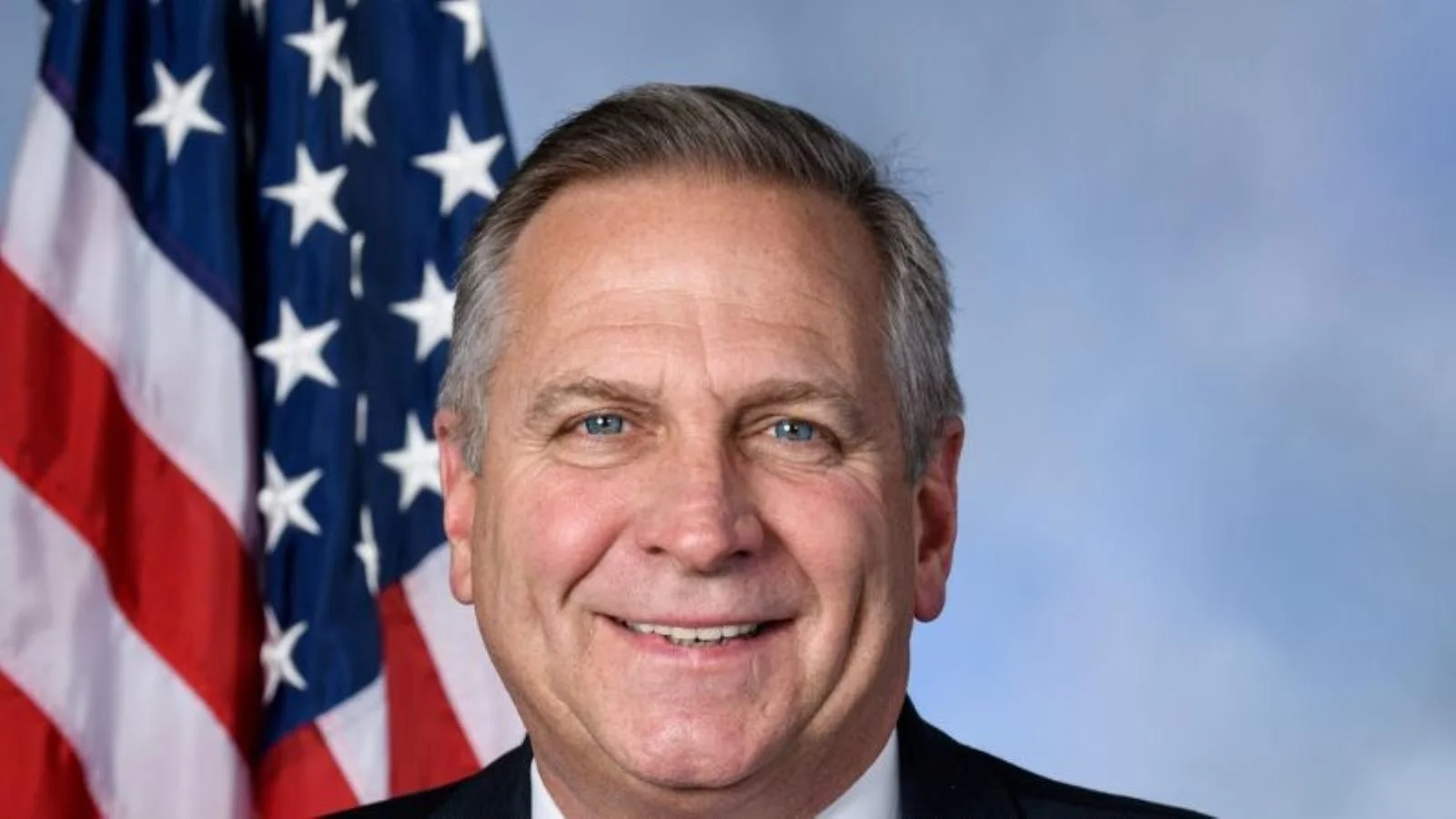
Rep. Mariannette Miller-Meeks (R-Iowa), Chairwoman of the House Committee on Veterans’ Affairs Subcommittee on Health, opened a legislative hearing to review several Republican-led bills aimed at expanding mental health care access and modernizing health services for veterans. The hearing addressed a range of proposals designed to improve health care delivery, particularly for those in rural or underserved areas.
Miller-Meeks outlined twelve bills under discussion, many focused on improving access to mental health care. She highlighted the RECOVER Act, introduced by Chairman Bost, which proposes a three-year pilot program for nonprofit outpatient mental health providers serving veterans at risk of discontinuing care. The act seeks to address barriers such as provider shortages and capacity constraints in rural regions by making these providers eligible for grant awards. Miller-Meeks said, "This bill would use existing resources more effectively, while working with providers to do more. I am thankful to Chairman Bost for his thoughtful legislation on this matter to bridge the gap in care."
The committee also discussed the Veterans Mental Health and Addiction Therapy Quality of Care Act from Representative Fallon, requiring an independent study into the quality and outcomes of both V.A. and non-V.A. treatment options for mental health and addiction. Miller-Meeks stated, "This bill would ensure that we continue to provide veterans with the best possible care to meet their needs. I am proud to support it."
Another proposal under review was the BEACON Act by General Bergman, directing research into chronic mild traumatic brain injury (mTBI) among veterans and supporting community-based rehabilitation efforts. According to Miller-Meeks, "Many veterans experience long-term and sometimes debilitating conditions because of mTBI... This bill would lay the groundwork for future decisions guided by evidence rather than assumptions."
Miller-Meeks introduced her own legislation, the Veterans Health Desert Reform Act of 2025, which aims to establish partnerships between V.A. and non-V.A. hospitals in areas lacking accessible veteran facilities so that veterans can receive local care comparable to community standards.
She noted challenges faced by veterans living in so-called “health deserts” without reasonable access to V.A. facilities: "In a health desert, basic care is difficult to maintain, and even the most routine care presents a significant burden for the veteran." Her proposed solution seeks to fill these geographic gaps.
The Clarity on Care Options Act from Ms. Kiggans was also discussed; it would require V.A. maintenance of a searchable directory listing providers who accept CHAMPVA coverage—a benefit program for dependents and survivors of veterans—helping families navigate their choices more easily.
Miller-Meeks acknowledged additional contributions from Representatives Mackenzie and Jackson regarding brain injury legislation and thanked Ms. King-Hinds for advocating on behalf of Freely Associated States veterans.
Several members were granted permission to participate in the hearing: Representatives Pat Fallon, Ryan Mackenzie, Greg Landsman, and Chris Deluzio.
"I now yield to Ranking Member Brownley for any opening remarks," concluded Miller-Meeks as she opened the floor for further discussion.