The Department of the Interior has announced that the Bureau of Indian Education (BIE) achieved its highest graduation rate to date. According to the department, graduation rates at BIE-funded high schools rose from 51% in 2015 to 79% in 2025. This increase comes at a time when national student outcomes have generally declined following the COVID-19 pandemic.
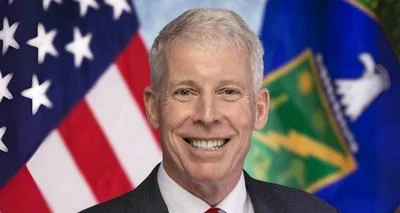
“These historic graduation gains reflect President Trump’s commitment to accountability, workforce readiness and ensuring American Indian and Alaska Native students have access to high-quality educational opportunities,” said Assistant Secretary of Indian Affairs Billy Kirkland. “Under this administration, the Bureau of Indian Education strengthens instruction, uses data to drive decisions, and keeps student success at the center of every reform effort.”
The BIE provides educational services and funding for more than 400,000 American Indian and Alaska Native students across the United States. Its programs cover early childhood through post-secondary education.
“This historic achievement reflects disciplined execution, strong instructional leadership and an unwavering focus on student outcomes,” said Bureau of Indian Education Director Tony L. Dearman. “We established clear expectations, strengthened accountability and equipped schools with the tools they need to support every student through graduation and into college or the workforce.”
In addition to higher graduation rates, BIE students have seen a 9% rise in math proficiency and a 10% rise in English language arts proficiency since 2016.
These results are attributed to system-wide reforms within BIE. The bureau updated its data systems, introduced technology-driven resources such as pacing guides and real-time dashboards, and implemented Professional Learning Communities for ongoing educator improvement. Schools now use these tools for consistent instruction and early identification of student needs.
Professional development for educators has also been expanded, focusing on data literacy and structured decision-making along with ongoing coaching. Oversight measures such as improved performance reporting and updated school report cards have increased transparency with tribes and families.
The Department of the Interior states that these achievements align with its goals of preparing Native students for higher education, careers, and community leadership roles. The bureau plans to continue building on these improvements by maintaining strong instructional practices, transparent reporting, and collaboration with tribal communities.