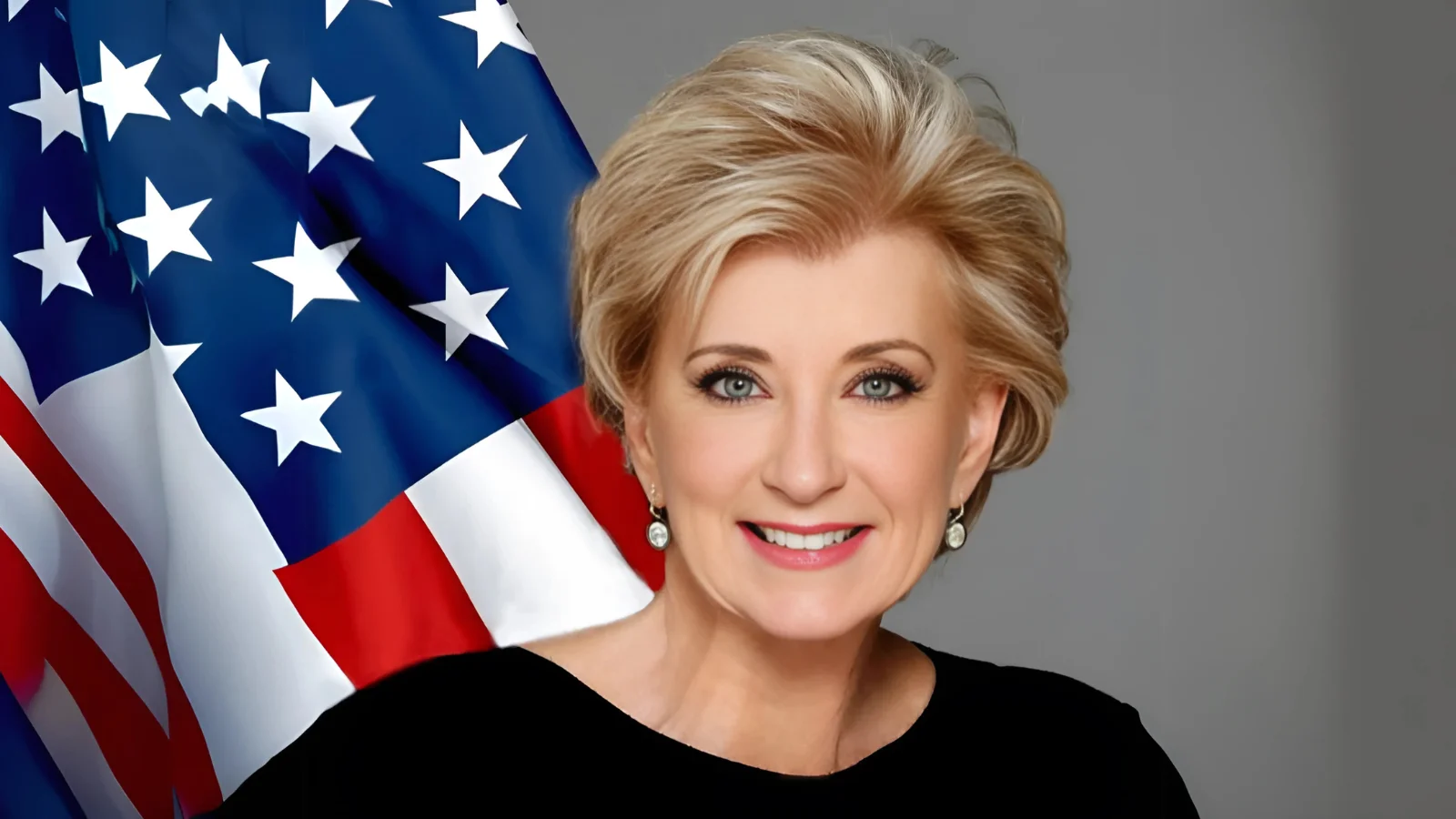
U.S. Secretary of Education Linda McMahon visited Jack Britt High School in Fayetteville, North Carolina as part of the Department of Education’s national History Rocks! Trail to Independence tour. The event is one stop on a nationwide initiative designed to promote civic literacy among students ahead of America’s 250th anniversary.
More than 500 high school students participated in interactive activities focused on American history and civics, highlighting North Carolina's contributions to the nation's independence. Principal Queesha Tillman and Cumberland County Schools Superintendent Eric C. Bracy opened the event before remarks from Secretary McMahon.
“Having grown up in North Carolina, I know firsthand the state’s pivotal role in our nation’s history. From being the first colony to call for independence in the 18th century to the birthplace of flight in the 20th, North Carolina’s rich legacy will be carried forward by the next generation of Tar Heels,” said U.S. Secretary of Education Linda McMahon. “As we celebrate 250 years of the United States, History Rocks! invites students to engage with American civics and the principles of our founding—and to envision the role they can play in shaping our nation’s future.”
The History Rocks! initiative is part of broader America 250 celebrations coordinated by the U.S. Department of Education with partners including America First Policy Institute, Turning Point USA, Hillsdale College, and other organizations. The coalition works to advance civic education and provide opportunities for students across the country to learn about key ideas and events that have shaped American society.
As part of this campaign, Secretary McMahon and other officials plan visits to schools in all 50 states, featuring hands-on learning experiences intended to connect students with foundational American values and encourage dialogue on strengthening civic education.
Freedom 250 is responsible for leading presidential programming for America's semiquincentennial celebration, focusing on uniting Americans around shared historical themes and promoting civic engagement for future generations.