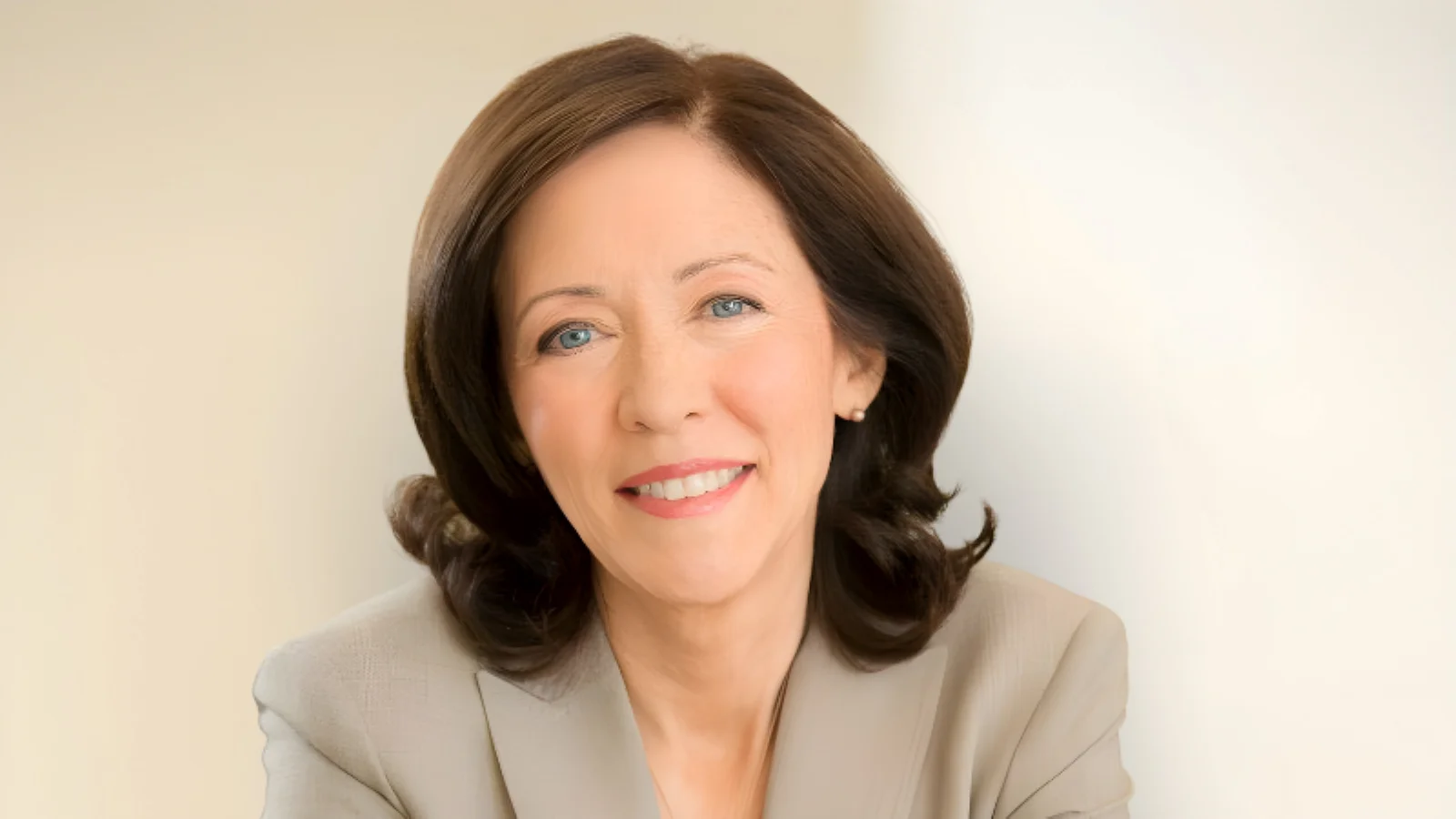
U.S. Senator Maria Cantwell, Ranking Member of the Senate Commerce, Science, and Transportation Committee, led a hearing on children's screen time in Washington, D.C., focusing on the risks artificial intelligence (AI) poses to children. The session featured testimony from Dr. Jenny Radesky of the University of Michigan Medical School, Dr. Jean Twenge from San Diego State University, Dr. Jared Cooney Horvath of LME Global, and Emily Cherkin, author and founder of The Screentime Consultant.
Cantwell stated: “We need meaningful safeguards on AI to address the harms they cause. That is why we cannot tell states to stand down from protecting their kids, especially when we need Congress to put standards in place. Over the last decade, Congress has failed to act on social media becoming more pervasive to harm kids. We cannot make the same mistake now that AI is becoming more pervasive. We need to address online and AI harms before it's too late, particularly for kids.”
Experts at the hearing agreed that Congress should act quickly to protect children from AI-related dangers—especially those posed by AI companion apps that interact with young users who may form emotional attachments.
Dr. Twenge said: “We don't, of course, have as much research on AI because it is so new. But as a parent and as a researcher, I'm even more concerned about the AI companion apps than I am about social media. It is terrifying to think that our kids are having their first relationships with these psychophantic chatbots. How is that going to translate to real human relationships?”
Dr. Radesky added: “Yes, we need regulations... My biggest concern is attachment and relationships. Kids are wired to want to attach to other humans. It's how they learn their sense of self, what a healthy relationship feels like. And the AI companions are exploiting this.”
The committee heard concerns that children increasingly believe AI chatbots embedded in toys can think or feel emotions like humans do.
Earlier in the day, Cantwell joined Senator Amy Klobuchar in sending a letter urging the Consumer Product Safety Commission to examine safety issues around integrating AI into children's toys.
In response to questions about state-level action on this issue, Dr. Radesky described Michigan's recently introduced bill restricting use of companion chatbots with potential links to self-harm or illegal activities: “[M]ichigan just introduced a companion chatbot bill that is restricting the use of companion chatbots that have the potential to encourage self-harm, suicidality, violence, drugs, alcohol or eating disorders,” she said.“They're restricting AI chatbots from providing mental health therapy,suggesting illegal activities...producing CSAM [Child Sexual Abuse Material], engaging in erotic or sexual interactions with youth -- which is a big engagement way that chatbots have been tryingto get more users.And limits on optimizing for engagement.And I think it's importantthat states be ableto passAI bills.”
Cantwell concluded: “I think we needto be very loudand clearthat the federal government needs todo somethingonAI.That you hereare telling us the problemwith social media,but you're basically sayingAIis way worse.So it's time totake action.”
Senator Cantwell has consistently opposed efforts within Congress for a national moratorium on state laws addressing consumer and child protection regarding AI technologies.In July,she led efforts againsta proposed ten-year banon state-levelAIlaws,a provision removedby near-unanimous Senate vote.Additional events throughout June included public statements by Cantwell’s office opposing restrictions tiedtothe Broadband Equity Access Deployment programand further callsfor Congressional action.
The Senate Commerce, Science,and Transportation Committee operates as oneof several standing committeesin the U.S.Senate.Its members reviewand advance policyrelatedtocommerce science,and transportation—including issueslikechild safetyin digital environments—through hearings such asthis one.The committeeworksacross party linesduring each congressionalsessionto oversee relevant legislation accordingtothe official website.Its main officesare locatedinthe Russell Senate Office BuildinginWashington,D.C.