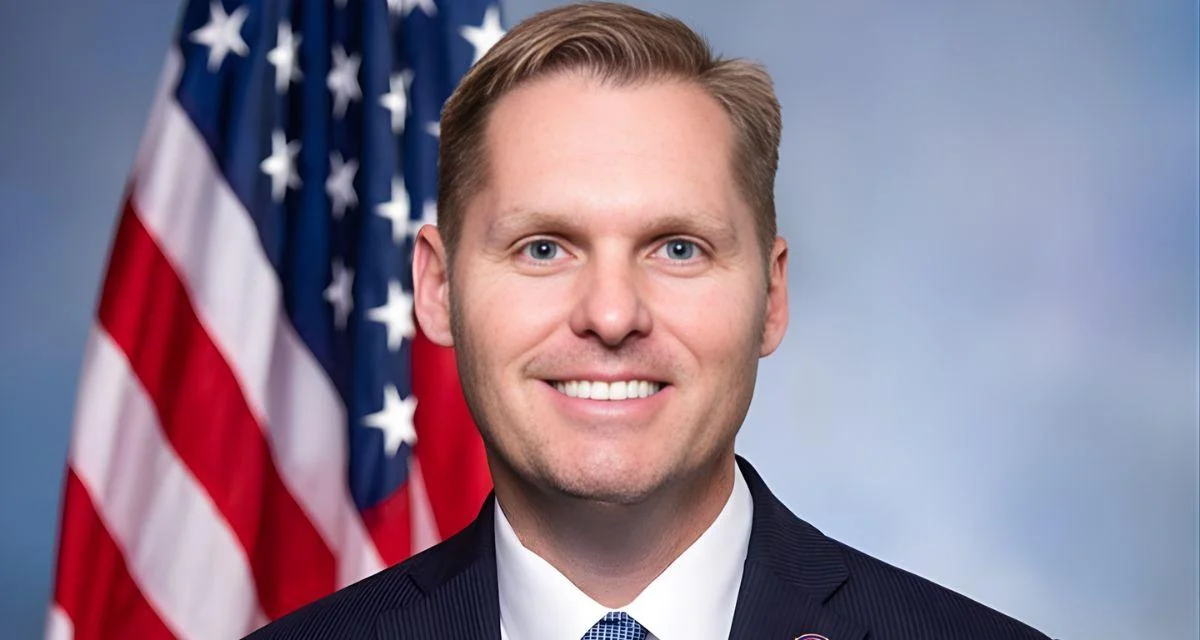
Subcommittee on Border Security and Enforcement Chairman Michael Guest (R-MS) delivered an opening statement at a hearing focused on U.S. Customs and Border Protection’s (CBP) use of non-intrusive inspection (NII) technology. The session examined how this technology assists in identifying narcotics, concealed currency, contraband, and individuals attempting to cross the border illegally.
Chairman Guest explained that CBP uses NII equipment to find hidden items such as drugs, weapons, or people within vehicles and cargo. He noted the increasing sophistication of smuggling operations and stressed the importance of expanding the NII program to address these evolving threats.
“NII enables CBP to detect and interdict contraband while minimizing the impact to the flow of lawful trade and travel at our borders,” said Guest.
Under the “Securing America’s Ports Act of 2021,” CBP was directed to develop a plan for achieving a 100 percent high throughput NII scanning rate at land ports of entry by 2027. However, as of fiscal year 2024, only about eight percent of passenger vehicles and 27 percent of commercial vehicles were scanned using NII technology.
Guest attributed these low scan rates partly to poor planning and mismanagement during acquisition, installation, and deployment stages. Reports from both the Department of Homeland Security’s Office of Inspector General and the Government Accountability Office have raised concerns regarding program management.
“NII program leaders have assured oversight bodies that they have made changes to their structure, staffing, management, and standards to ensure scan rates reflect the amount of taxpayer dollars the program has received,” Guest stated.
Despite previous shortcomings in implementing NII technology, Guest emphasized its value for frontline officers at ports. He called for continued investment in this area: “This technology has a proven track record in facilitating CBP’s ability to detect and prevent smuggling into our country.”
With recent data showing record low illegal border crossings over the past year, Guest suggested that CBP now has an opportunity to allocate resources toward security measures like NII technology. He referenced significant funding provided through a recent budget reconciliation bill intended to improve NII capabilities at U.S. borders.
“With the appropriation of these additional funds Congress must provide additional oversight to ensure this investment in the NII program is wisely and efficiently allocated,” he said.
Guest expressed optimism that improvements in leadership within CBP’s NII program—combined with congressional oversight and advancements in industry—could help achieve full scanning targets set for future years.
He concluded by thanking witnesses who participated in the hearing: “I look forward to working with my colleagues to enhance and prioritize CBP’s non-intrusive inspection program.”