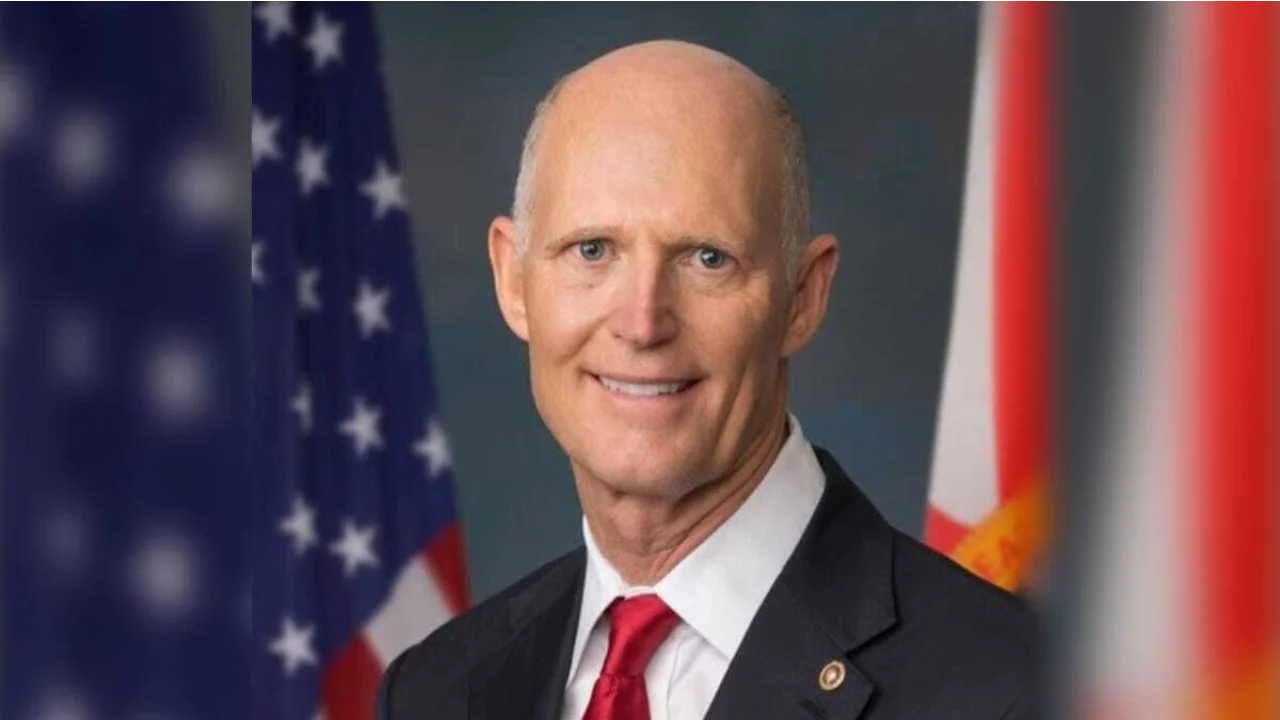
Chairman Rick Scott and Ranking Member Kirsten Gillibrand of the Senate Special Committee on Aging have sent a letter to Department of War Secretary Pete Hegseth, seeking information about efforts to secure the U.S. pharmaceutical supply chain for service members and veterans. The senators expressed concern about America’s dependence on foreign sources, particularly China and India, for key drug ingredients and generic medications that are vital for military readiness.
The letter follows previous actions by Chairman Scott to address vulnerabilities in the nation’s drug supply chain. These include earlier correspondence with Health and Human Services Secretary Robert F. Kennedy, Jr., pharmaceutical distributors, and group purchasing organizations, as well as committee hearings focused on drug safety and domestic manufacturing. The committee also released an investigative report highlighting overreliance on foreign-made generics.
In their letter, Scott and Gillibrand wrote: “The U.S. Senate Special Committee on Aging is examining how vulnerable pharmaceutical supply chains present a risk to public health and national security. The Department is the primary agency responsible for the health, safety, and readiness of our service members. It plays an essential role in ensuring access to lifesaving medicines. Given this significant responsibility, we write to request information regarding efforts by the Department, including the Defense Health Agency and the Defense Logistics Agency, to identify and address existing supply chain vulnerabilities to bolster military readiness and national security.”
They noted that approximately 91 percent of prescriptions filled in the United States each year are generic drugs—a fact that underscores reliance not only among civilians but also active duty personnel, veterans, retirees, and their families.
The senators raised concerns about limited oversight over foreign manufacturing sites supplying these drugs or ingredients. They referenced recent Food and Drug Administration (FDA) exemptions allowing imports from factories under import bans due to substandard conditions—many located in China or India—which could introduce unsafe products into U.S. markets.
Scott and Gillibrand also pointed out risks related to global trade instability: “A recent trade dispute with China exemplifies this dynamic...China imposed a new set of export restrictions...demonstrating its willingness to use trade commodities as leverage against the U.S.” They warned that similar restrictions could affect pharmaceuticals critical for patient care if diplomatic tensions escalate.
To mitigate these risks, they urged prioritizing domestically sourced medications when possible: “As a direct purchaser of medications, the Department can bolster our pharmaceutical supply chain security by prioritizing acquisition of medications that are manufactured and source ingredients domestically.” They called for greater transparency through country-of-origin labeling so providers within TRICARE—and patients—know where medicines come from.
Specific questions posed included details about current inventory levels should Chinese exports stop; whether drugs exempted from FDA import bans are being purchased; plans for addressing potential shortages; sourcing practices compared with other military supplies; compliance with laws such as those preventing forced labor; implementation of new mapping requirements under defense legislation; among others.
“As chairman and ranking member of the U.S. Senate Special Committee on Aging,” they concluded,“the health and safety of Americans is our top priority. We must work to identify and address existing supply chain vulnerabilities…We appreciate your attention…and stand ready to work with the Department in securing the drug supply chain for generic essential medicines…”
The Senate Aging Committee addresses issues affecting older Americans—including Social Security, Medicare oversight, fraud prevention resources like hotlines—and maintains offices in both Dirksen (majority) and Hart (minority) Senate Office Buildings (source). Its jurisdiction covers all aging-related federal programs nationwide (source). Rick Scott serves as chair while Kirsten Gillibrand is ranking member (source).