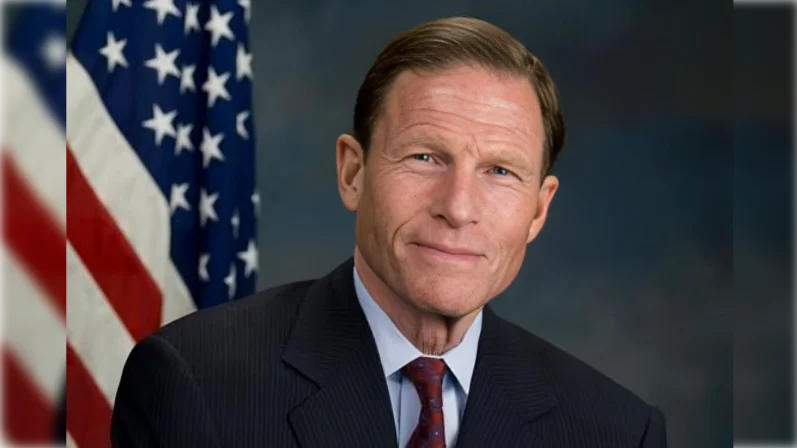
Senator Richard Blumenthal, the Ranking Member of the Senate Veterans’ Affairs Committee, has released a report outlining the effects of recent policies on veterans and Department of Veterans Affairs (VA) employees. The report, titled "Breaking the Pact: Impacts of Trump, DOGE, and Doug Collins’ Ongoing Assault on Veterans," was published ahead of an upcoming committee oversight hearing with VA Secretary Doug Collins.
The report documents significant staffing losses at the VA over the past year, leading to workforce shortages and longer wait times for mental health care. According to the findings, these changes have put veterans' care and benefits at risk. The report draws from media reports, firsthand accounts from veterans and VA staff nationwide, and ongoing discussions with those affected.
Blumenthal stated: “Instead of building on the progress of the Biden Administration and prioritizing veterans’ best interests, the Trump Administration has spent the last year recklessly implementing politically-motivated policies that place veterans’ care and benefits at greater risk than ever before. The costs of these policies are mounting. VA is hemorrhaging doctors, mental health professionals, nurses, and other frontline providers. Experienced staff are leaving in droves, while recruitment falters amid toxic working conditions and indiscriminate firings. The resulting harm to the quality and timeliness of care will be felt for years. And this growing damage helps explain why the Trump Administration has often refused to provide Congress with even the most basic information about their policies and their impact on veterans.”
He continued: “This report—grounded in testimony from veterans and VA employees—seeks to expose that cover-up and document the harm inflicted. The conclusion is unmistakable: Veterans are paying the price for this Administration’s self-inflicted sabotage, while dedicated VA employees are demoralized and exhausted by the incompetence and hostility of their leadership.”
Among its key findings, the report notes that more than 40,000 VA employees left during fiscal year 2025; 88 percent were health care workers such as doctors or nurses. This marks a historic net loss in staff for the agency. Physician departures alone mean an estimated 1.2 million veteran patients lost their provider since January 2025.
The loss includes 1,000 physicians, 1,500 schedulers, and 3,000 registered nurses within one year. Clinics have had to cancel appointments due to unfilled positions caused by staffing caps or rescinded applications linked to instability at VA facilities.
Mental health wait times have increased nationally; as of early January 2026 new patients waited over 35 days on average for appointments—well above eligibility thresholds for community care alternatives—and some states reported waits exceeding two months.
The report also highlights impacts beyond clinical services:
- Delays in research projects.
- Lower morale among remaining staff.
- Disruptions in processing benefits claims due to high turnover among claims processors.
- Cancellation or expiration of thousands of contracts supporting veteran services.
- Loss of collective bargaining rights for about 400,000 employees after union contracts were canceled.
- Reduced communication between VA leadership and Congress or advocacy groups.
Blumenthal’s release points out that transparency has declined under current leadership; briefings have been reduced or canceled altogether on topics such as caregiver support programs.
The Senate Veterans' Affairs Committee is responsible for overseeing programs related to veterans' benefits and health care across the United States [source]. Established in 1970 [source], it collaborates with organizations like Veterans Service Organizations (VSOs) [source] as well as federal agencies including the Department of Veterans Affairs [source]. Over time it has advanced legislation such as expansions in education benefits after World War II [source] through efforts like passage of landmark bills including recent measures addressing toxic exposure [source].
A full copy of Senator Blumenthal's report is available online.